VLT, metro, or a short ride from Lapa
Copacabana to Leme
Praia de Copacabana e Leme to Forte Duque de Caxias
Metro to the orla, then walk the promenade. Keep the daytime beach and forts separate from late music — use metro or a registered ride after shows.
Planning
- Best time
- Daytime for the beach and forts; keep late music as a separate outing
- Who it is for
- Guests who want the orla and will ride metro from Lapa
- How to go
- VLT, metro, or a short ride from Lapa
Walking time is movement only. The hour range includes visits.
Open this itinerary in Google Maps
Loading map
Stops
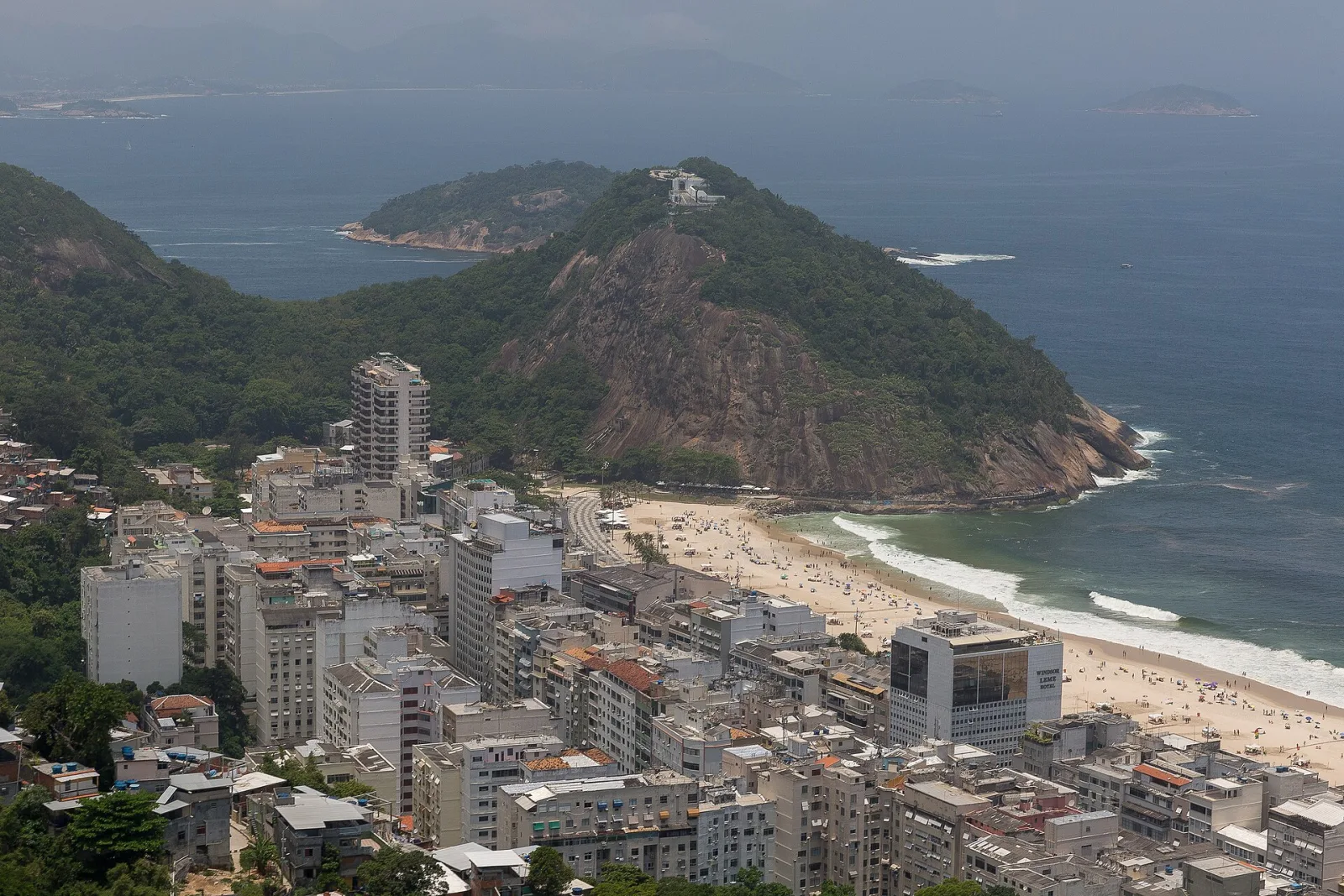
Praia de Copacabana e Leme
Praia de Copacabana e Leme is one continuous arc of sand facing the South Atlantic, framed by Avenida Atlântica and counted among the most famous beaches in the world.
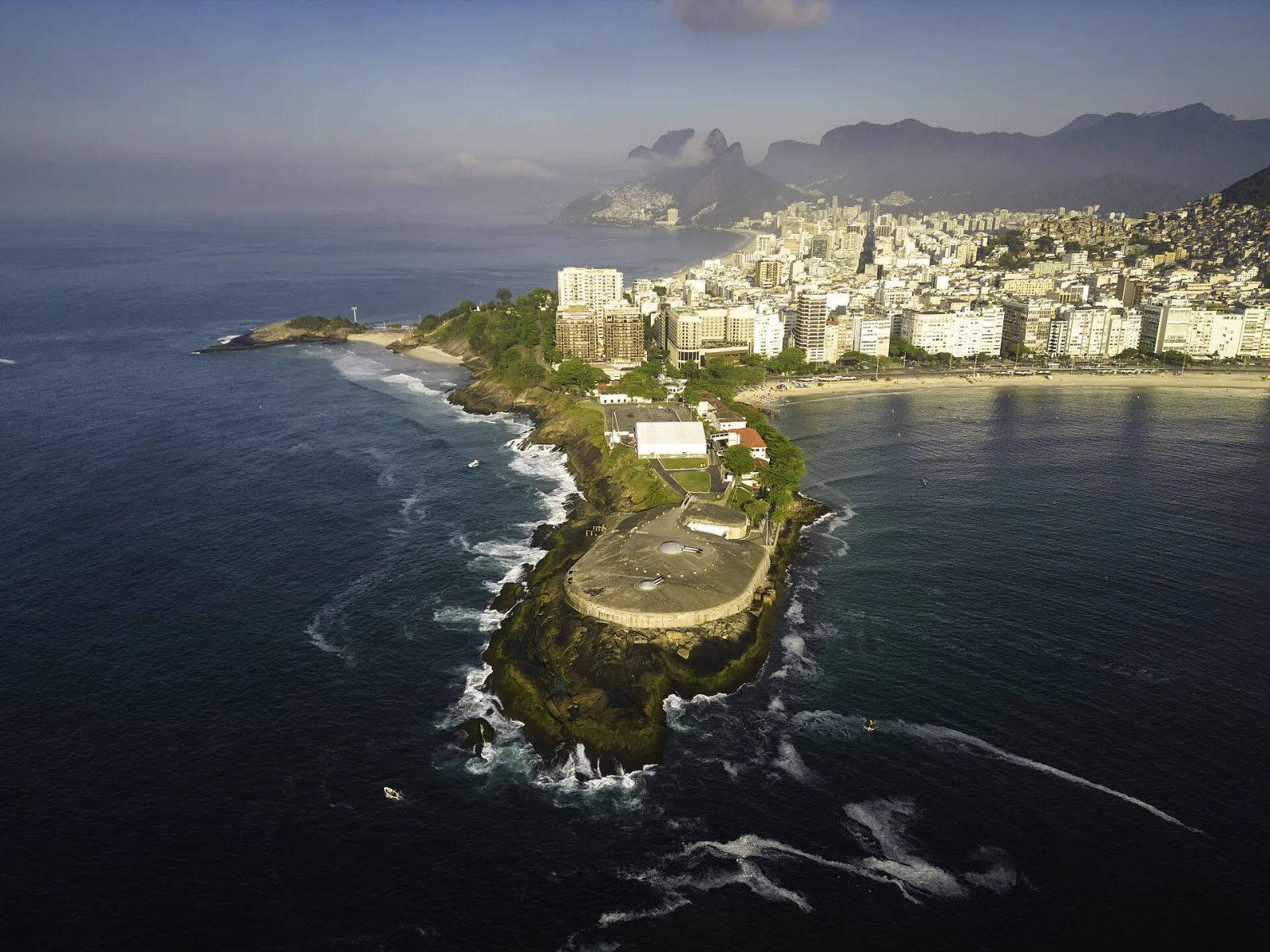
Forte de Copacabana
Fort Copacabana sits at the southern tip of the beach, open to the public as the Army Historical Museum alongside the working coastal defense fort itself.
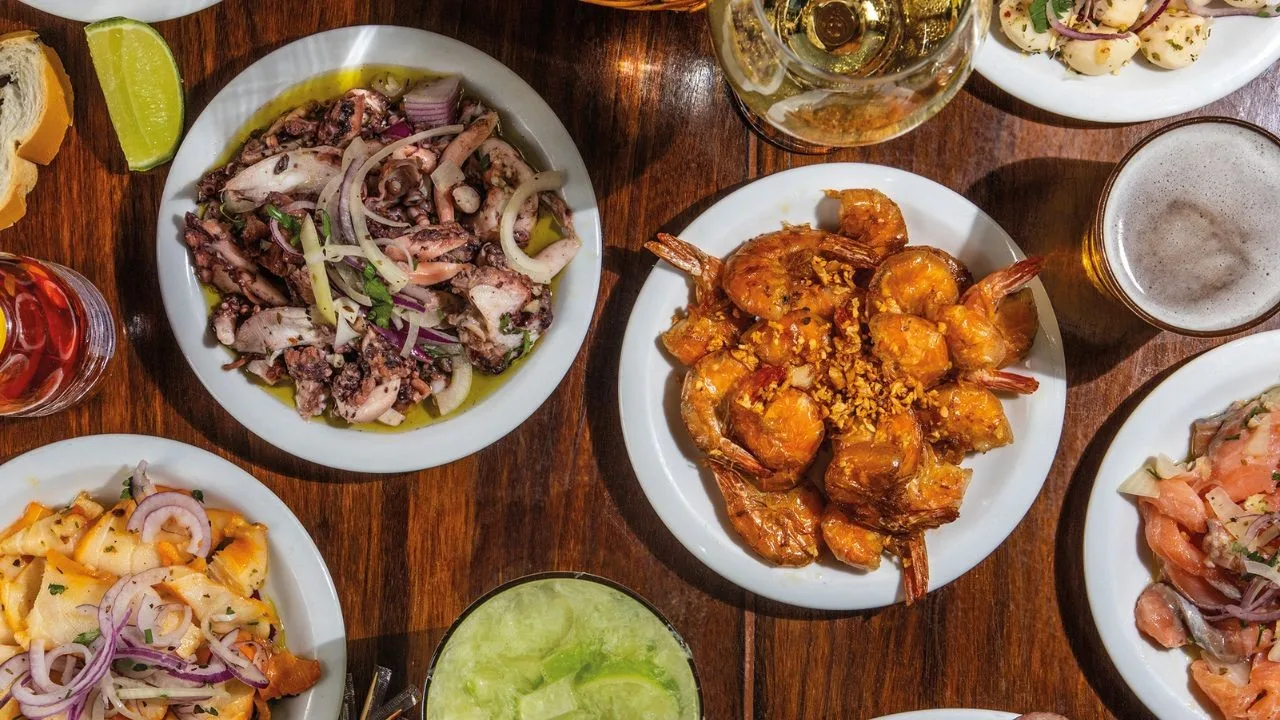
Adega Pérola
Adega Pérola is in Copacabana, a transit ride from the studio.
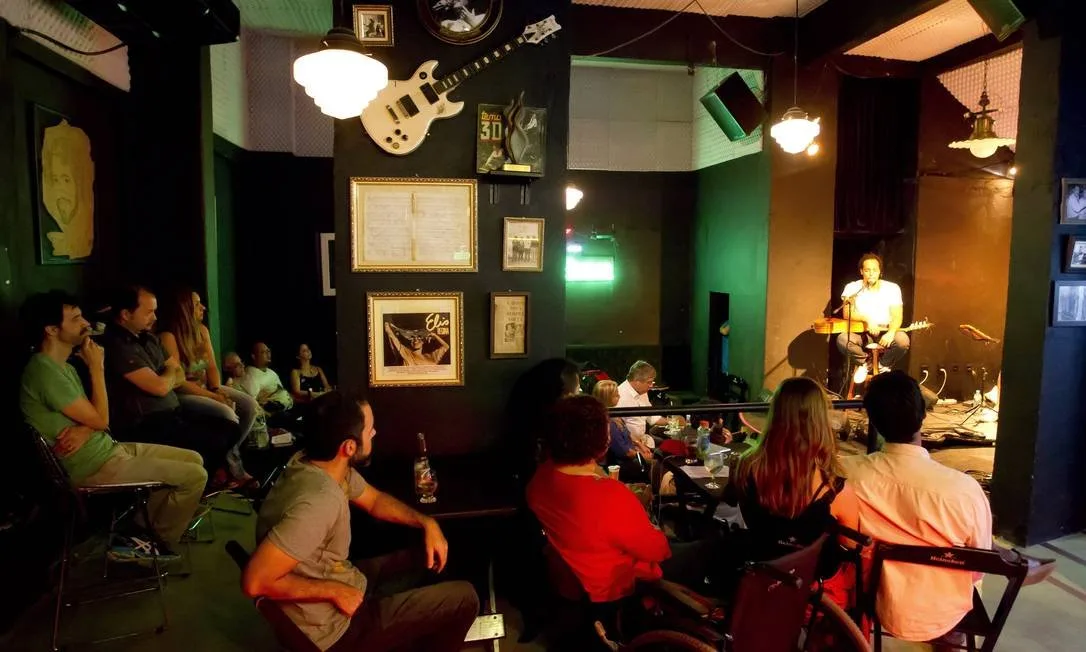
Beco das Garrafas
Beco das Garrafas is a dead-end alley off Rua Duvivier in Copacabana that, through the 1950s and 60s, held a cluster of nightclubs and bars where bossa nova took shape.
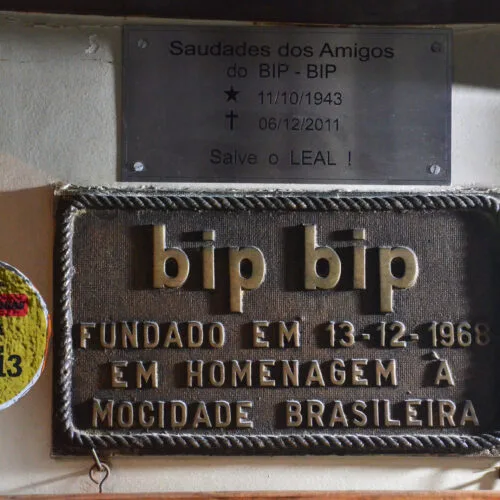
Bip Bip
Bip Bip is in Copacabana, a transit ride from the studio.

Churrascaria Palace
Churrascaria Palace is in Copacabana, a transit ride from the studio.
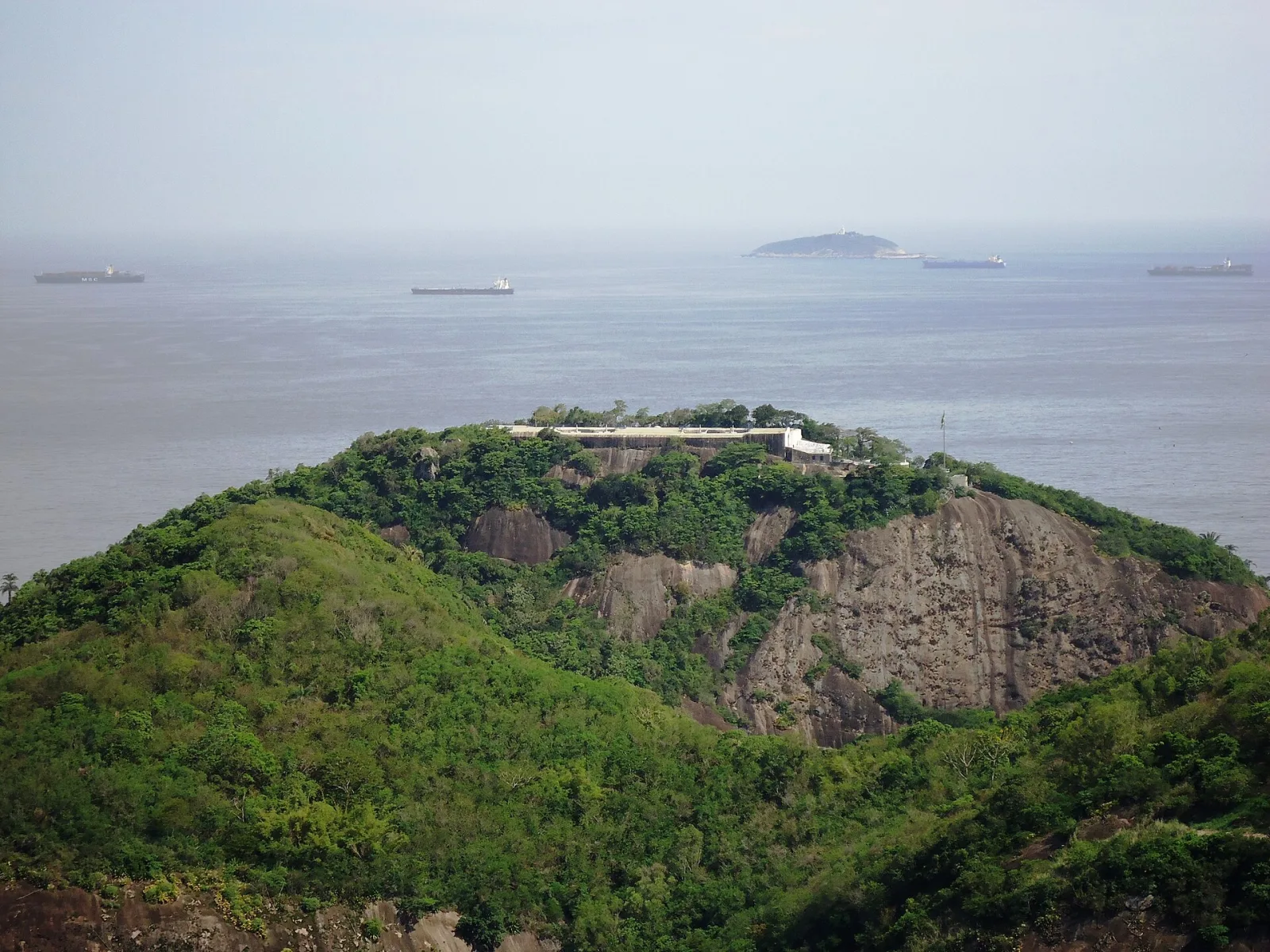
Forte Duque de Caxias
Forte Duque de Caxias sits atop Morro do Leme, a coastal fort previously known as Forte da Vigia, Forte da Espia, and Forte do Leme.
Elevation
60 m ascent · 4–30 m
About the neighborhood
Copacabana’s orla is the city’s famous beach promenade, with Portuguese-stone waves redesigned by Roberto Burle Marx in the 1970s. The forts at each end — Copacabana (1914) and Duque de Caxias at Leme — bookend the walk.
Beco das Garrafas, a few blocks inland, is tied to early bossa nova. Keep daytime beach and forts separate from late music, and return by metro or a registered ride after shows.
Historical notes
- Forte de Copacabana was inaugurated in 1914 and now houses the Army Historical Museum. Source: Riotur
- Roberto Burle Marx redesigned Copacabana’s Portuguese-stone promenade in the 1970s, with the large wave pattern still in use. Source: Wikipedia
- Beco das Garrafas, off Rua Duvivier, is associated with the early bossa nova scene of the 1950s and 1960s. Source: Wikipedia