VLT, metro, or a short ride from Lapa
Botafogo to Urca
Casa da Ciência da UFRJ to Bar Urca
A deliberate south-zone branch. VLT does not serve this corridor — use metro to Botafogo, then bus or a registered ride toward Urca.
Planning
- Best time
- Morning or early afternoon, to leave time for the cable car queue
- Who it is for
- A planned south-zone half day, not a last-minute hop from Lapa
- How to go
- VLT, metro, or a short ride from Lapa
Walking time is movement only. The hour range includes visits.
Open this itinerary in Google Maps
Loading map
Stops

Casa da Ciência da UFRJ
Casa da Ciência is a science-outreach unit of the Federal University of Rio de Janeiro, on Rua Lauro Müller in Botafogo.
Acaso Cultural
Acaso Cultural is in Botafogo, a transit ride from the studio.
Quartinho
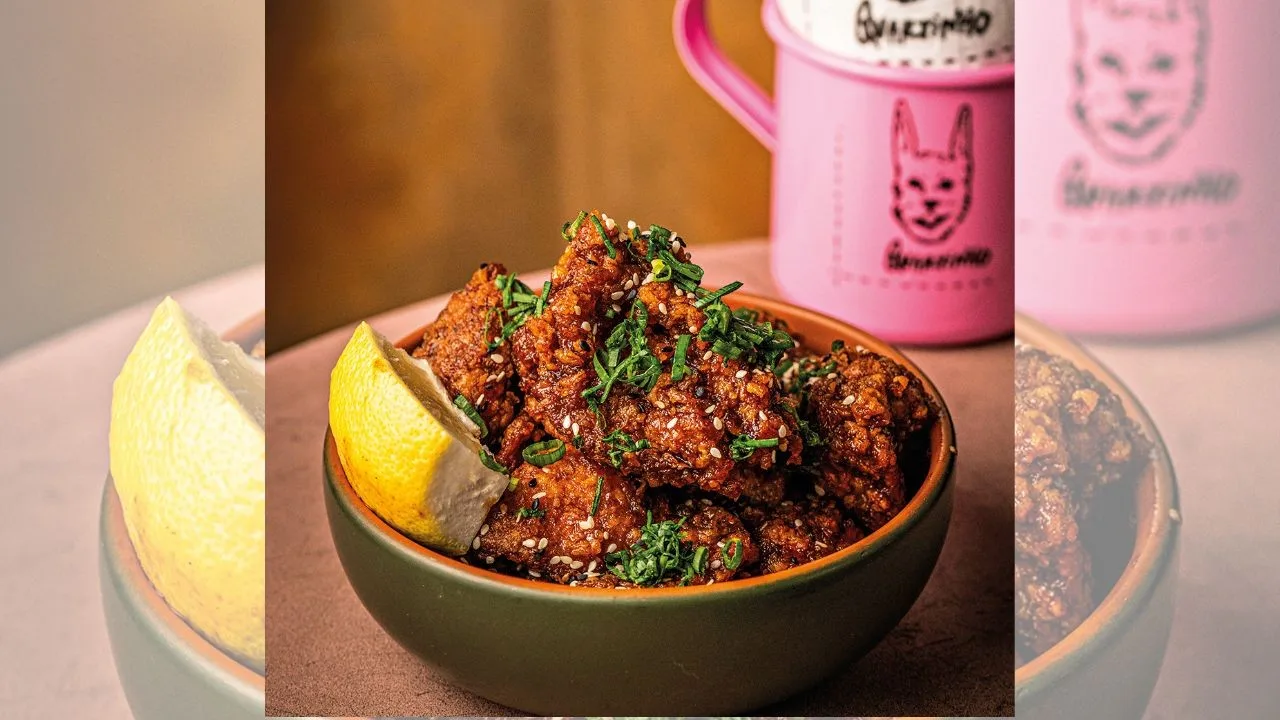
Quartinho is in Botafogo, a transit ride from the studio.
Oteque
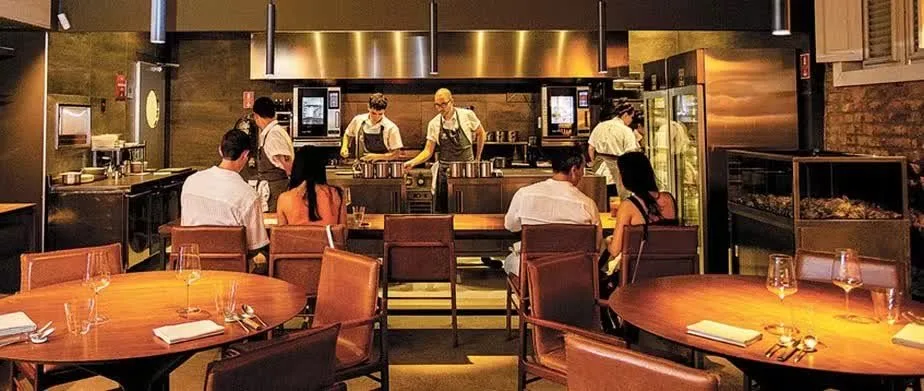
Oteque is in Botafogo, a transit ride from the studio.
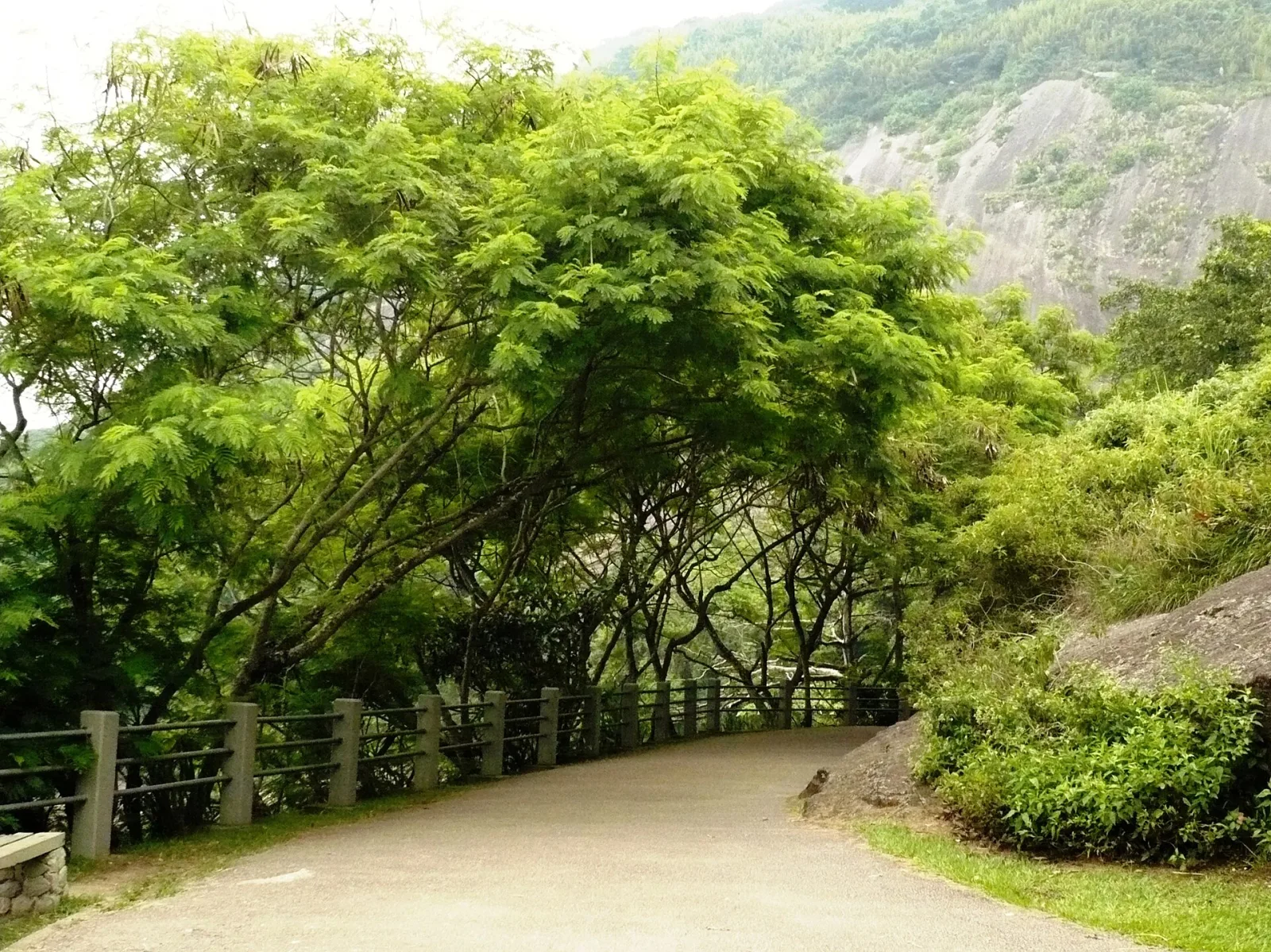
Pista Cláudio Coutinho
The Pista Cláudio Coutinho is a 1.25-kilometer paved trail beneath Sugarloaf Mountain in Urca, named for the former Brazilian national football team coach.
Parque Bondinho Pão de Açúcar
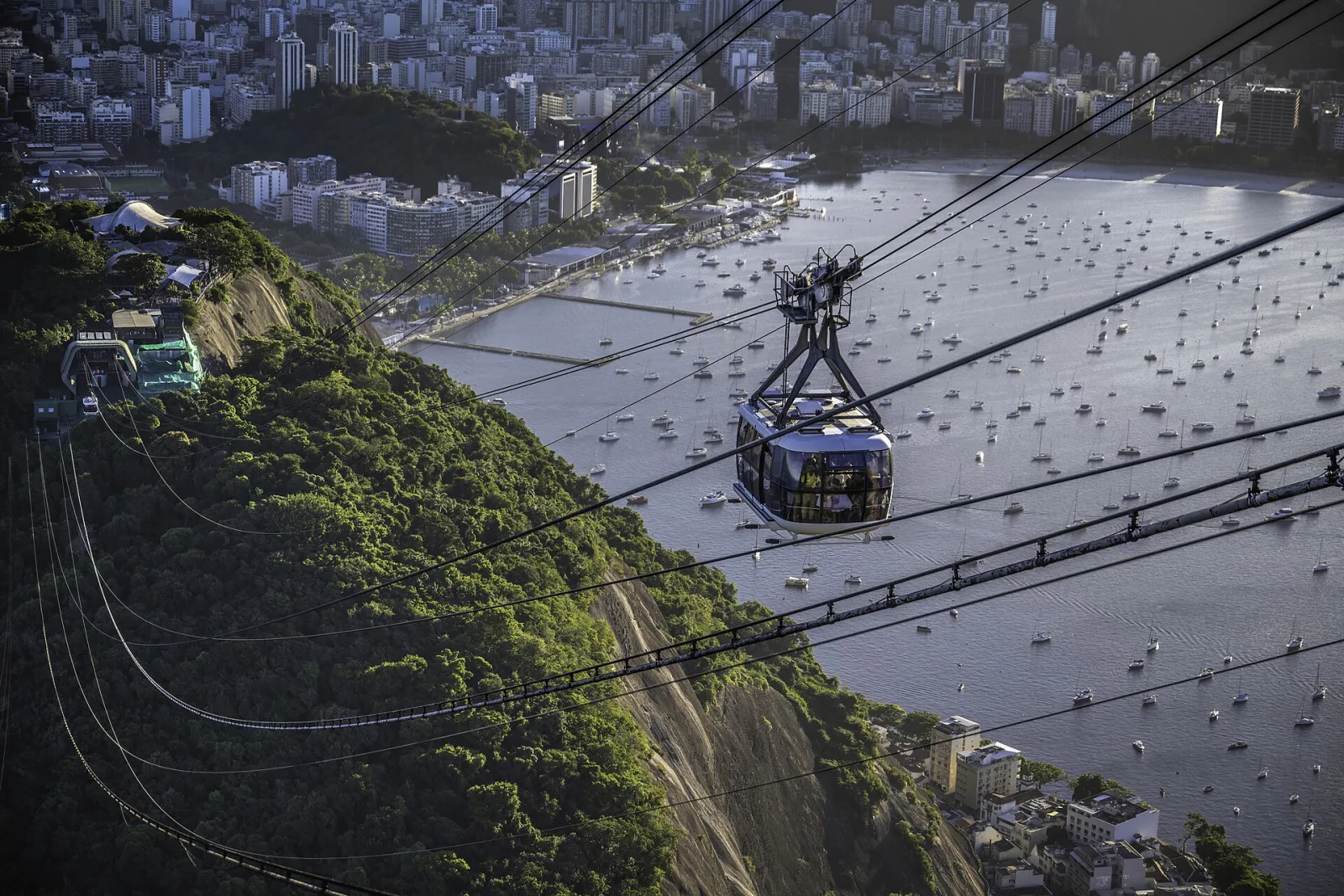
The Sugarloaf cable car has linked Praia Vermelha to Morro da Urca and the peak of Pão de Açúcar since its first stretch opened on October 27, 1912.
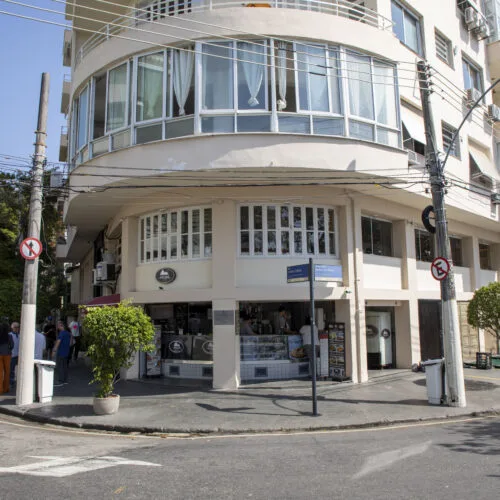
Bar Urca
Bar Urca is in Urca, a transit ride from the studio.
Elevation
14 m ascent · 3–13 m
About the neighborhood
Urca is a small peninsula under Sugarloaf. The cable car has run since 1912. The Cláudio Coutinho path follows the water at the foot of the hill.
Botafogo’s eating and music rooms sit before the last stretch to the rock. VLT does not serve this corridor; metro to Botafogo, then a bus or registered ride.
Historical notes
- The Sugarloaf cable car’s first span, between Praia Vermelha and Morro da Urca, opened on 27 October 1912. Source: Bondinho
- Pista Cláudio Coutinho is a paved coastal path at the base of Sugarloaf, used for walking and running. Source: Riotur
- Urca is a small peninsula neighborhood between Botafogo and Sugarloaf, with a military and residential history distinct from Copacabana’s orla. Source: Wikipedia