Stories
Researched essays on Lapa — aqueduct, bohemia, samba, the Municipal theatre, and carnival.
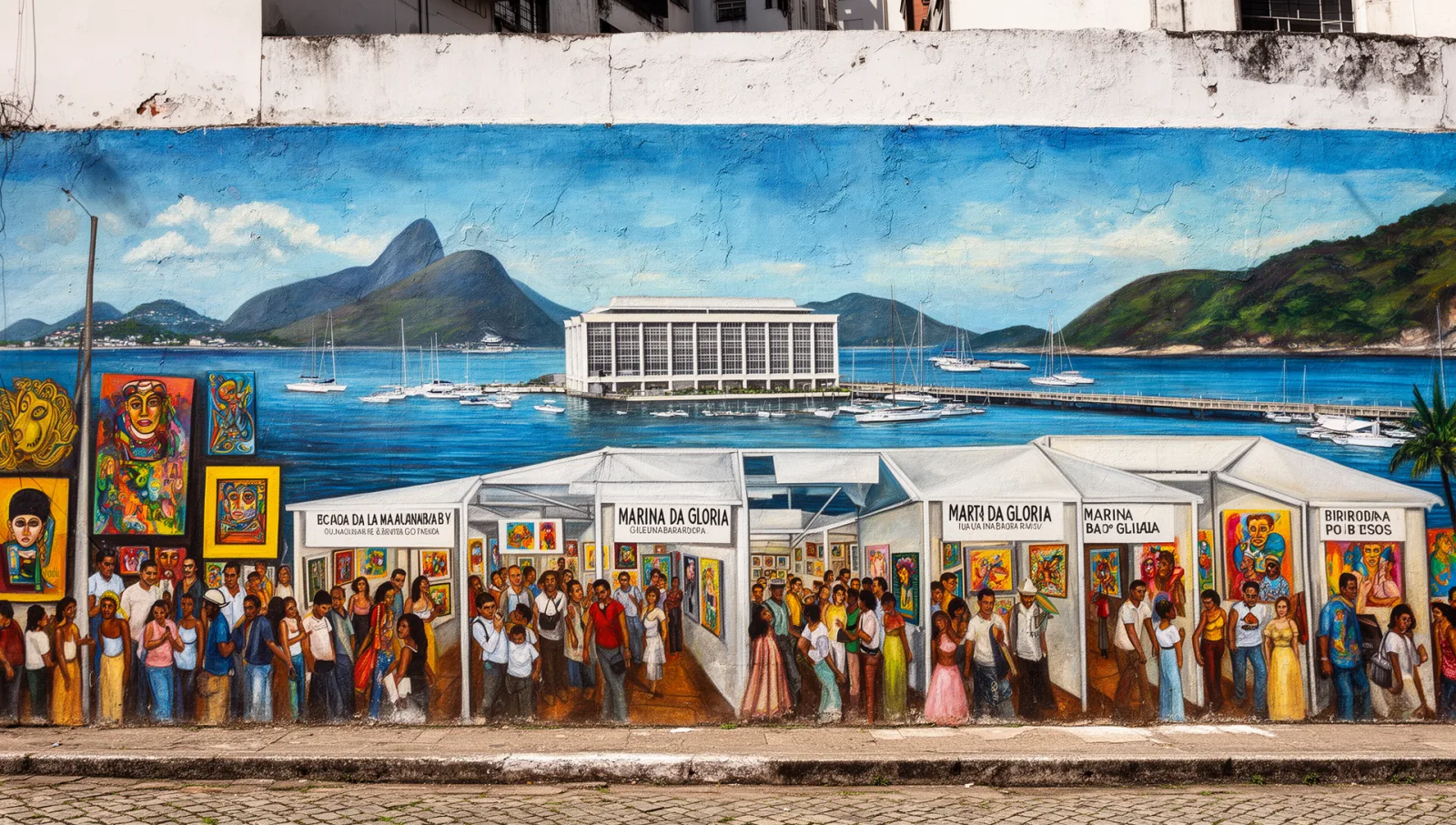
ArtRio
The international art fair occupies Marina da Glória from 16 to 20 September 2026, a bay outing from Lapa.
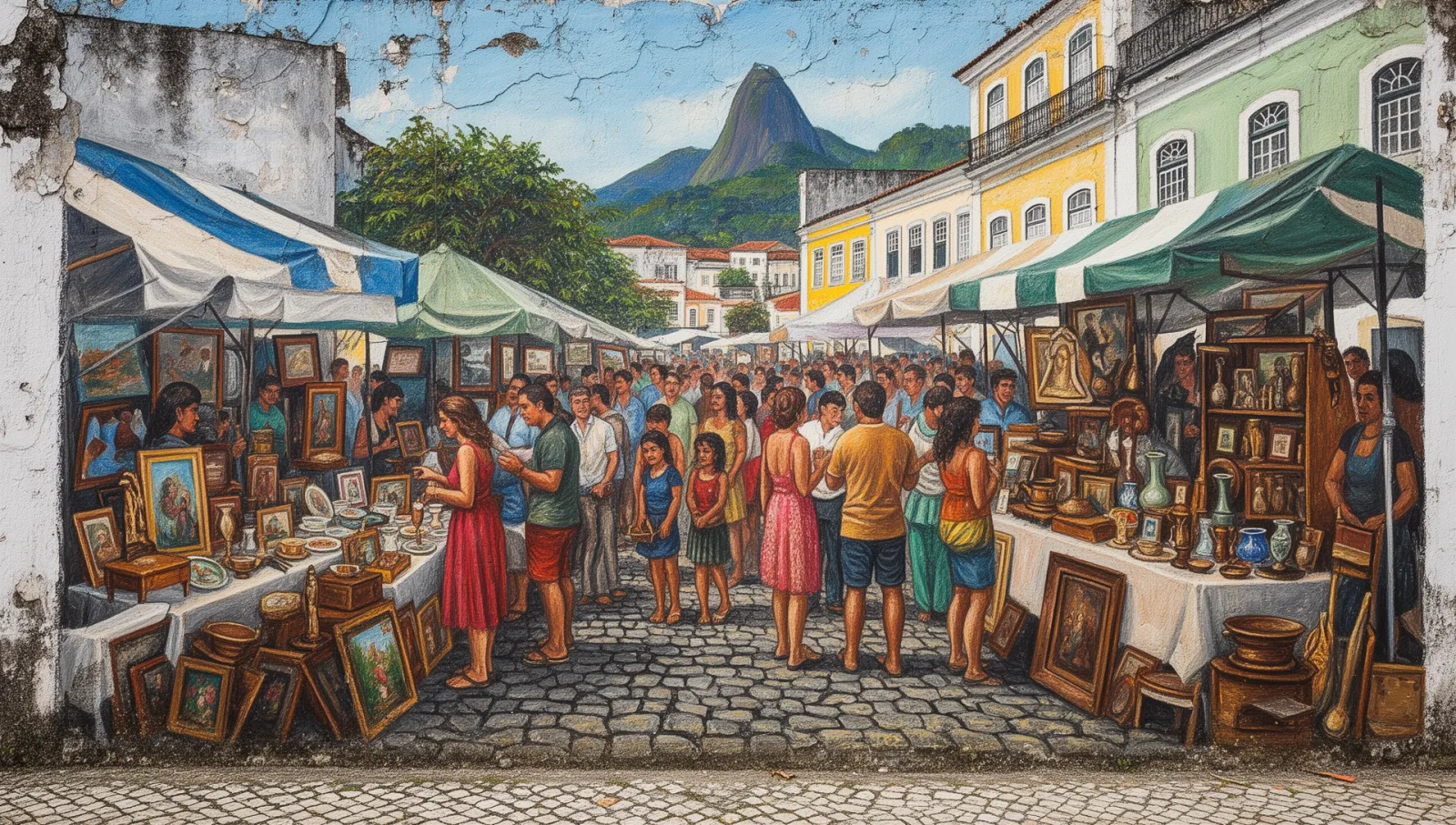
Feira do Rio Antigo
Saturday antiques on Lavradio in Lapa, on the west side of the arches.
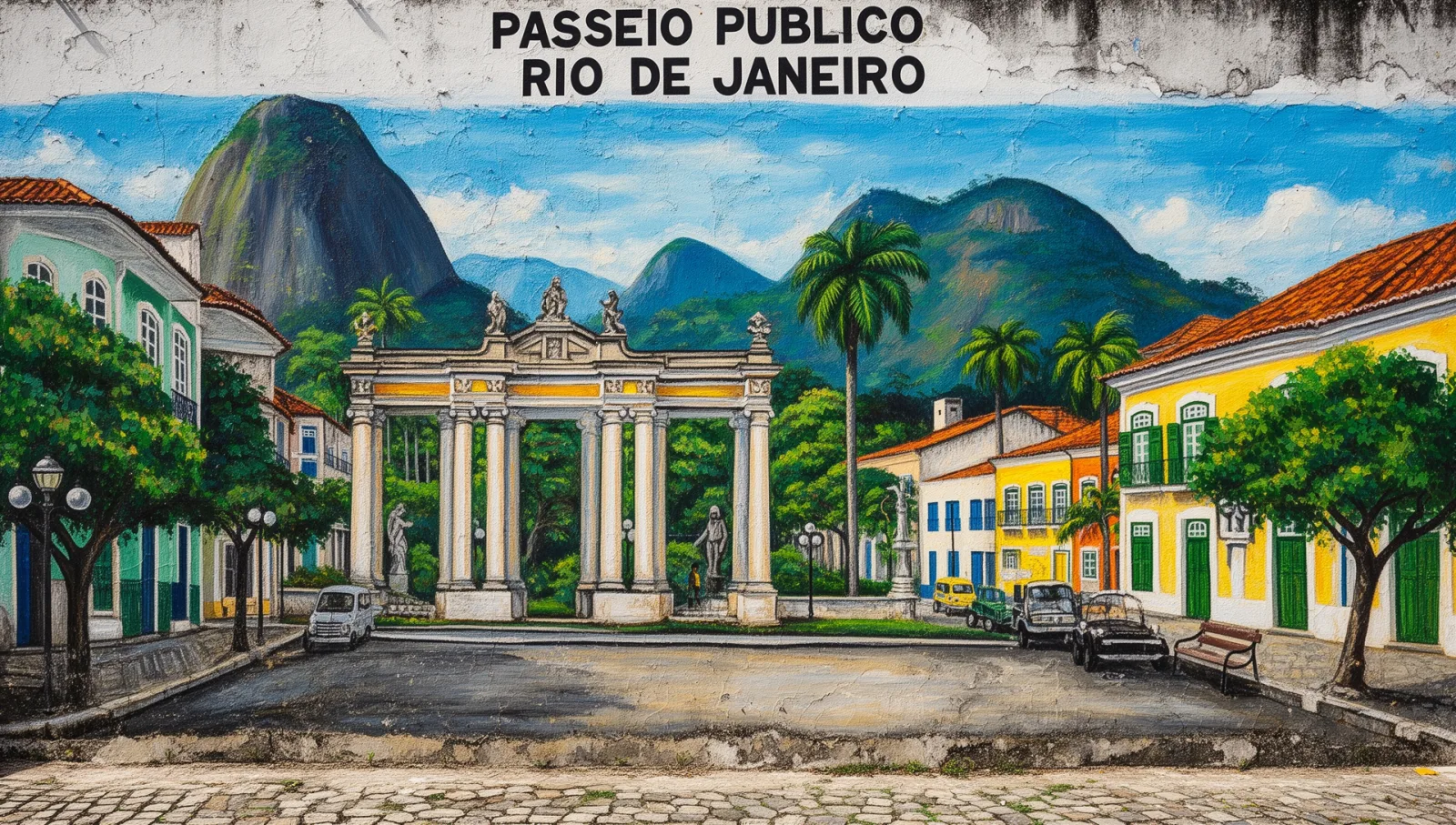
Passeio Público
Brazil’s oldest public park opened after 1779 in historic Centro, a green pause on the Lapa side of Cinelândia.
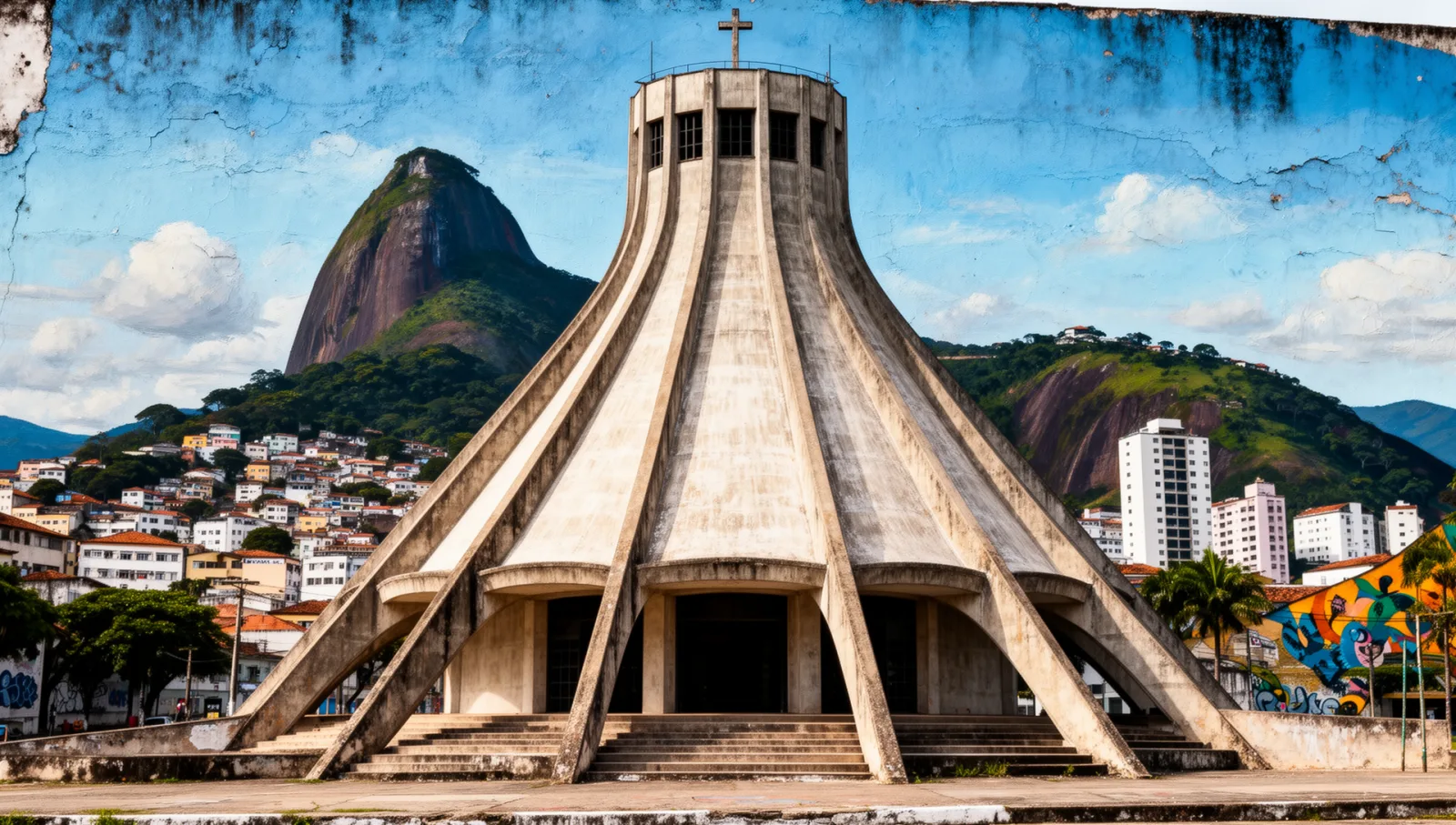
Metropolitan Cathedral of Saint Sebastian
The seat of the Archdiocese of Rio de Janeiro stands in Centro, dedicated to Saint Sebastian, the city’s patron.
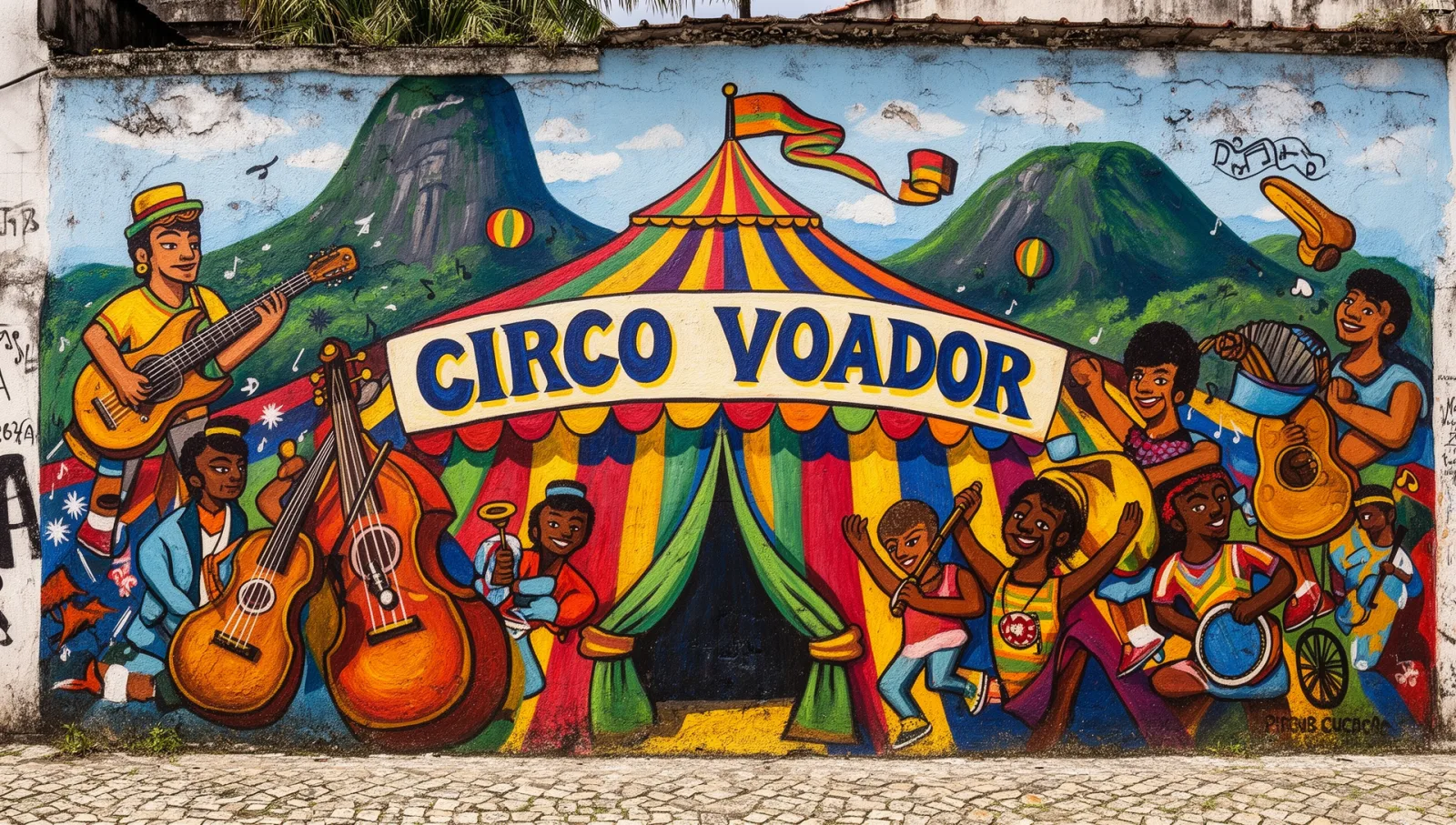
Circo Voador
The open-sided concert tent sits beside the Carioca Aqueduct in Lapa, a stage under canvas for the night you walk out to.
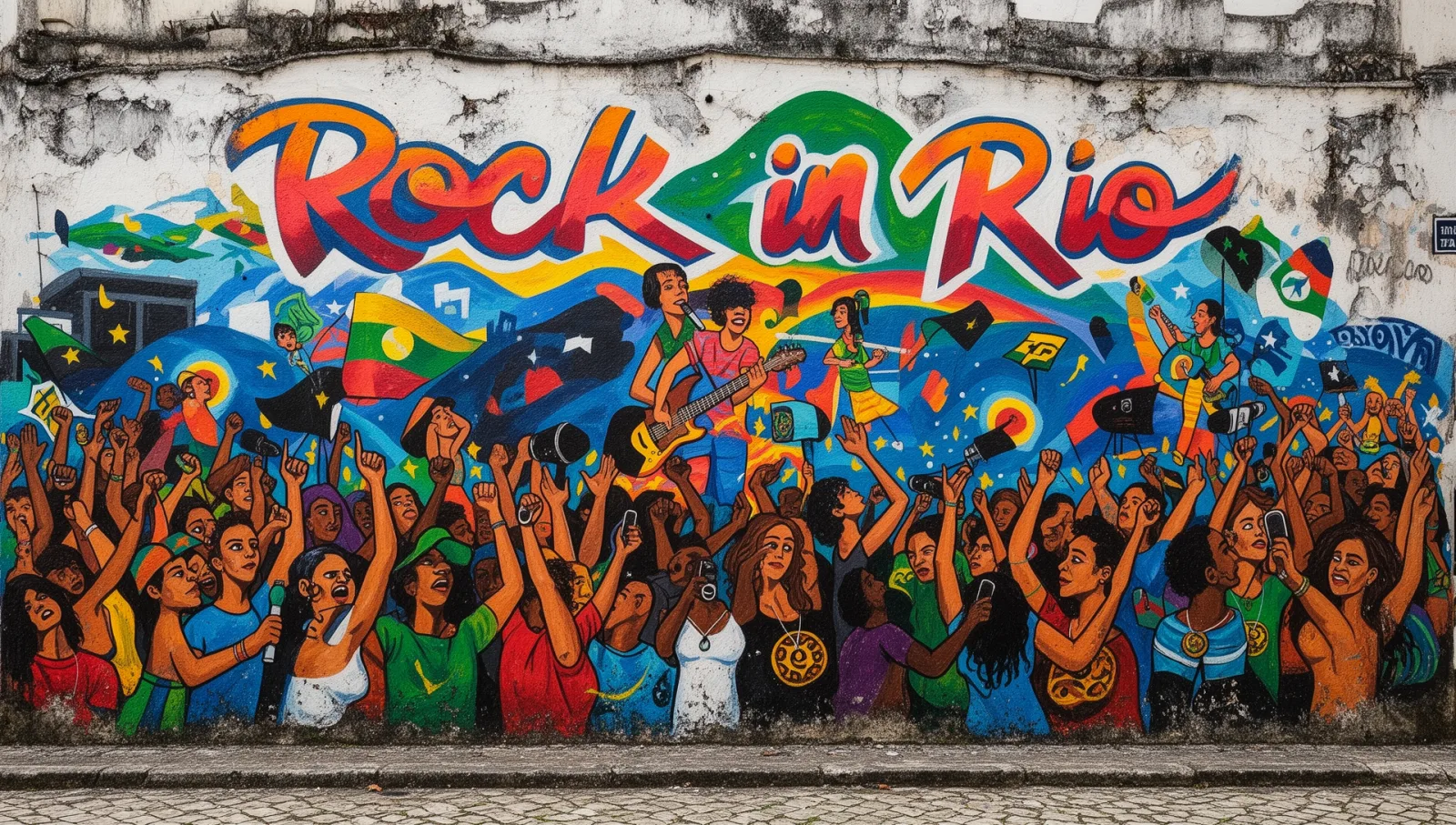
Rock in Rio
The biennial festival began in Rio de Janeiro in 1985; the City of Rock is across town, while Lapa remains the night base under the arches.
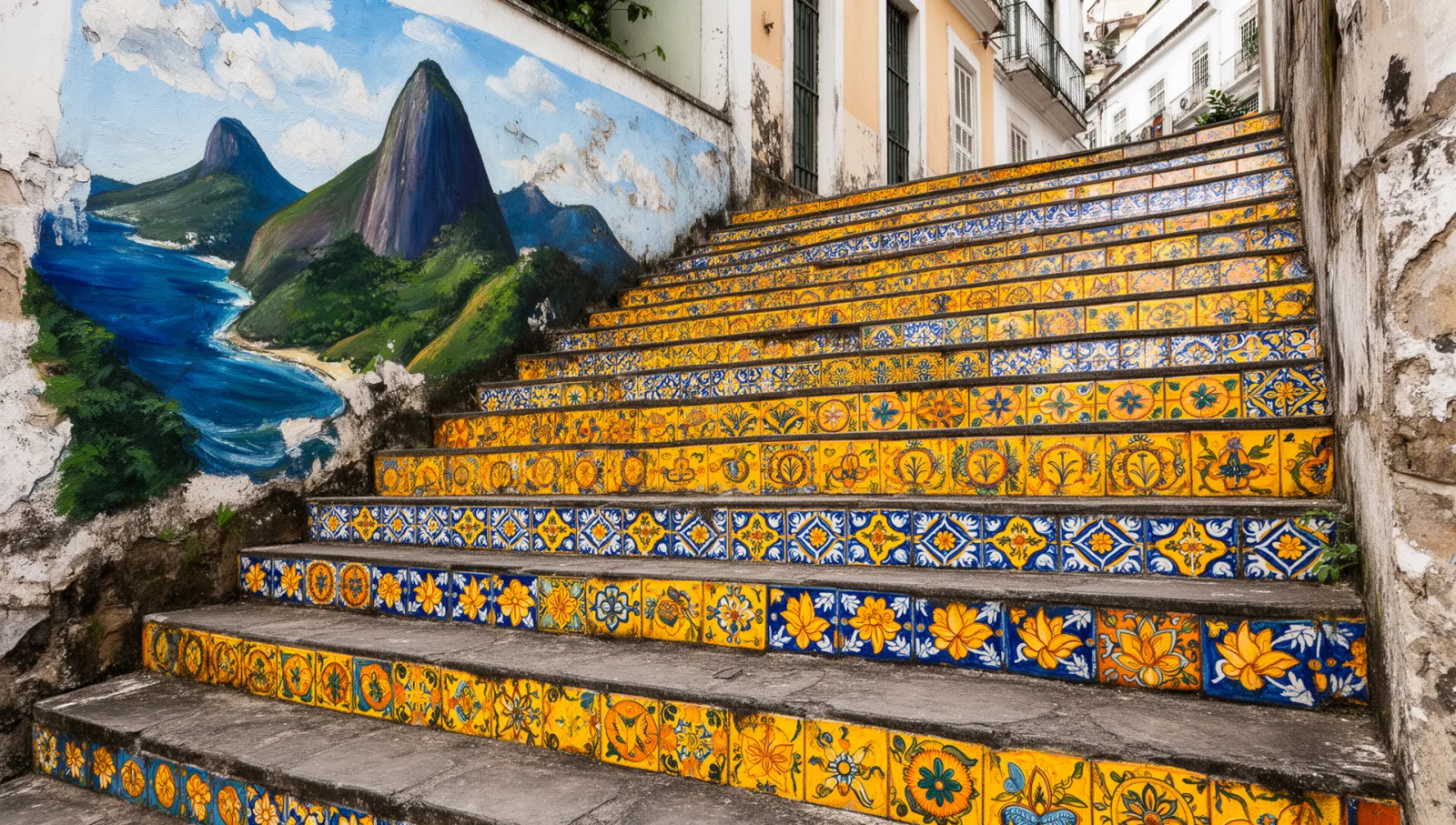
Escadaria Selarón
Jorge Selarón’s tiled stair between Lapa and Santa Teresa is a work he called a tribute to the Brazilian people.
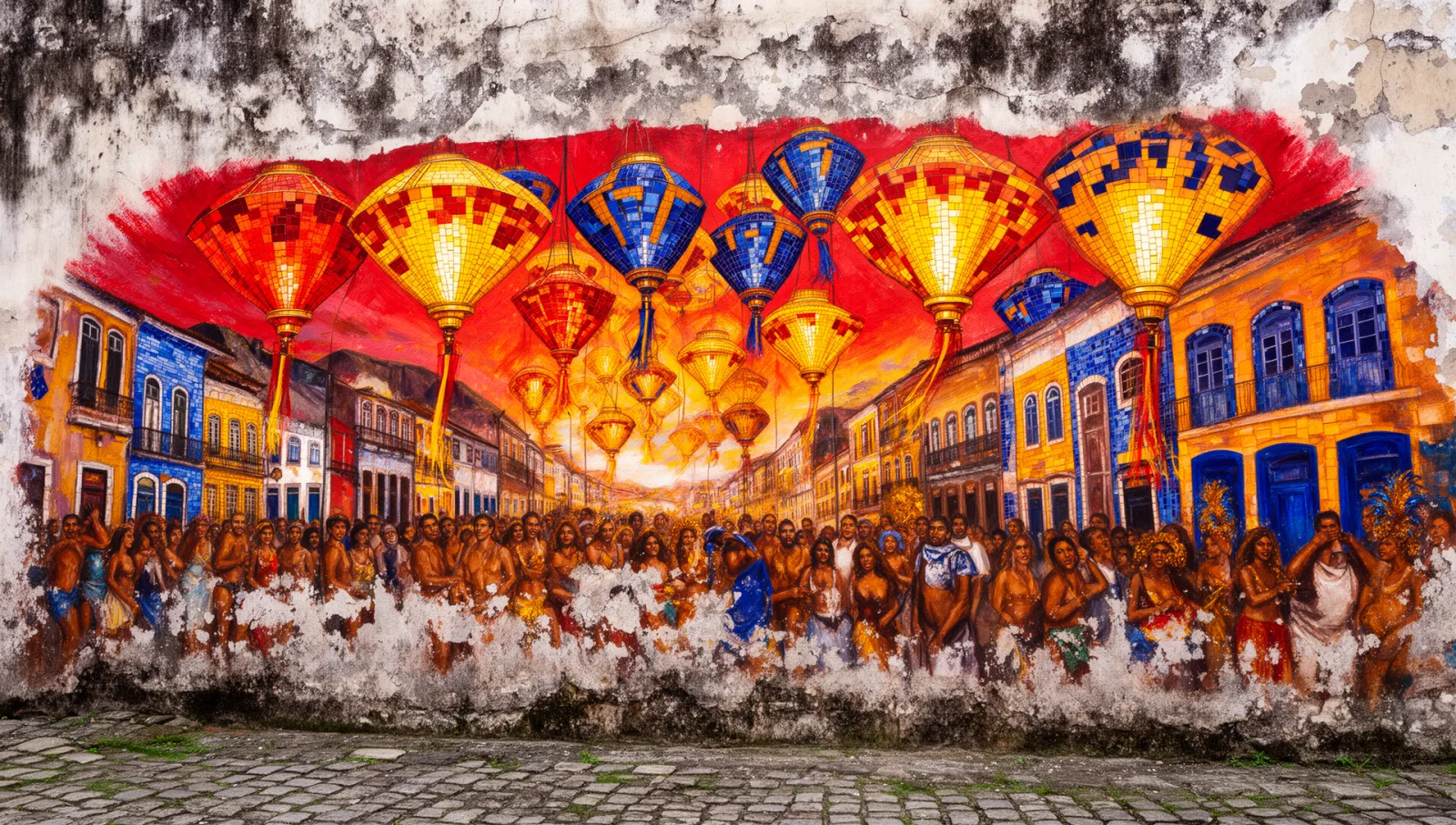
Rio Carnival
Rio’s carnival returns every year before Lent: street revelry across the city, and samba-school parades on a separate avenue.
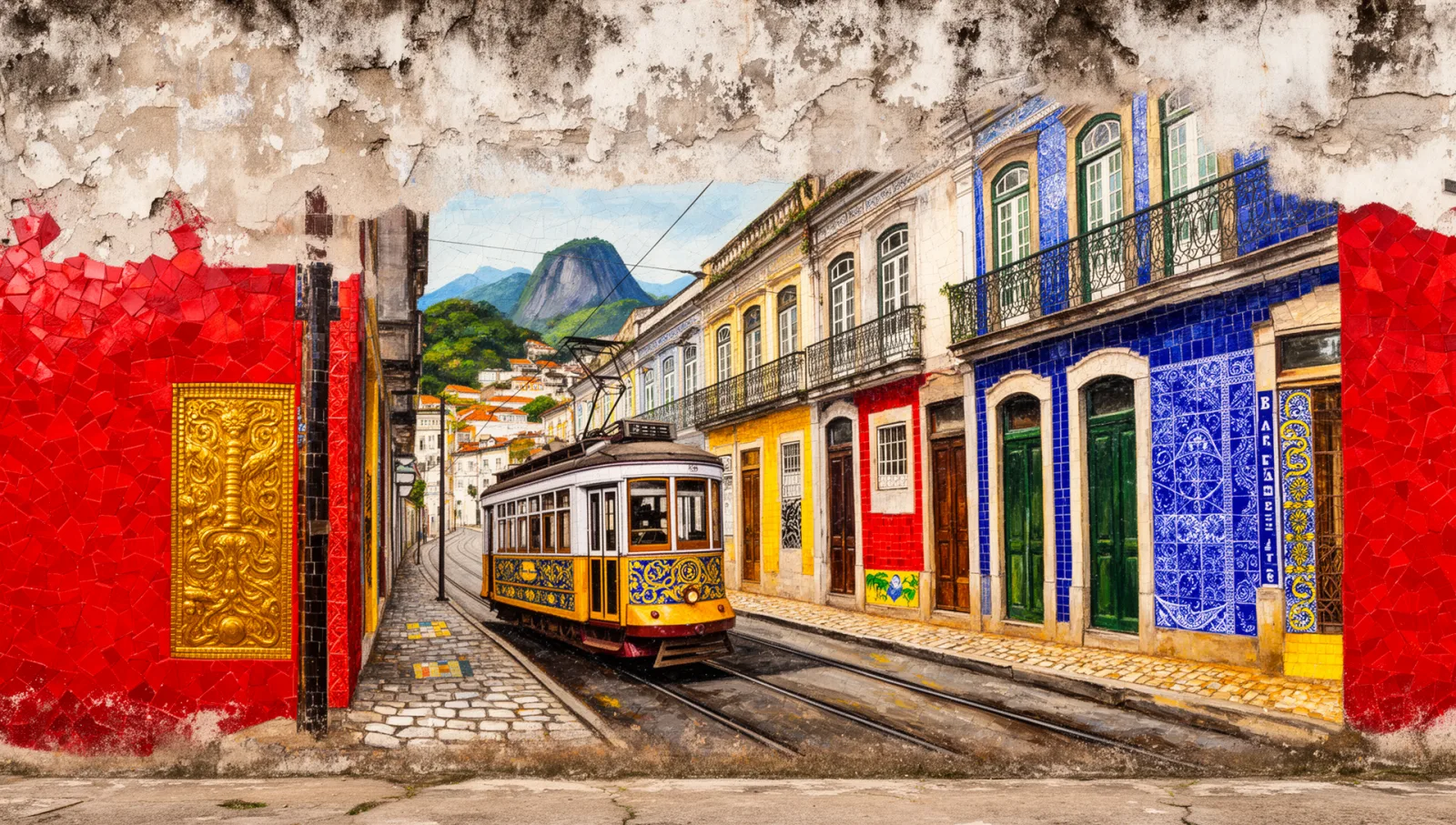
Lapa: The Birthplace of Rio’s Bohemian Spirit
Lapa is a Centro neighborhood of historic streets and a night scene that still draws musicians and late tables.
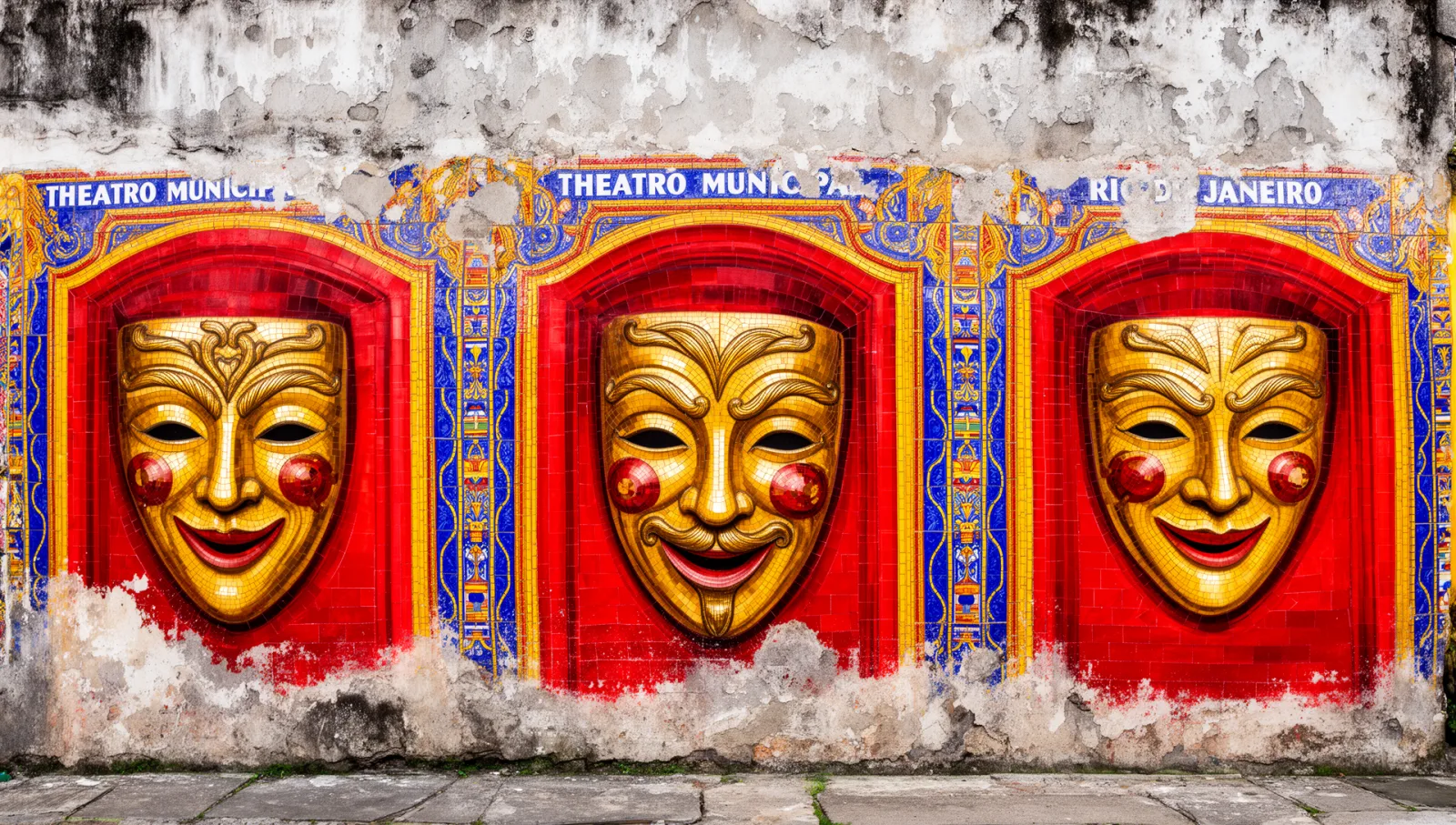
Theatro Municipal
On Cinelândia, the Theatro Municipal is Rio’s opera house from the city’s early twentieth-century renewal.
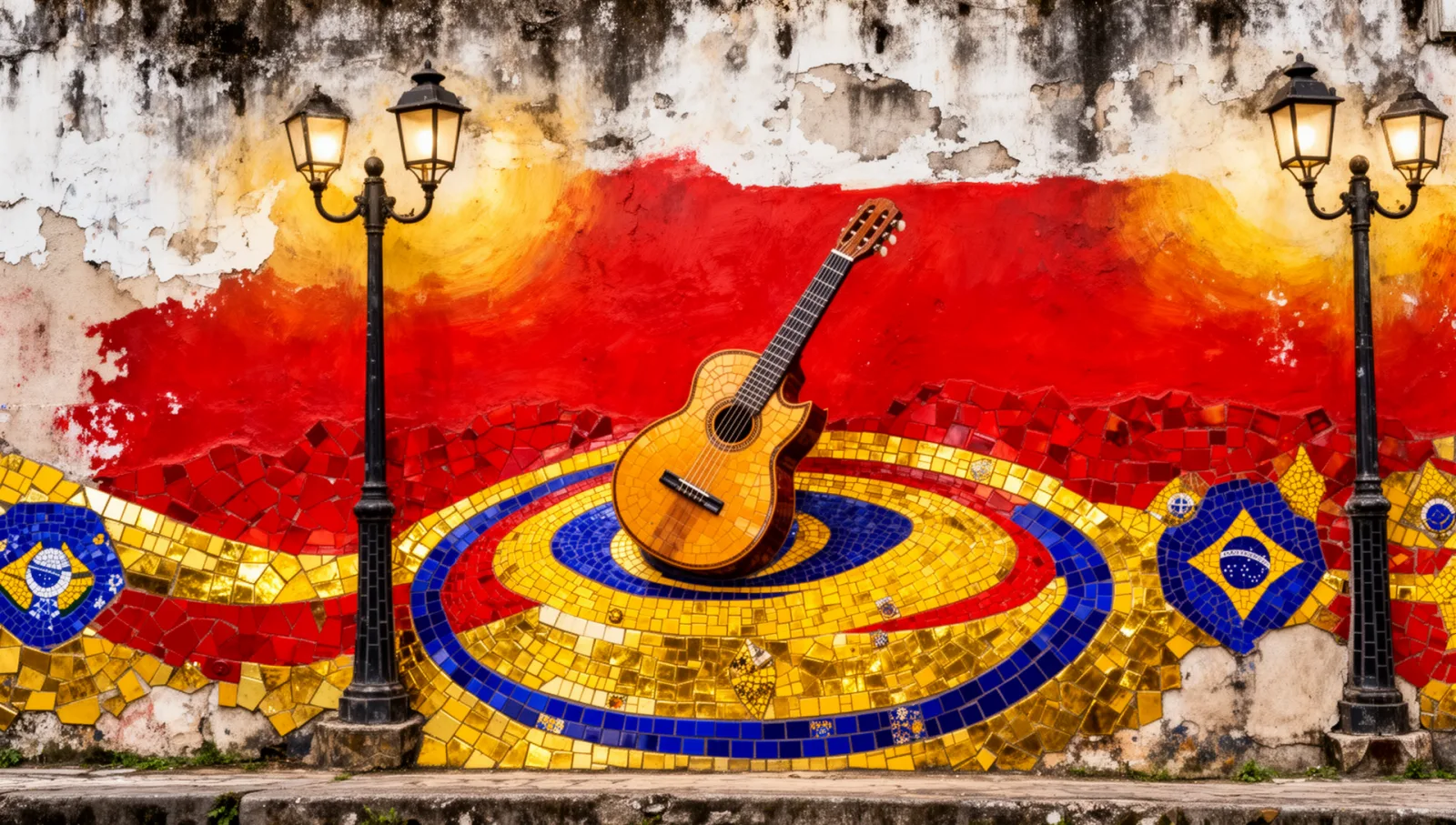
Pedra do Sal: Birthplace of Rio’s Samba
In Saúde, Pedra do Sal is a quilombo landmark and a living stage for samba and choro in Little Africa.
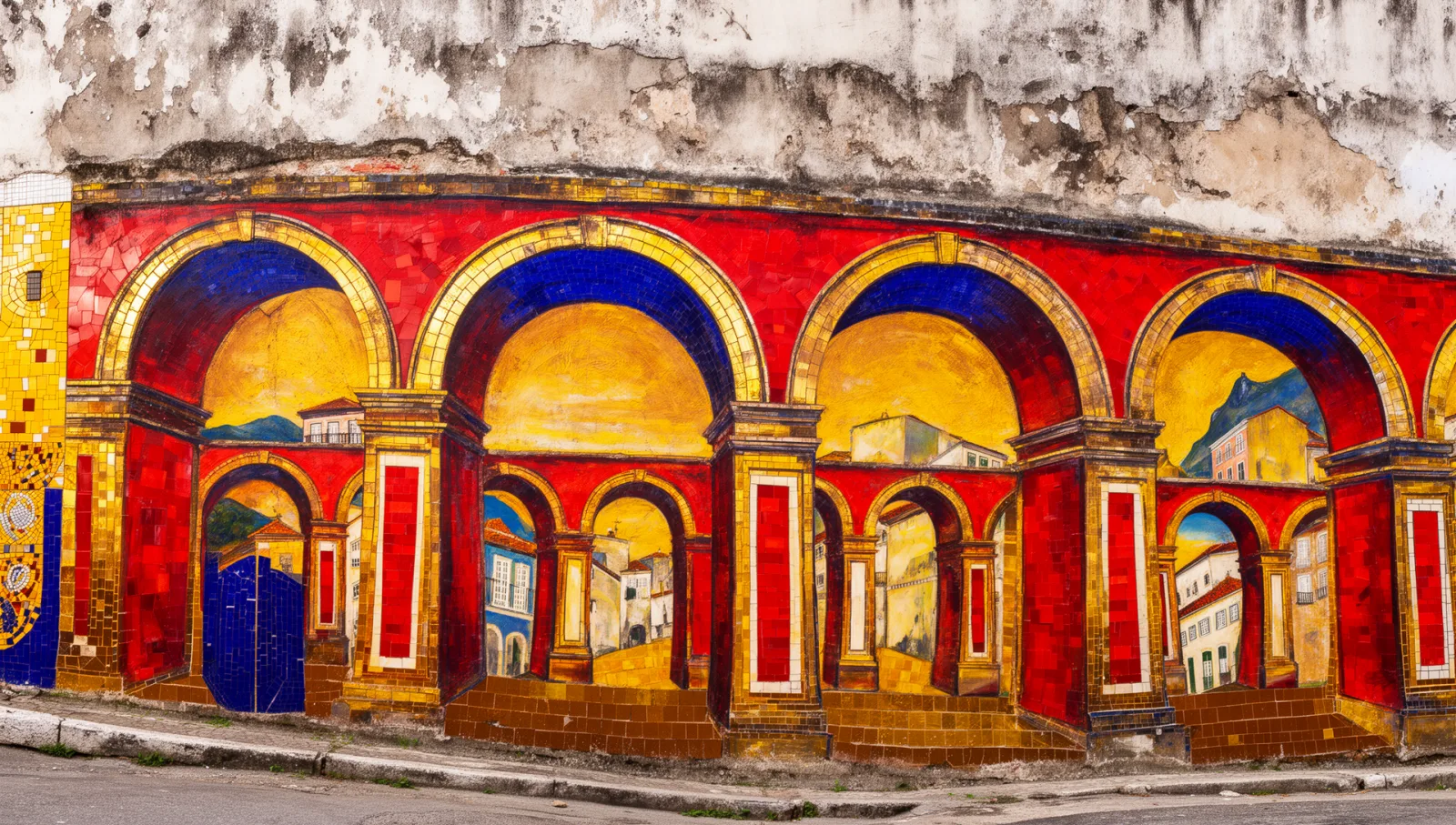
Carioca Aqueduct (Arcos da Lapa)
The colonial arches in Lapa still carry the Santa Teresa tram across the neighborhood they once watered.