Lapa: The Birthplace of Rio’s Bohemian Spirit
Lapa is a Centro neighborhood of historic streets and a night scene that still draws musicians and late tables.
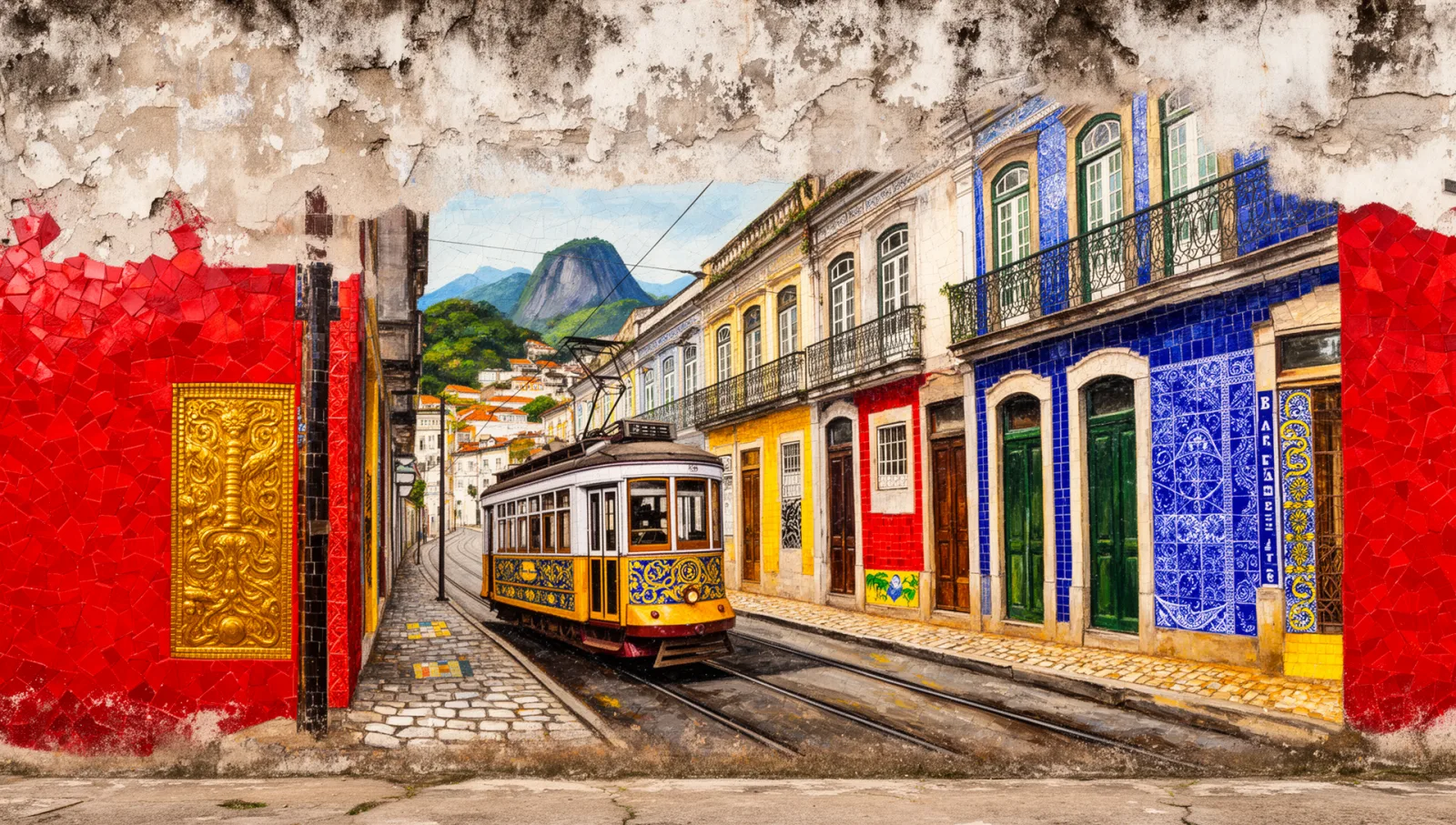
Lapa sits in the Zona Central, known for its monuments and for the buzz of its streets after dark.
The Arcos da Lapa still span the neighborhood, and nearby Escadaria Selarón climbs toward Santa Teresa, both on the same walking streets.
Built in 1783 and remodeled in 1860, the Passeio Público remains the city’s first public park, a green pause on the Centro side of Lapa.
From the early 1950s the district has been a gathering place for artists, with restaurants and bars that stay open late.
Sala Cecília Meireles continues that music: chamber programs in a Lapa hall, not a beachfront stage.
Selarón and the Passeio are about 10 minutes on foot from the heart of Lapa; the arches sit closer. After dark this is a walking neighborhood.
Places in this story
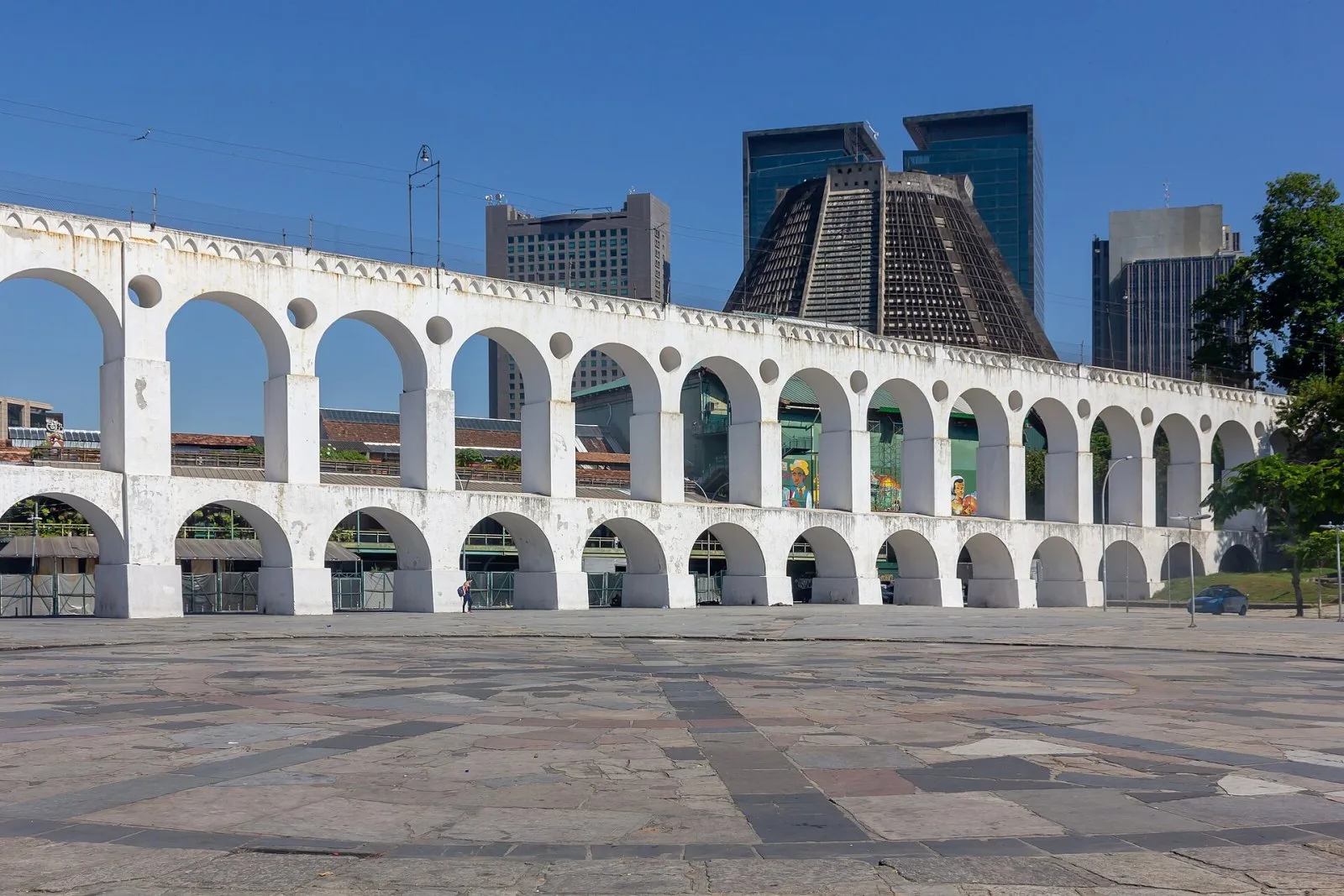
Arcos da Lapa
The Carioca Aqueduct, popularly known as Arcos da Lapa, is a striking 18th‑century stone structure that once carried water to Rio’s residents.
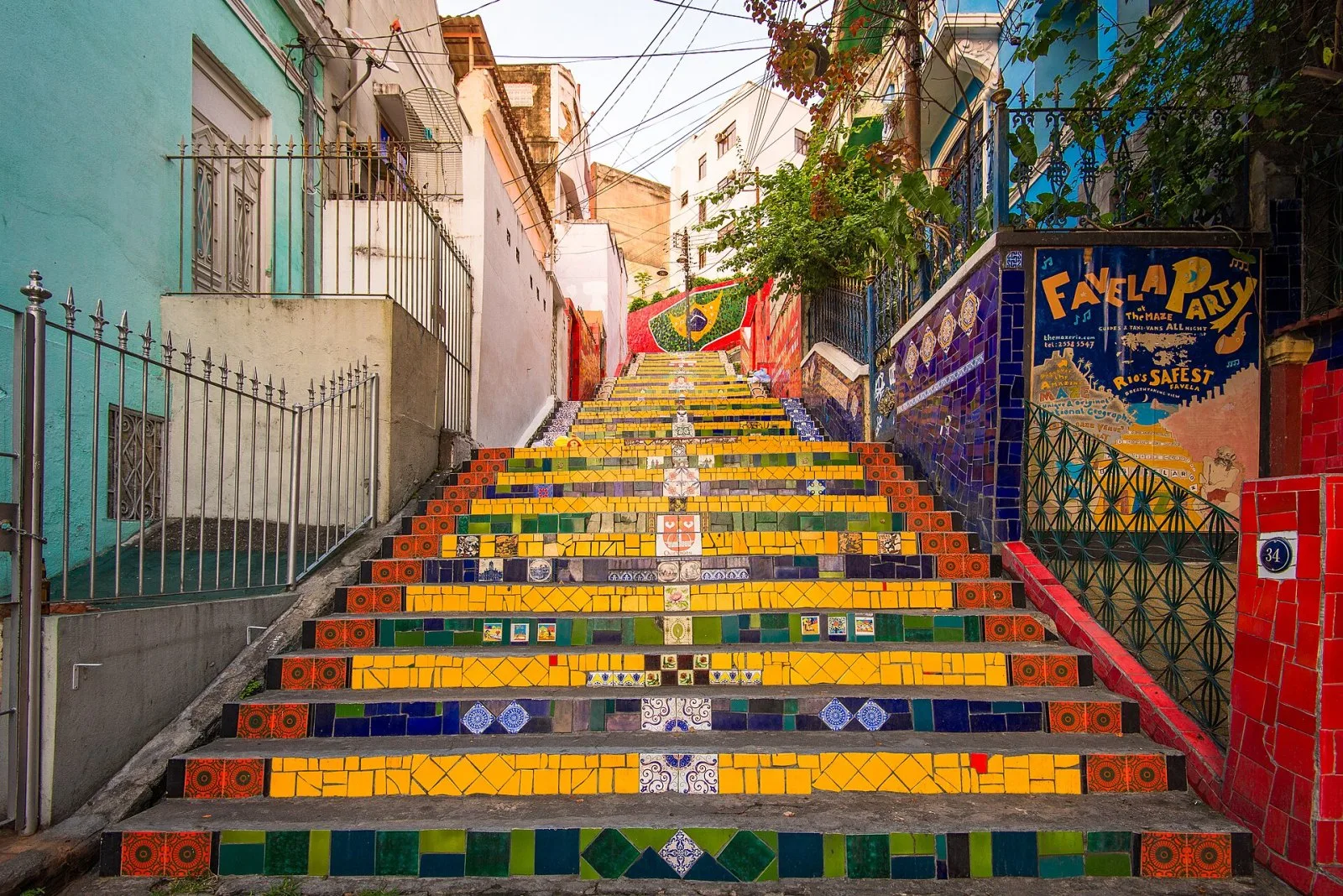
Escadaria Selarón
The Escadaria Selarón is a world-famous flight of steps between the Lapa and Santa Teresa neighborhoods, entirely covered in ceramic tiles by the Chilean-born artist Jorge Selarón.
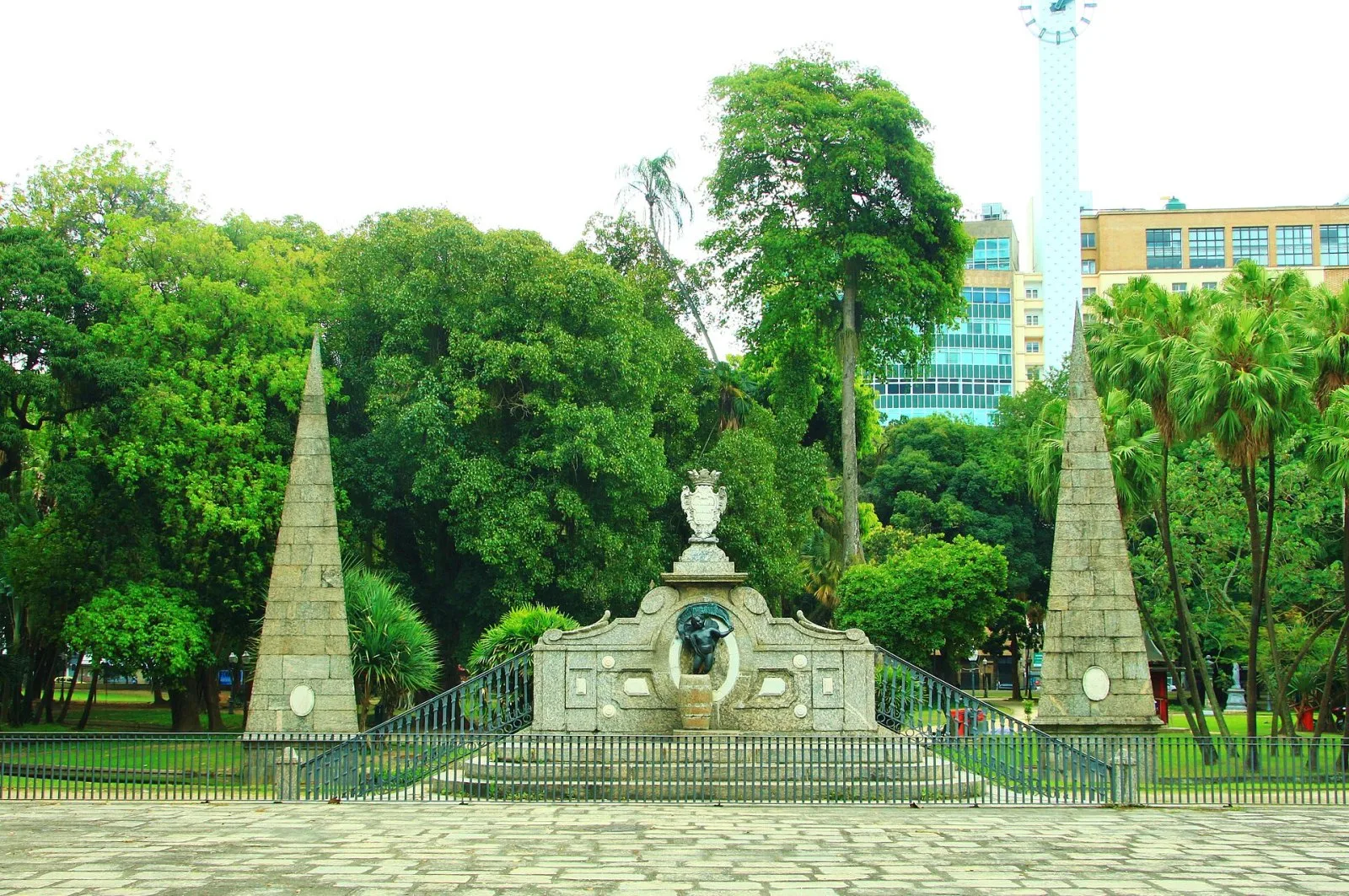
Passeio Público
The Passeio Público, built after 1779, is the oldest public park in Brazil and one of the oldest in the Americas.
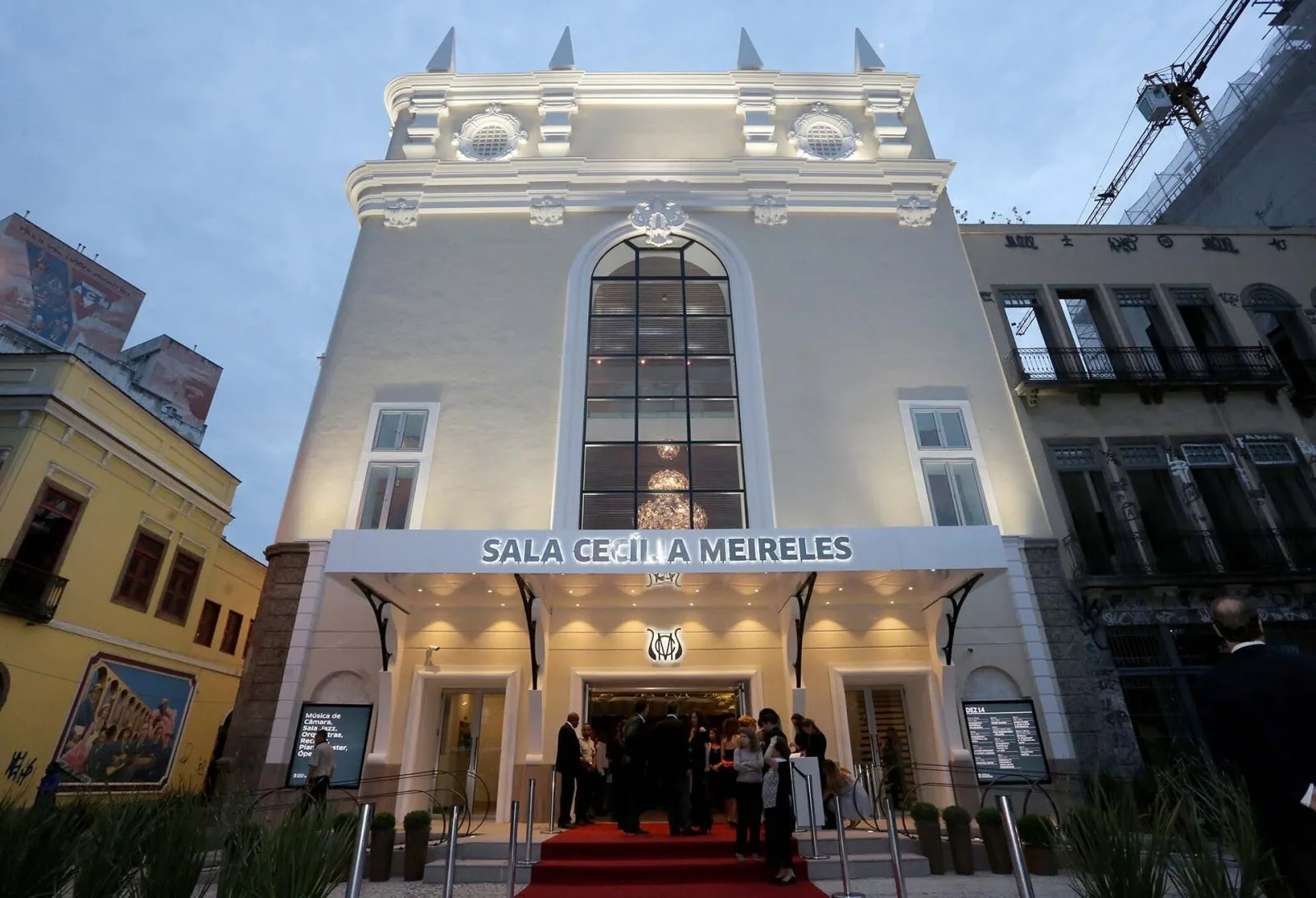
Sala Cecília Meireles
Sala Cecília Meireles is in Lapa, about 10 minutes on foot from the studio.
Stay nearby
Stay at Mural da Lapa; Selarón and the Passeio Público are about 10 minutes on foot.