Landmarks
The full verified list for this section. The shortlist on the category page is the curated starting set.
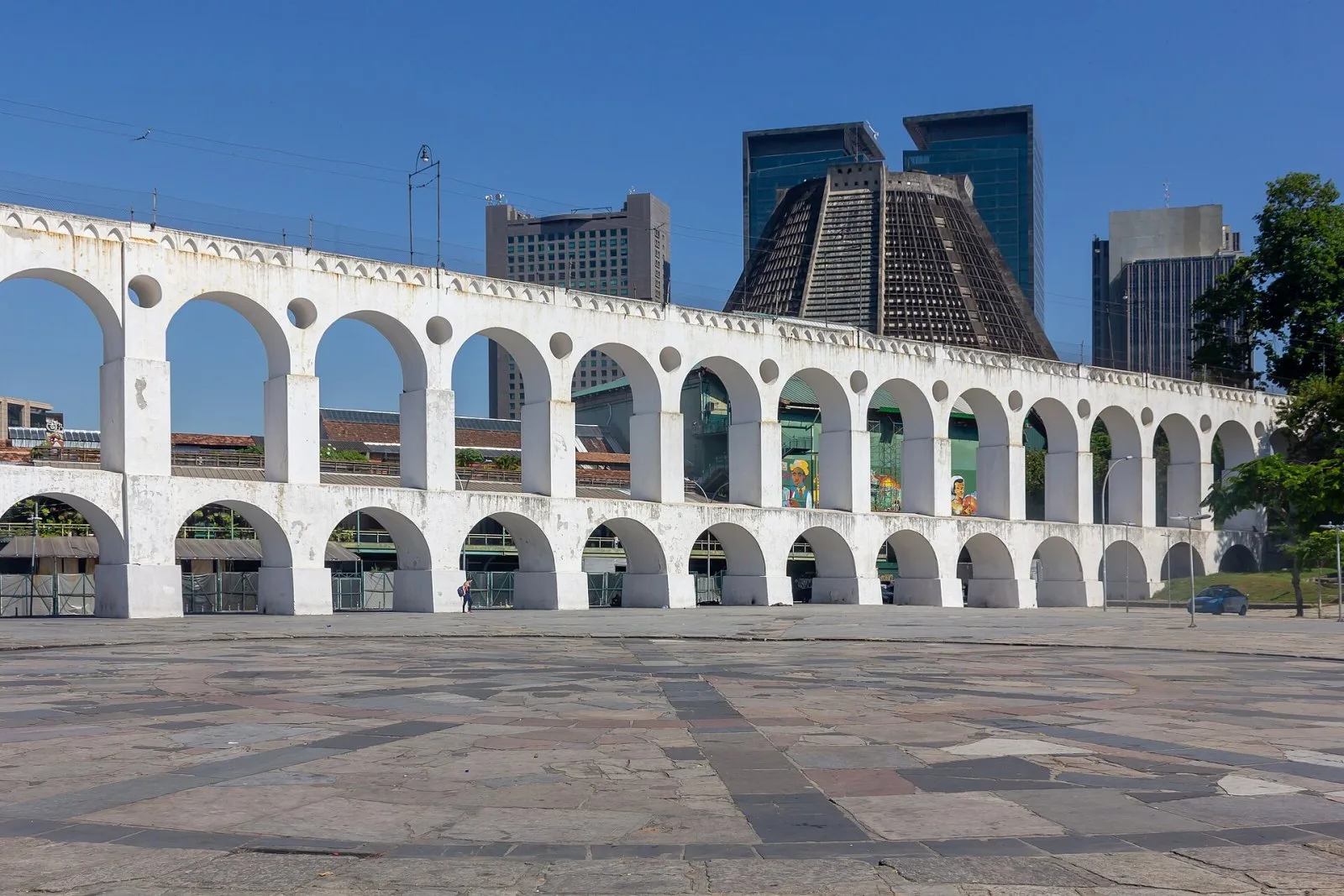
Arcos da Lapa
The Carioca Aqueduct, popularly known as Arcos da Lapa, is a striking 18th‑century stone structure that once carried water to Rio’s residents.
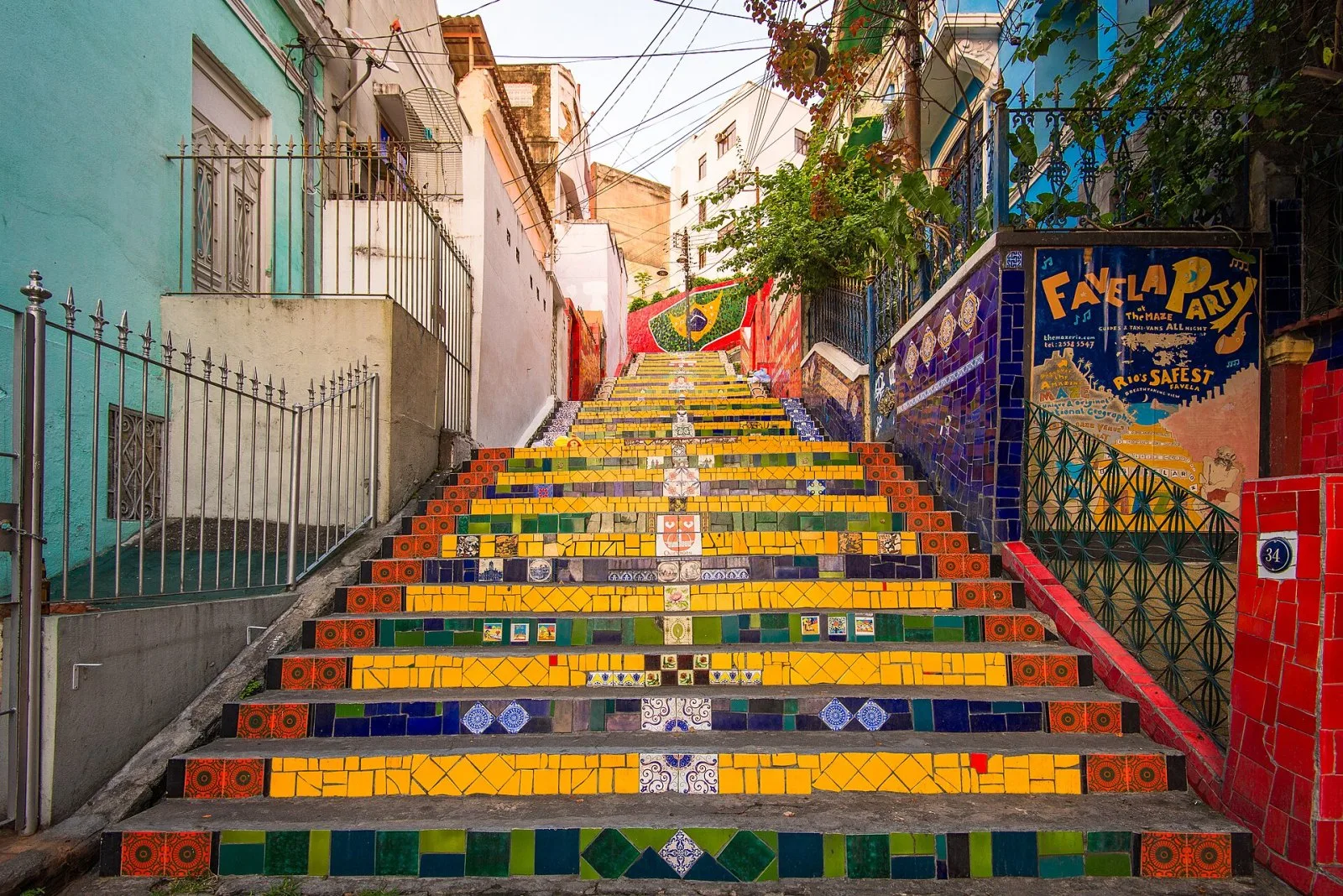
Escadaria Selarón
The Escadaria Selarón is a world-famous flight of steps between the Lapa and Santa Teresa neighborhoods, entirely covered in ceramic tiles by the Chilean-born artist Jorge Selarón.
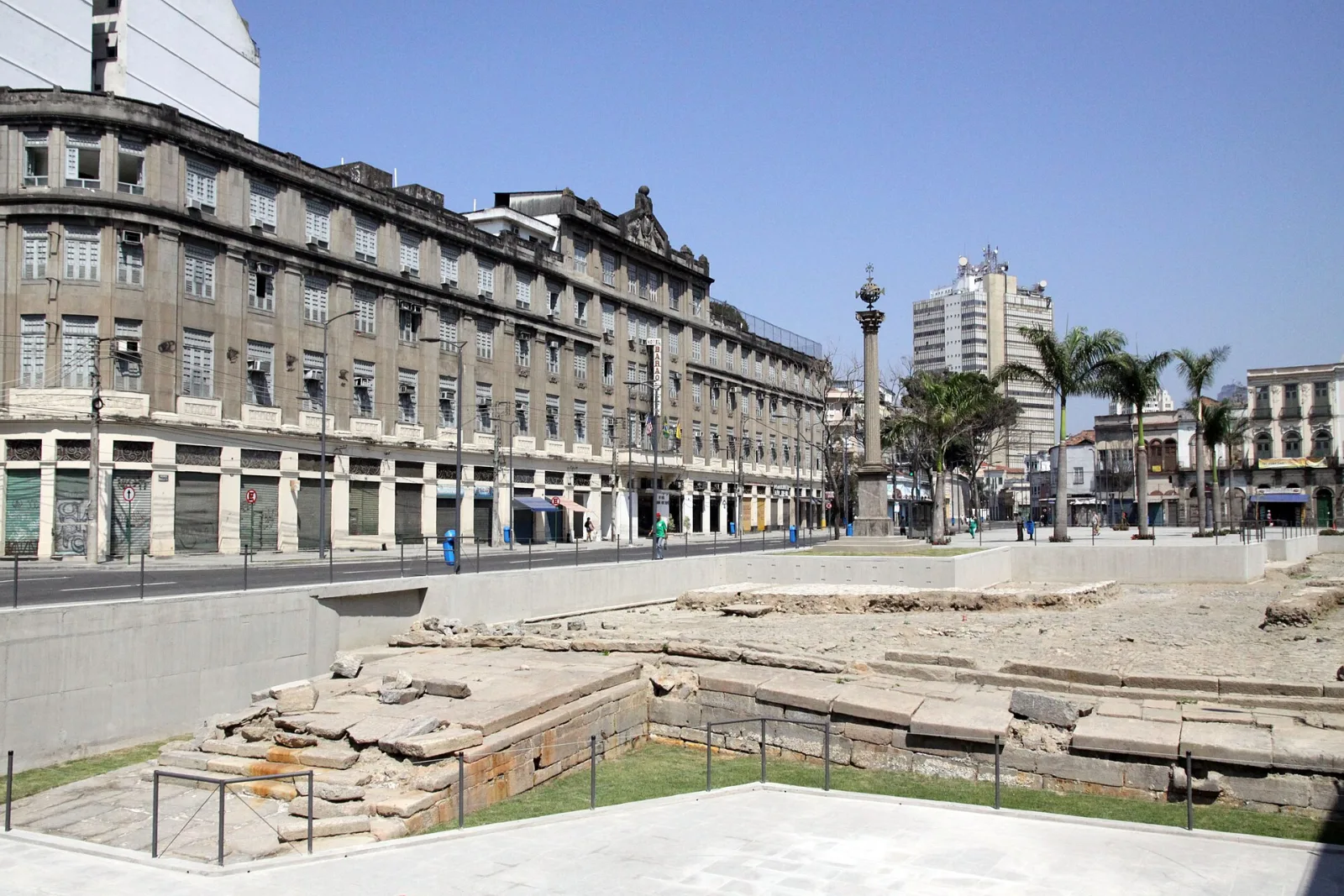
Cais do Valongo
The Valongo Wharf was built in 1811 and served as the landing site for enslaved Africans until 1831, making it a UNESCO World Heritage site recognized in 2017.
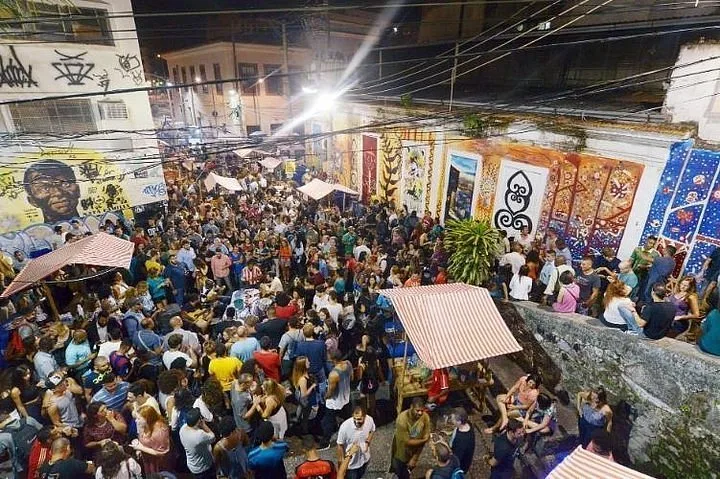
Pedra do Sal
Pedra do Sal is in Saúde, about 20 minutes on foot from the studio.
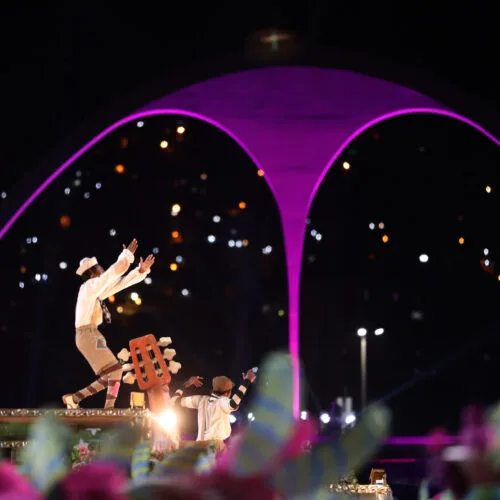
Sambódromo
Sambódromo is in Cidade Nova, about 20 minutes on foot from the studio.
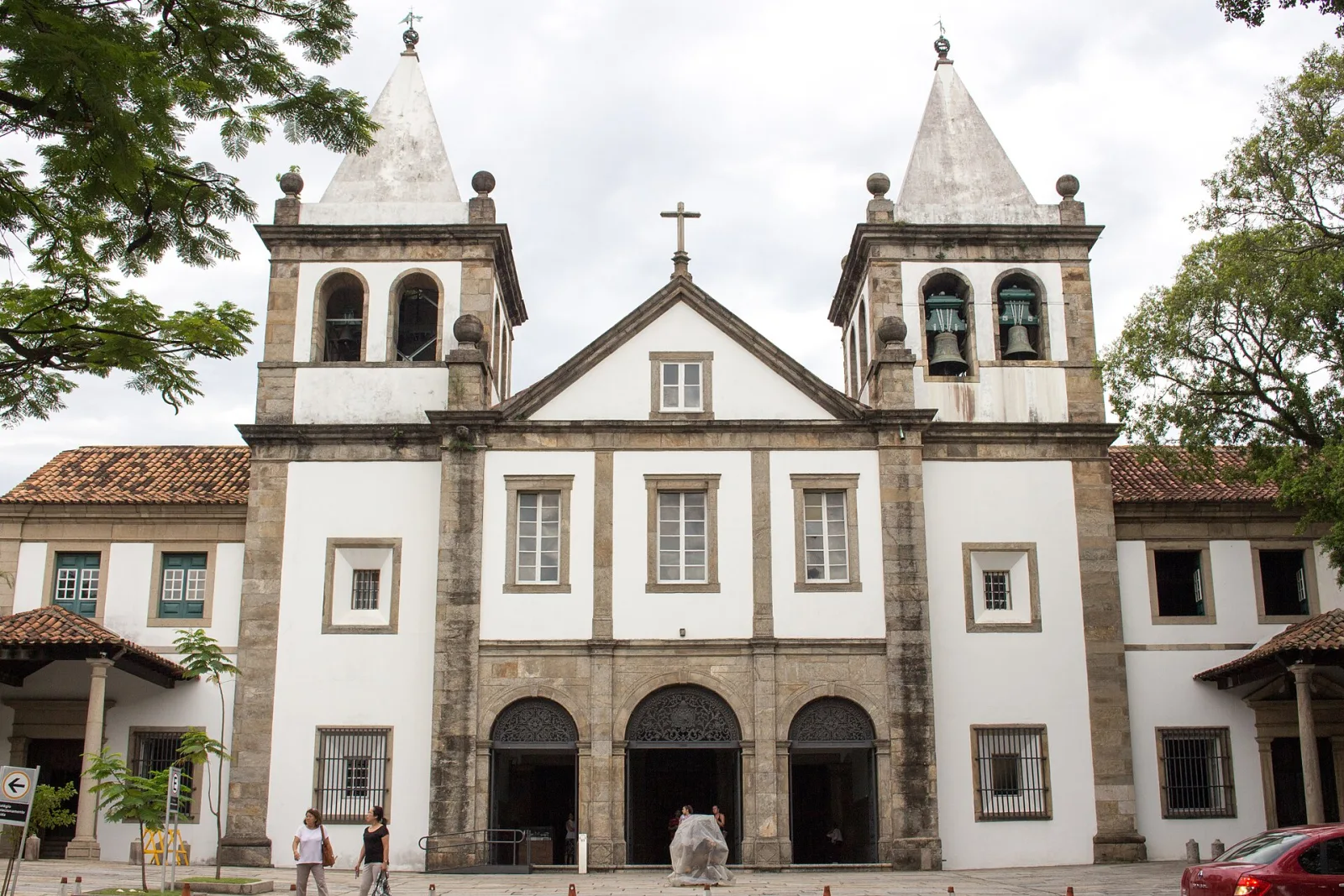
Mosteiro de São Bento
The Mosteiro de São Bento is a Benedictine abbey on its own hill downtown, founded by monks who arrived from Bahia in 1590.
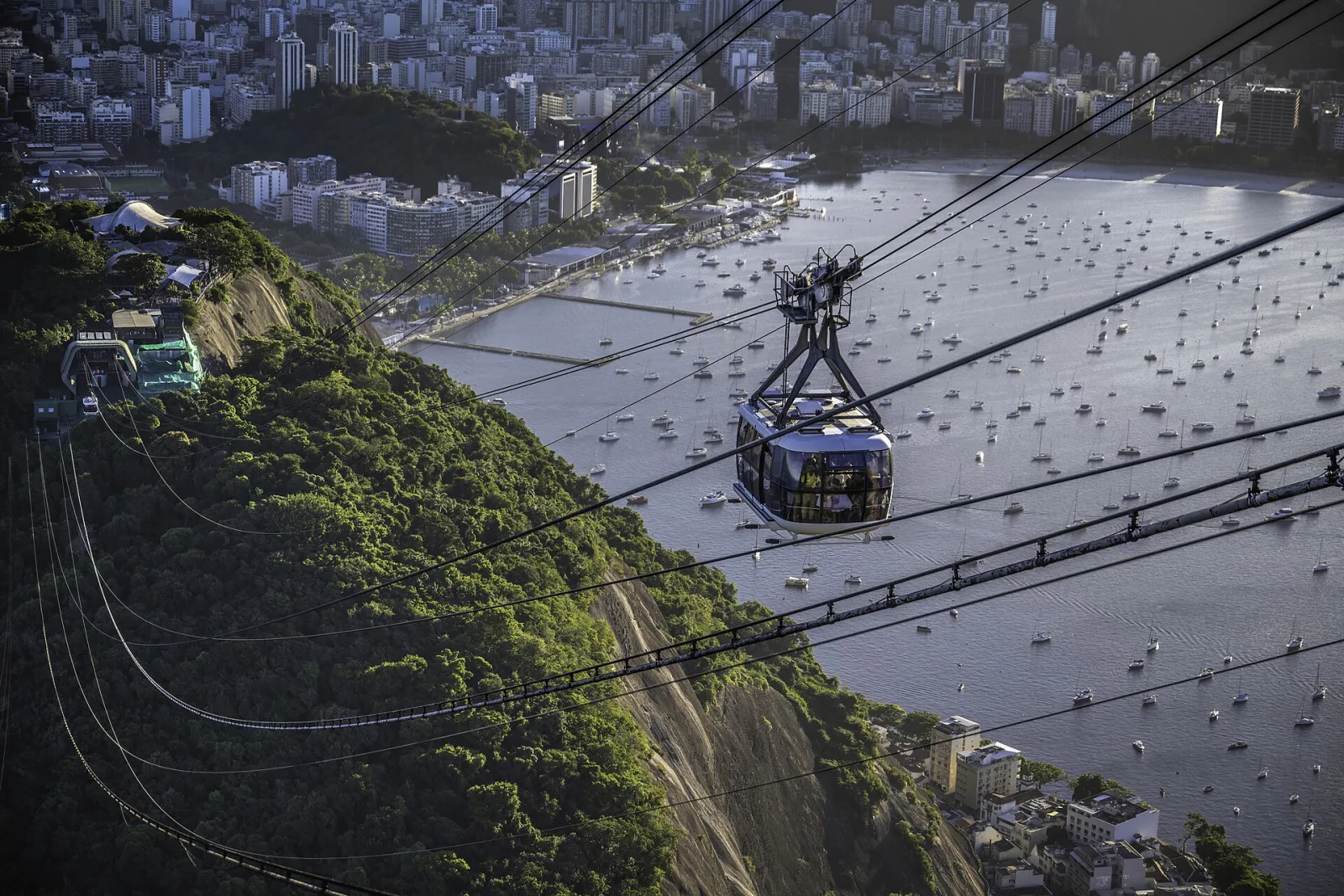
Parque Bondinho Pão de Açúcar
The Sugarloaf cable car has linked Praia Vermelha to Morro da Urca and the peak of Pão de Açúcar since its first stretch opened on October 27, 1912.
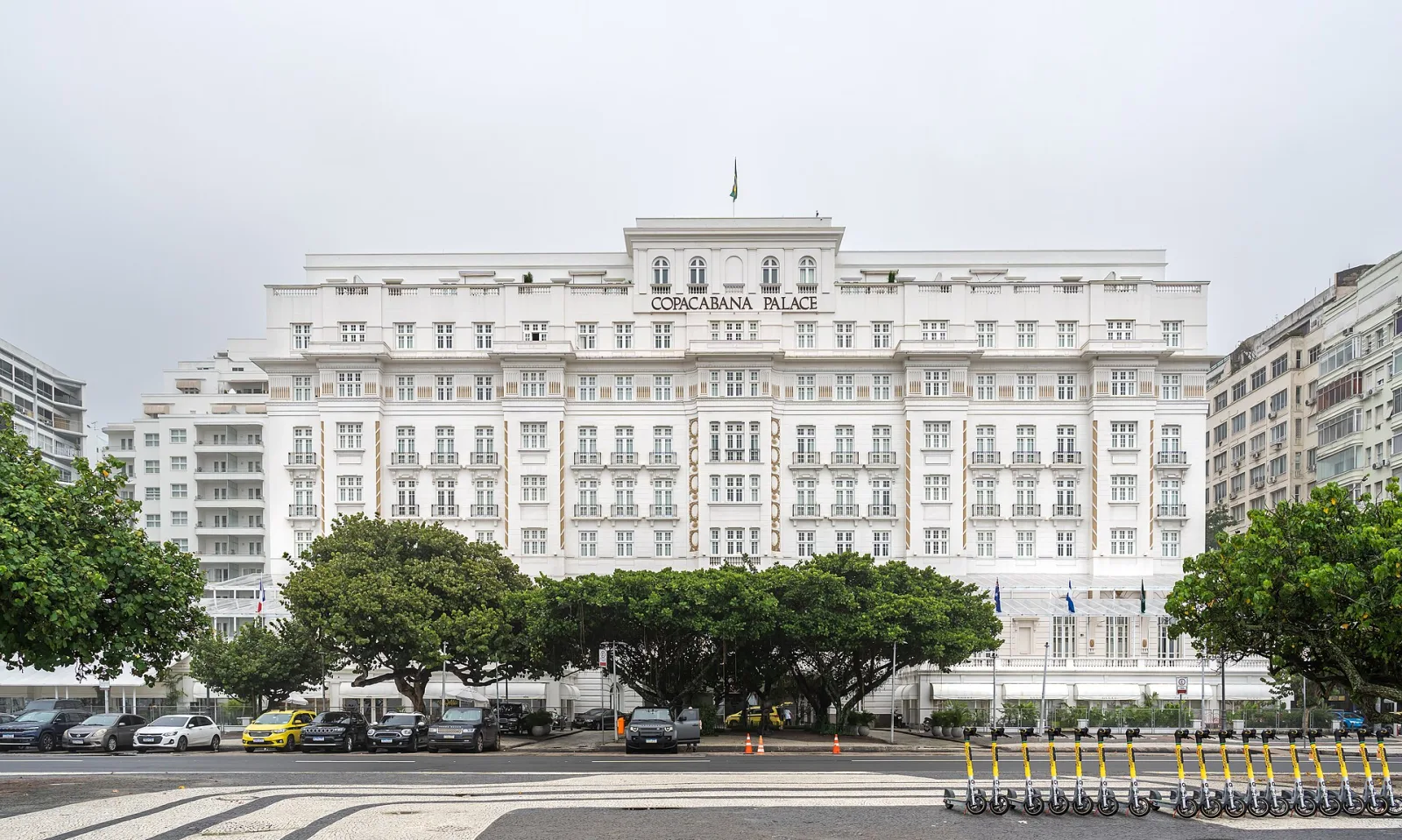
Copacabana Palace
The Copacabana Palace is a historic luxury hotel facing Copacabana beach, designed by French architect Joseph Gire and opened on August 13, 1923.
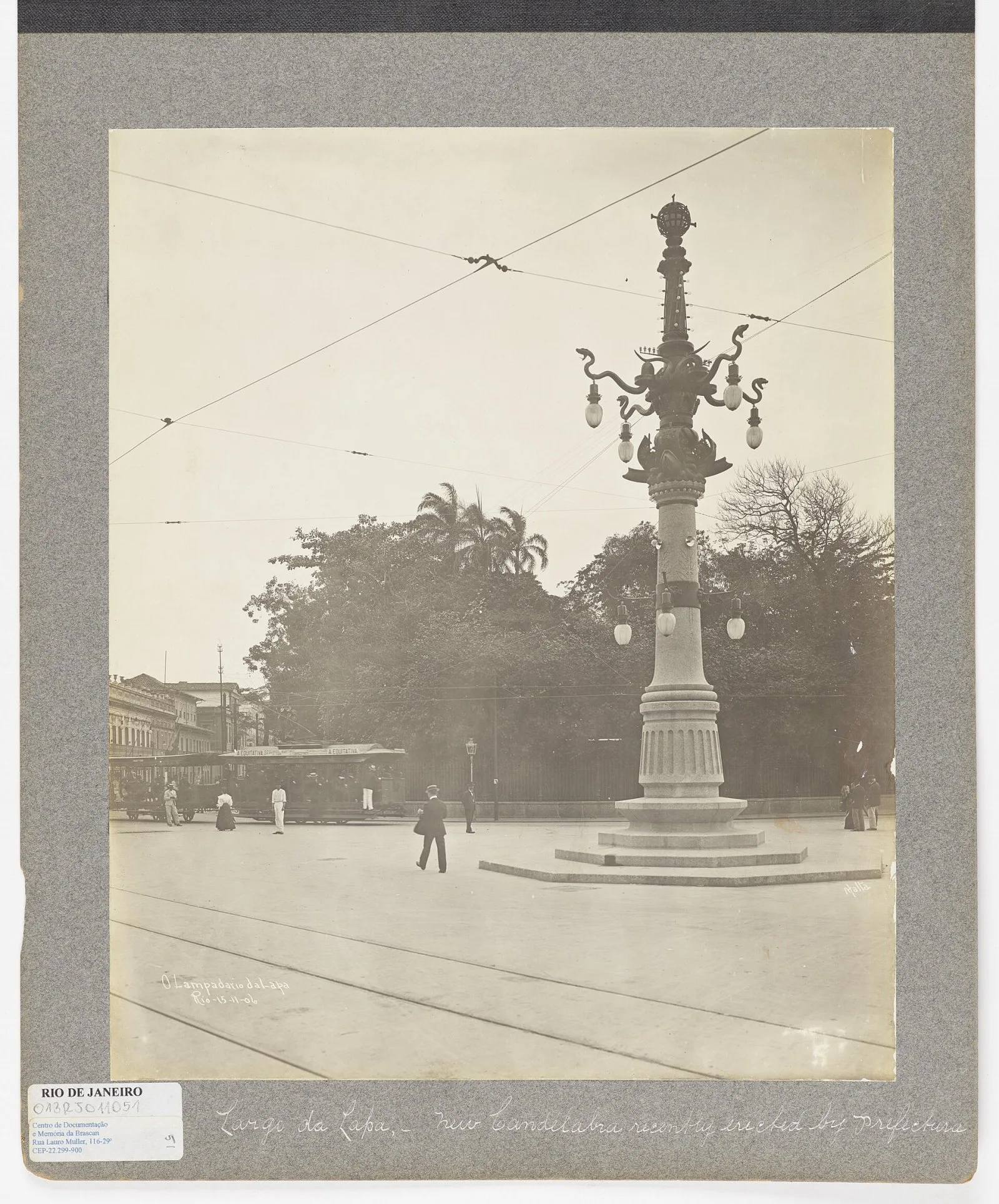
Lampadário Monumental da Lapa
Lampadário Monumental da Lapa is in Lapa, about 10 minutes on foot from the studio.
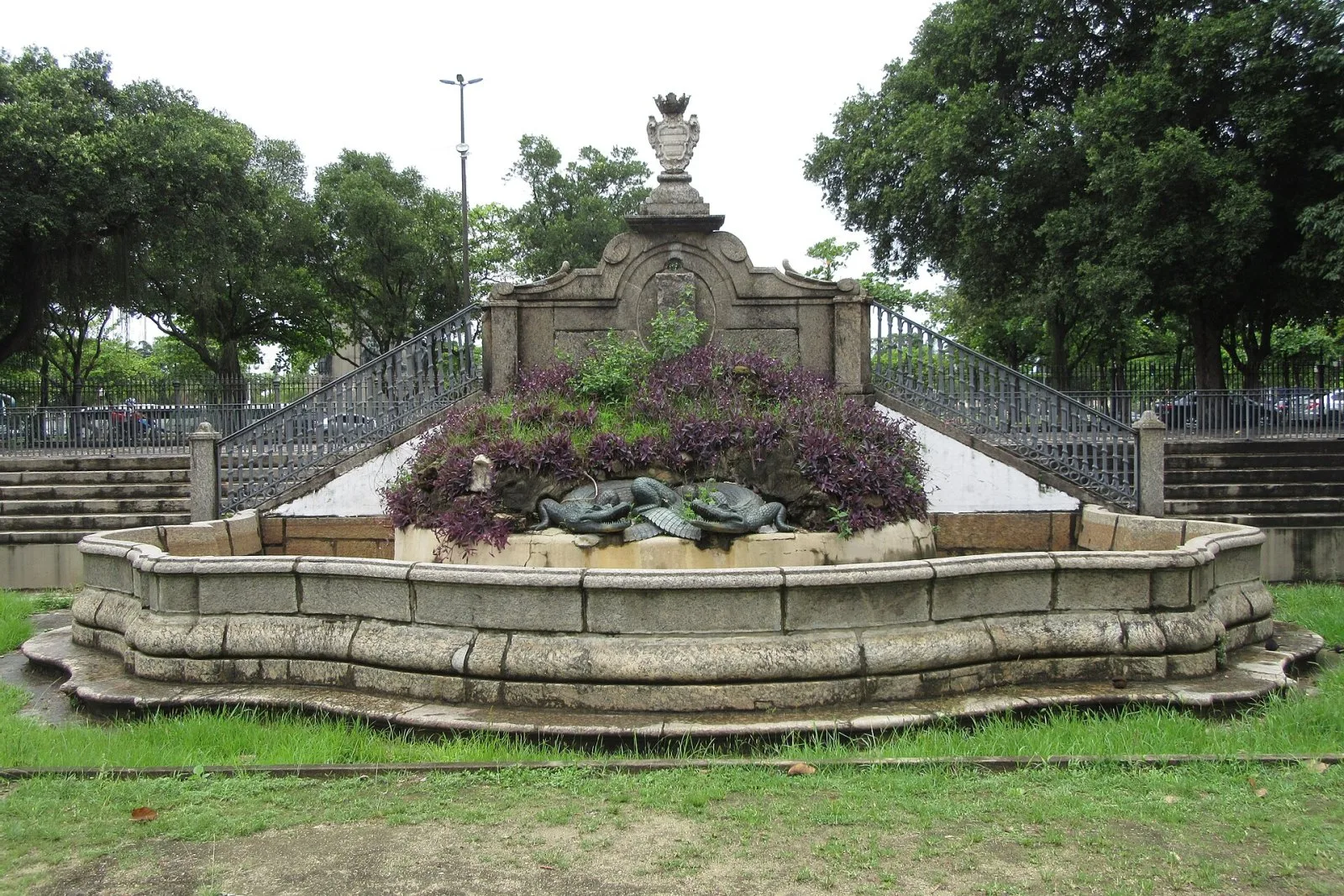
Chafariz dos Jacarés
Chafariz dos Jacarés is in Centro, about 15 minutes on foot from the studio.
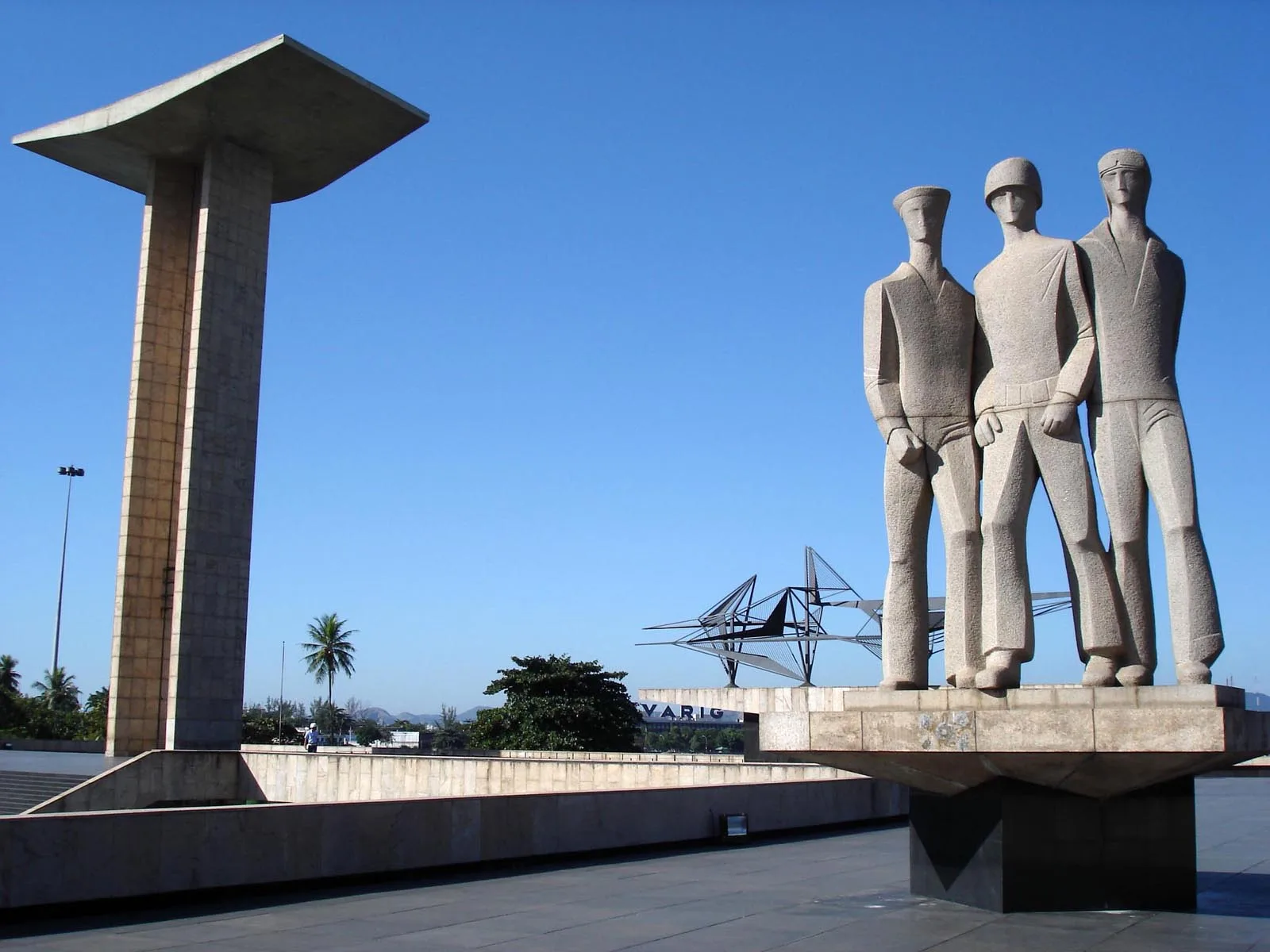
Monumento aos Mortos da Segunda Guerra
The National Monument to the Dead of the Second World War, popularly known as Monumento aos Pracinhas, stands in Parque Eduardo Gomes.
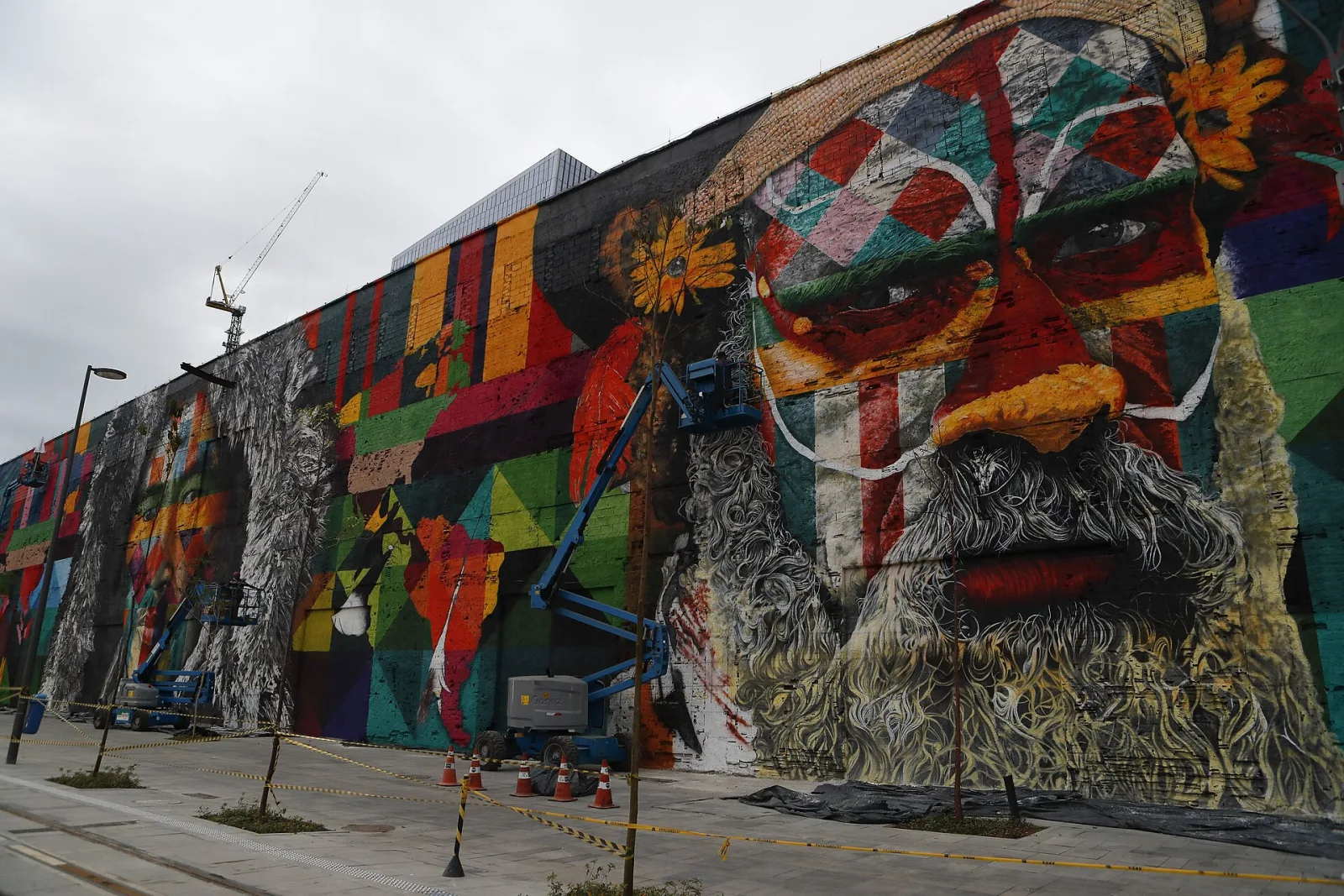
Mural Etnias
Mural Etnias, titled "Todos somos um" (We are all one), is a 15-meter-tall, 170-meter-long panel painted by artist Eduardo Kobra on a former warehouse for the 2016 Olympics.