See
The full verified list for this section. The shortlist on the category page is the curated starting set.
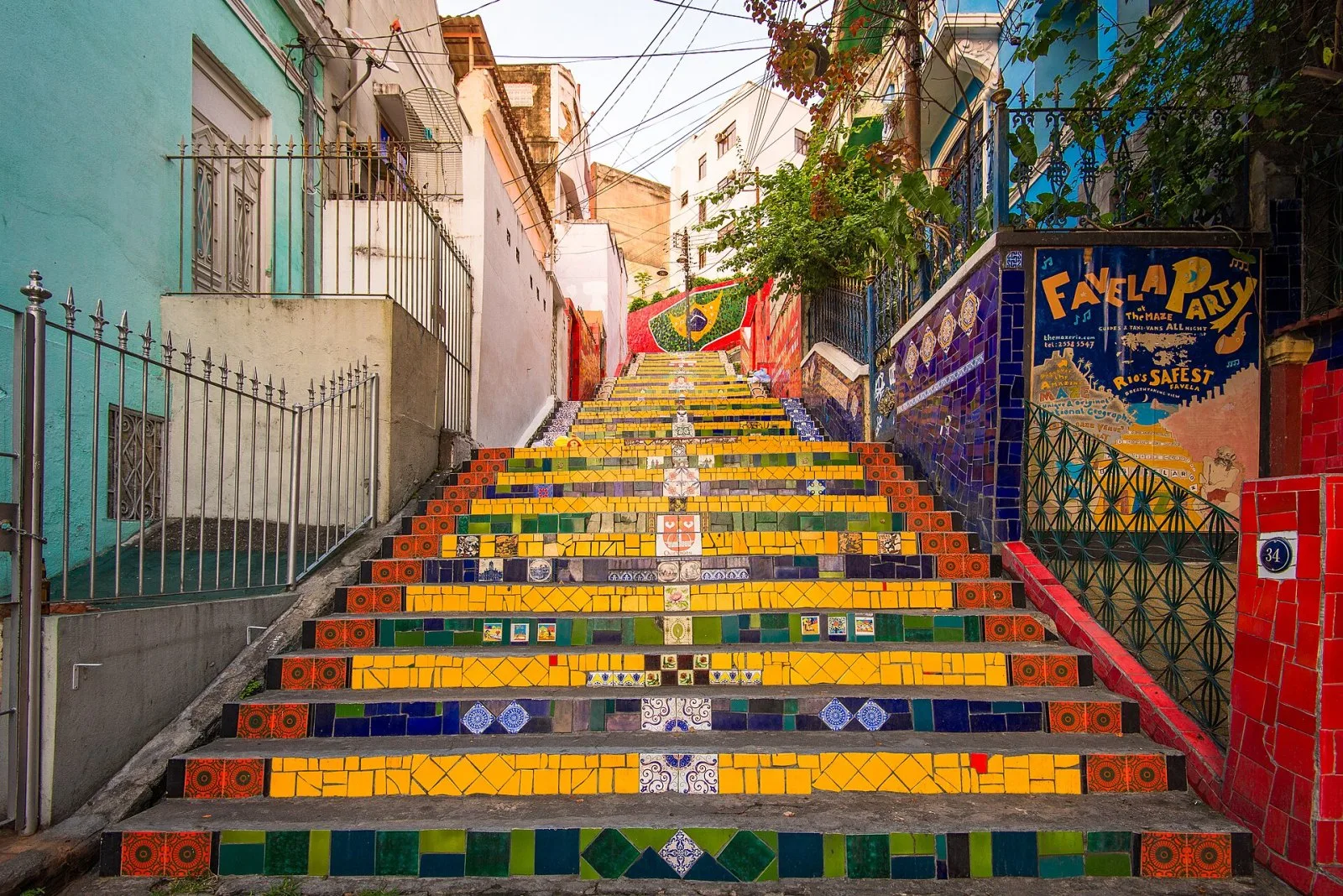
Escadaria Selarón
The Escadaria Selarón is a world-famous flight of steps between the Lapa and Santa Teresa neighborhoods, entirely covered in ceramic tiles by the Chilean-born artist Jorge Selarón.
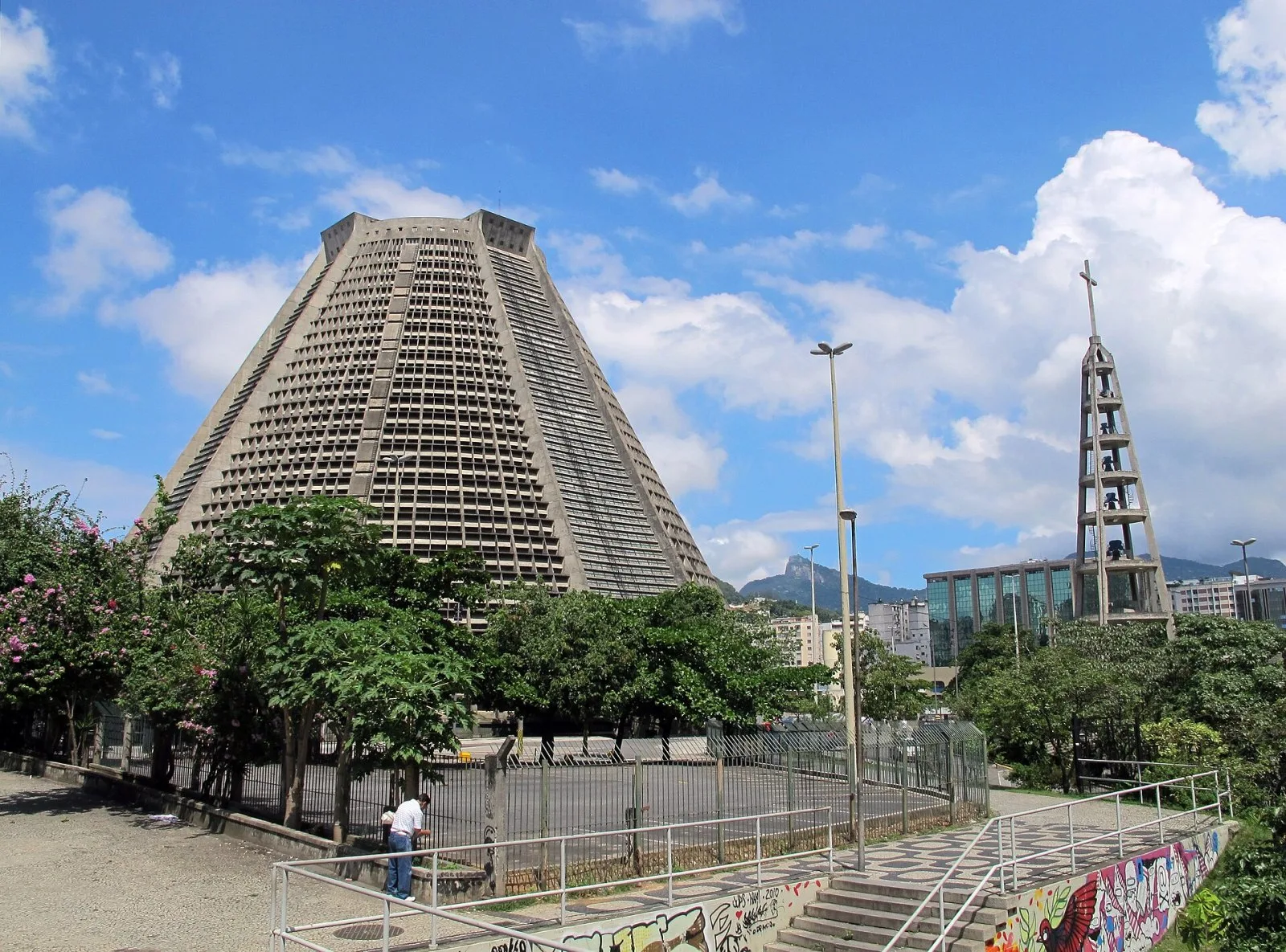
Catedral de São Sebastião
The Metropolitan Cathedral of Saint Sebastian is the seat of the Archdiocese of Rio de Janeiro, dedicated to the city's patron saint.
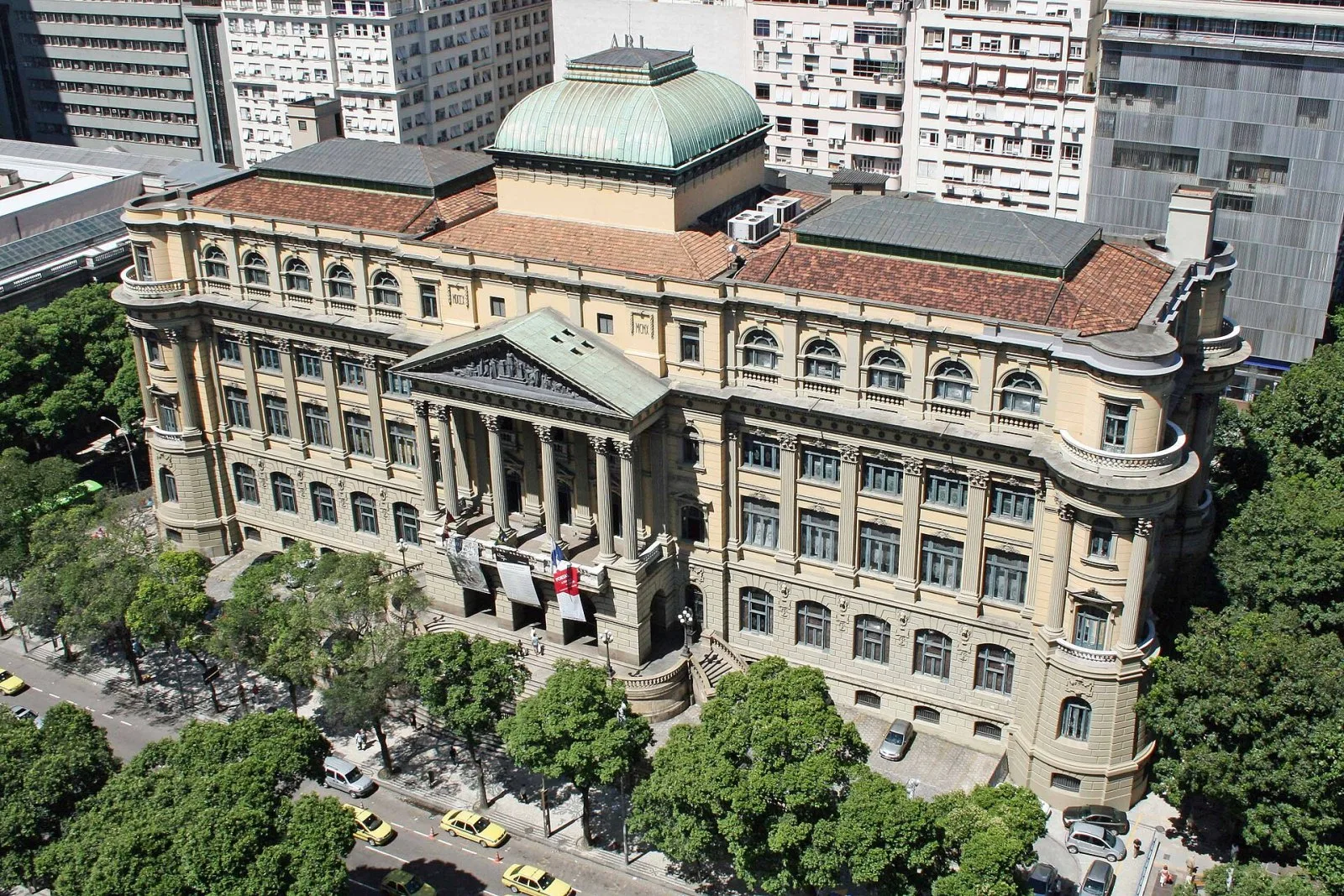
Biblioteca Nacional
The Biblioteca Nacional at Cinelândia square holds around 9 million items and is considered by UNESCO the largest library in Latin America and the seventh largest in the world.
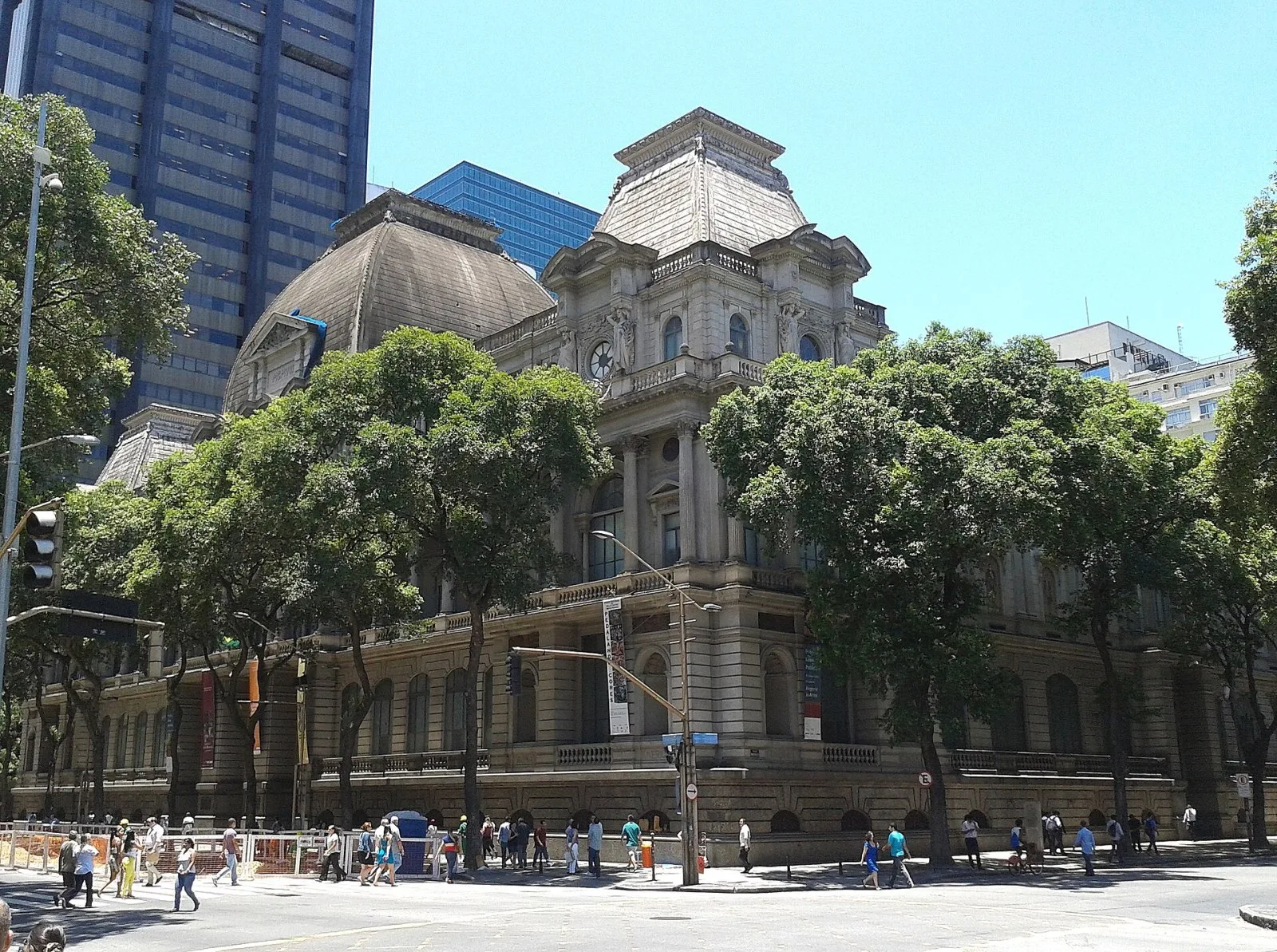
Museu Nacional de Belas Artes
The Museu Nacional de Belas Artes holds Brazil's largest collection of 19th-century painting and sculpture inside an eclectic 1908 building by architect Adolfo Morales de los Ríos.
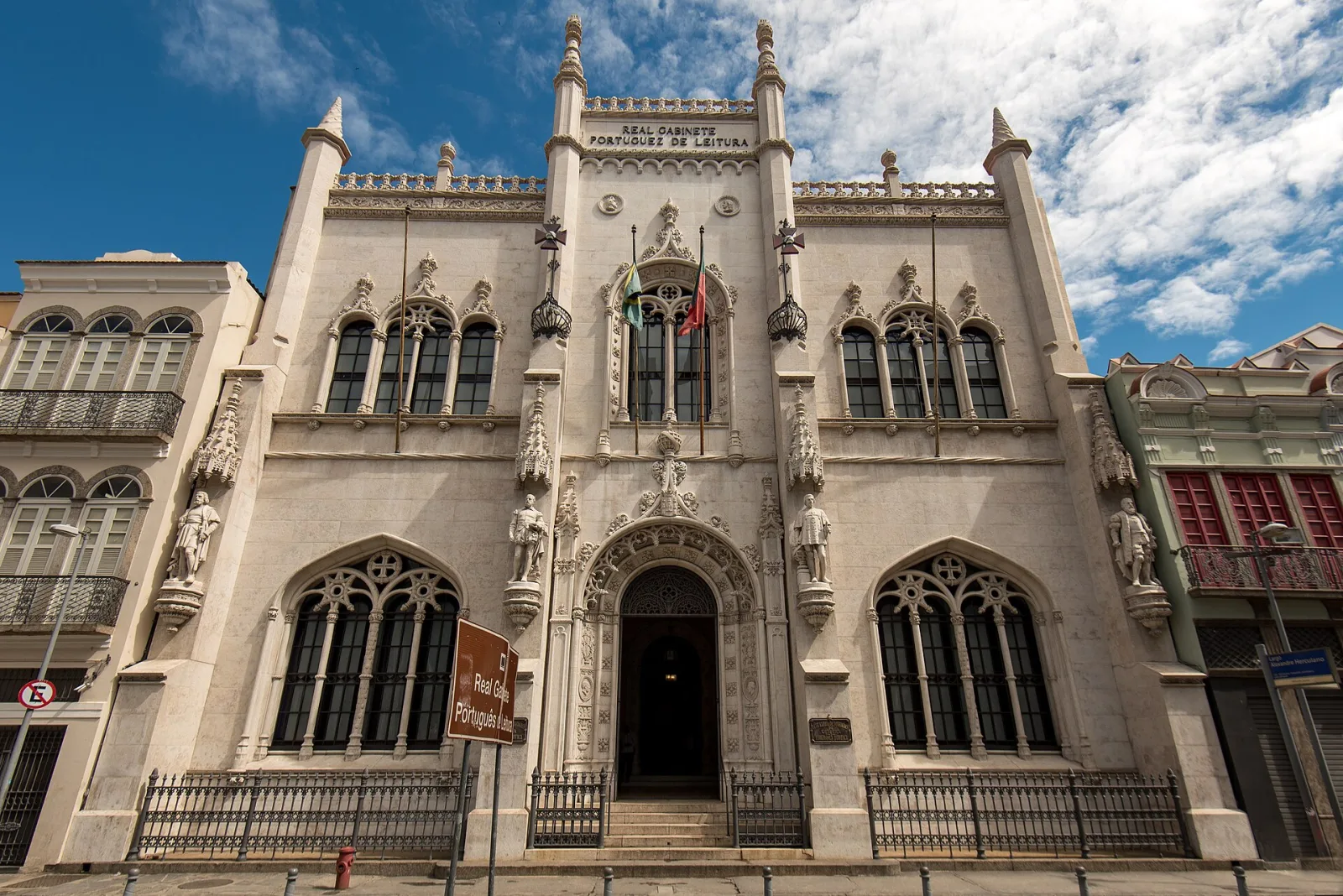
Real Gabinete Português de Leitura
The Royal Portuguese Cabinet of Reading holds the largest collection of Portuguese literature outside Portugal, and Time magazine once ranked it the fourth most beautiful library in the world.
CRAB — Brazilian Handicraft Reference Center
CRAB — Brazilian Handicraft Reference Center is in Centro, about 5 minutes on foot from the studio.
AquaRio
AquaRio is in Saúde, a transit ride from the studio.
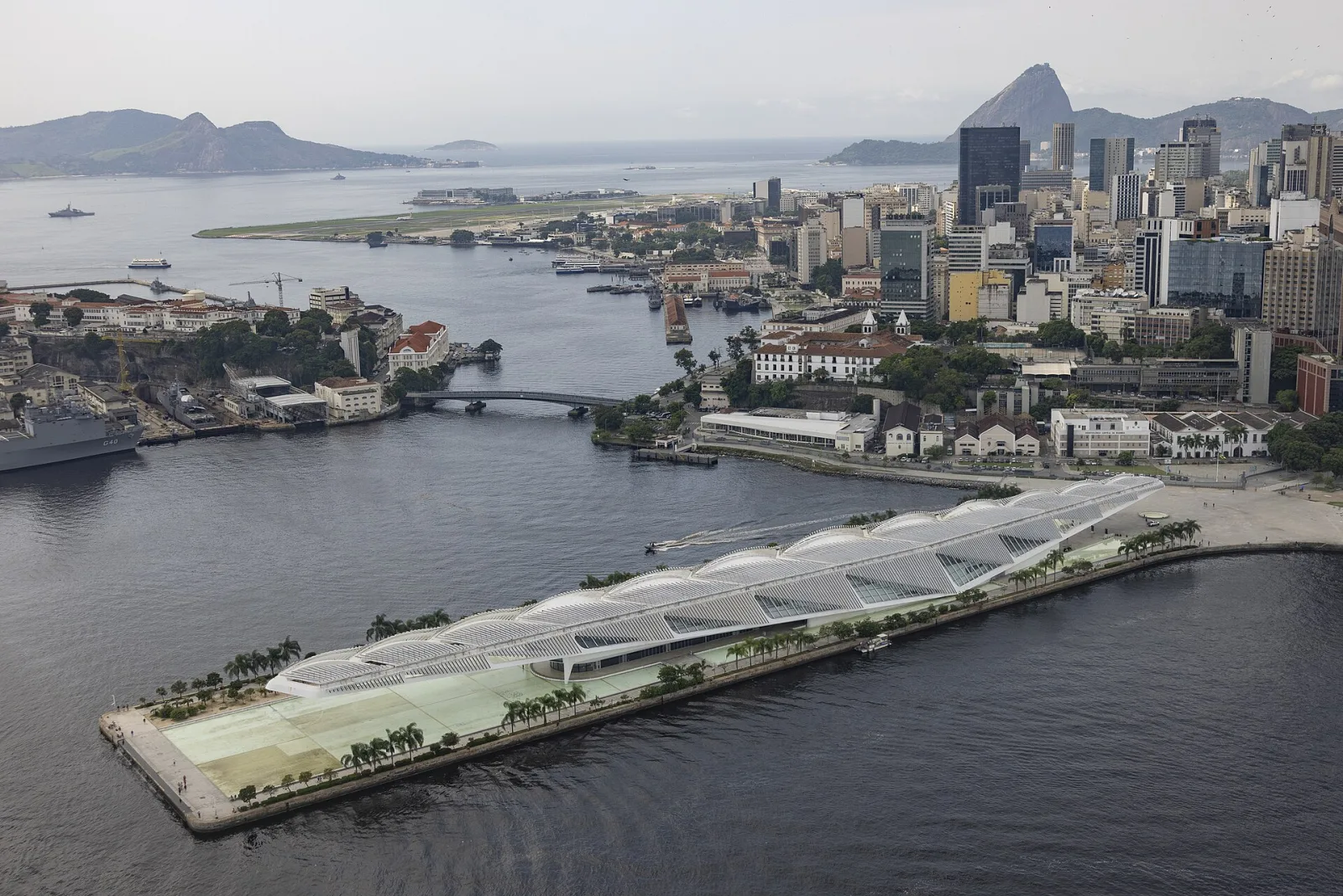
Museu do Amanhã
The Museum of Tomorrow is a science museum on Pier Mauá designed by Spanish architect Santiago Calatrava, opened December 17, 2015 with President Dilma Rousseff in attendance.

MUHCAB
MUHCAB is in Gamboa, about 15 minutes on foot from the studio.
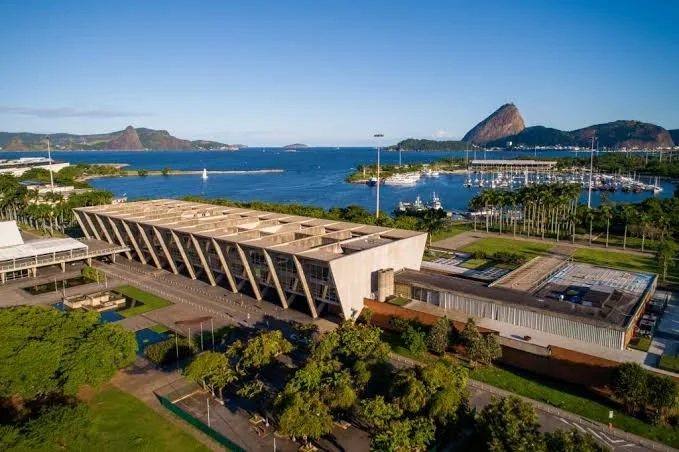
MAM Rio
MAM Rio is in Glória, about 20 minutes on foot from the studio.
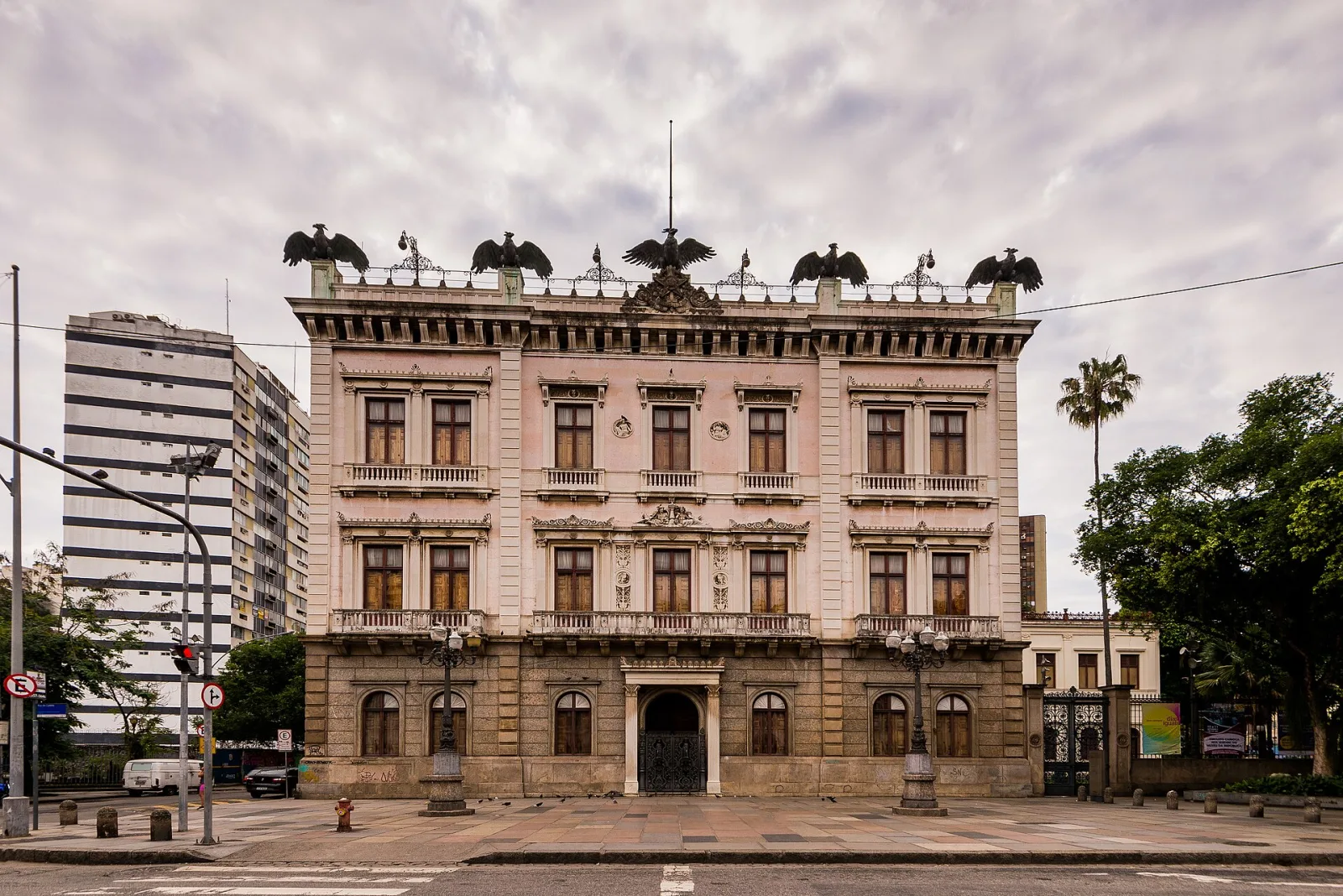
Museu da República — Palácio do Catete
The Museu da República occupies the Palácio do Catete, an urban mansion built between 1858 and 1867 that served as Brazil's presidential palace from 1897 to 1960.
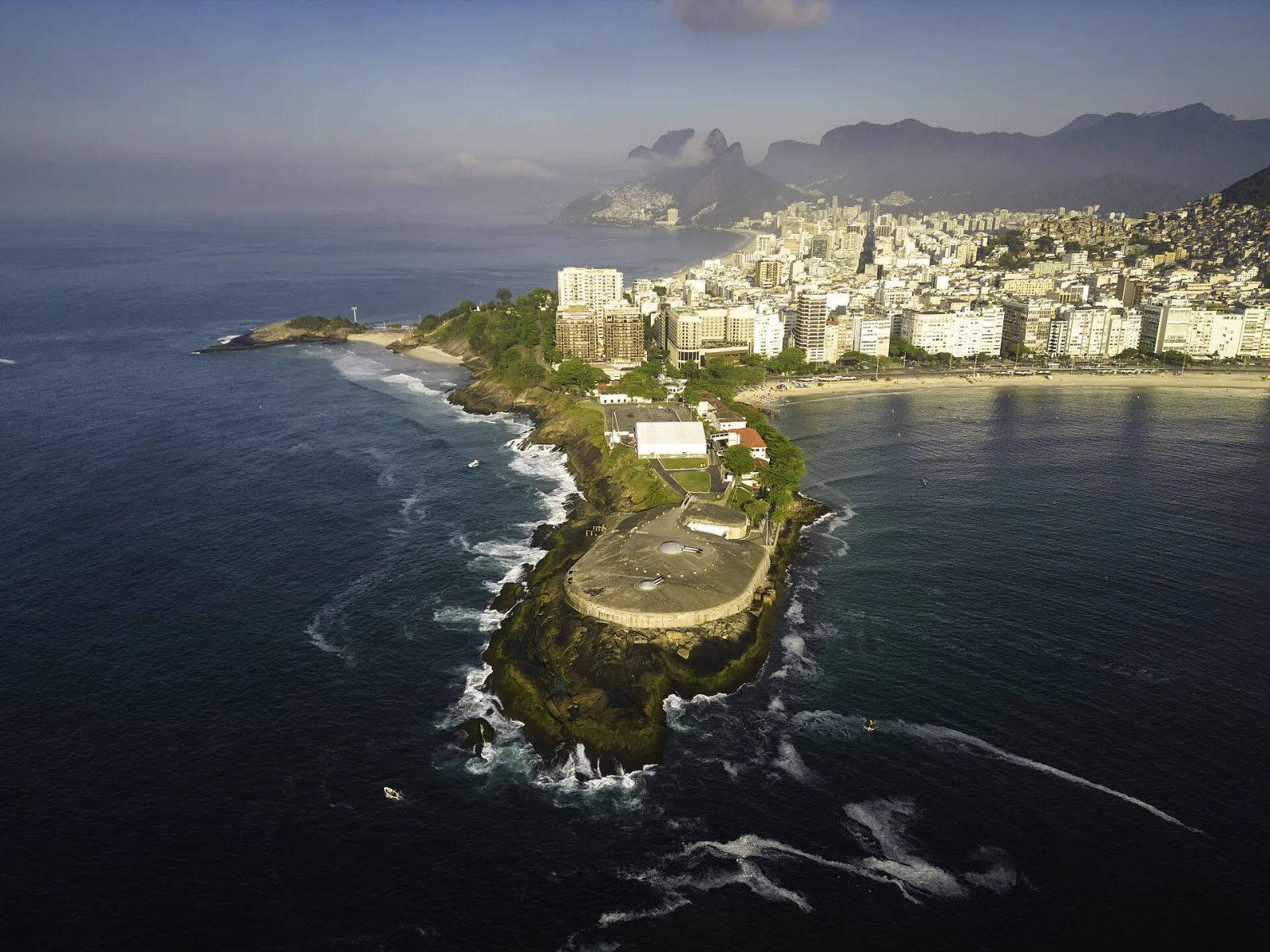
Forte de Copacabana
Fort Copacabana sits at the southern tip of the beach, open to the public as the Army Historical Museum alongside the working coastal defense fort itself.
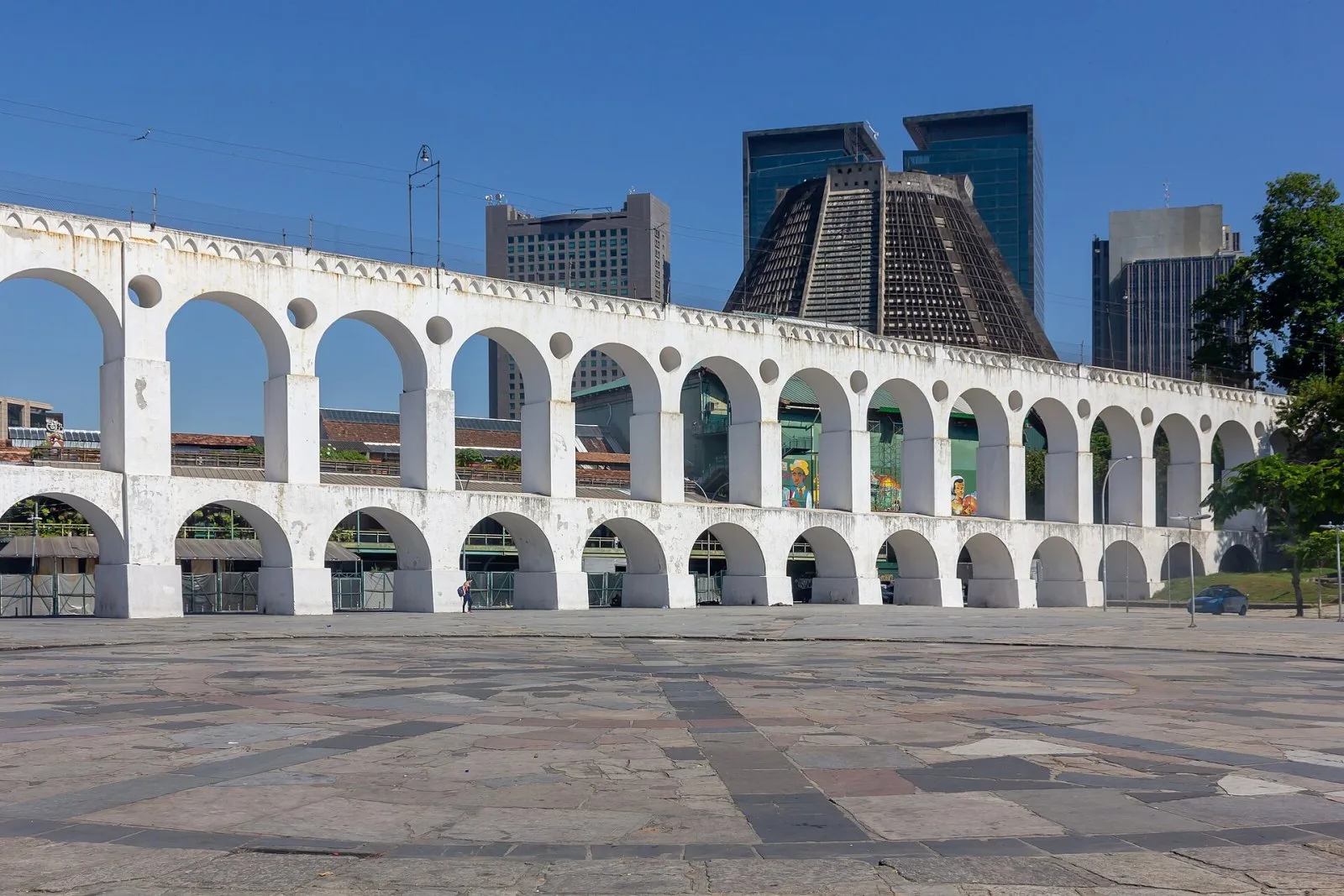
Arcos da Lapa
The Carioca Aqueduct, popularly known as Arcos da Lapa, is a striking 18th‑century stone structure that once carried water to Rio’s residents.
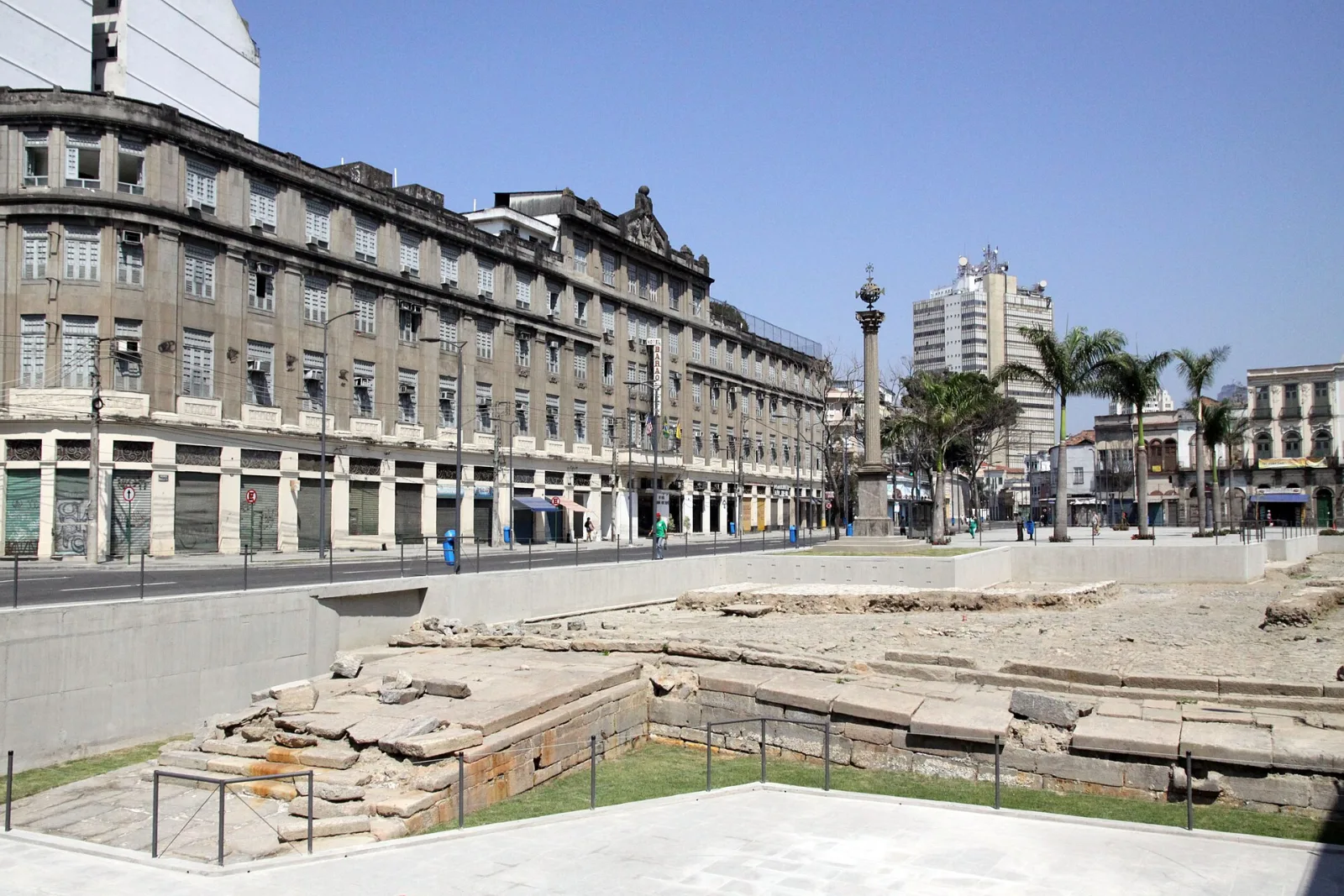
Cais do Valongo
The Valongo Wharf was built in 1811 and served as the landing site for enslaved Africans until 1831, making it a UNESCO World Heritage site recognized in 2017.
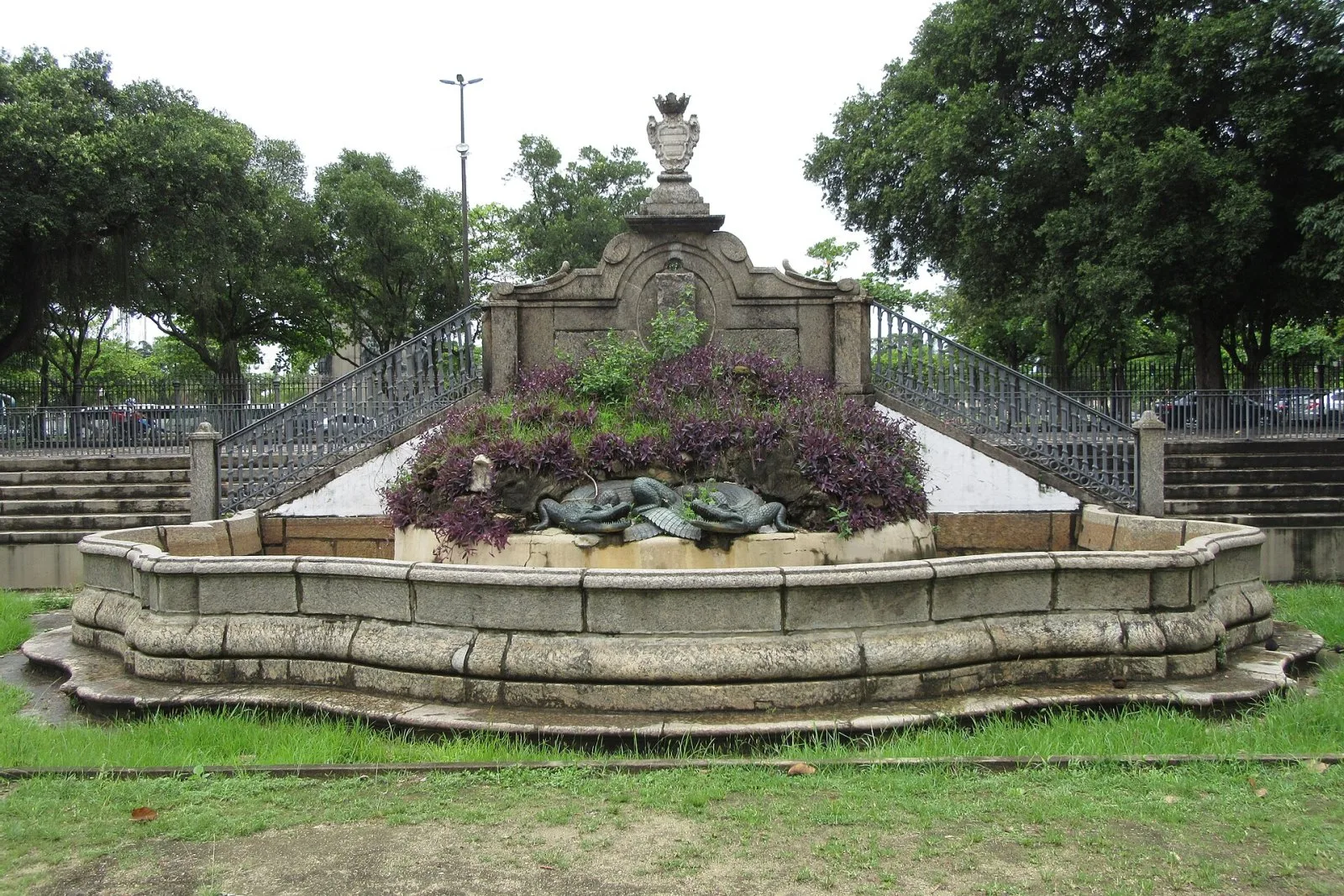
Chafariz dos Jacarés
Chafariz dos Jacarés is in Centro, about 15 minutes on foot from the studio.
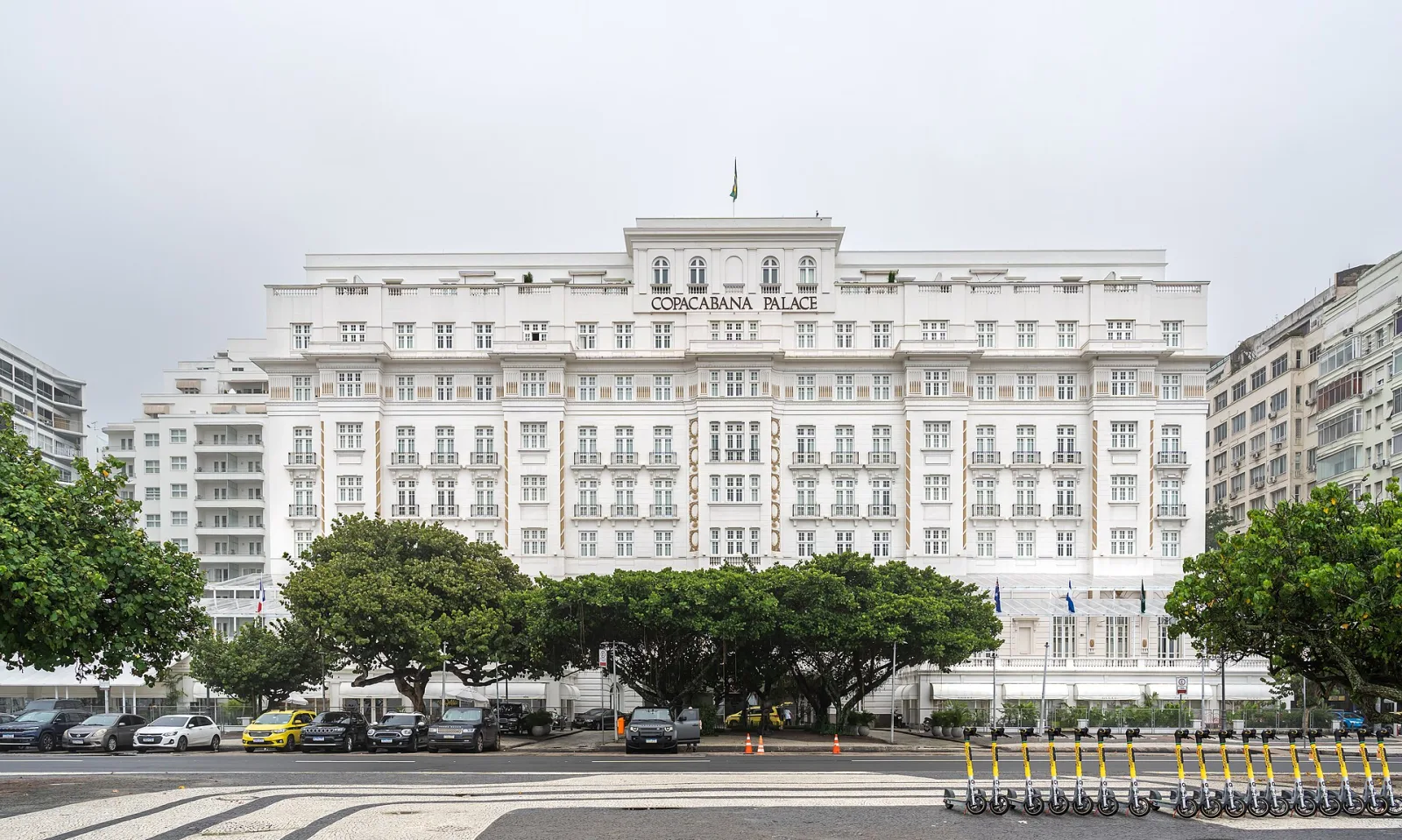
Copacabana Palace
The Copacabana Palace is a historic luxury hotel facing Copacabana beach, designed by French architect Joseph Gire and opened on August 13, 1923.
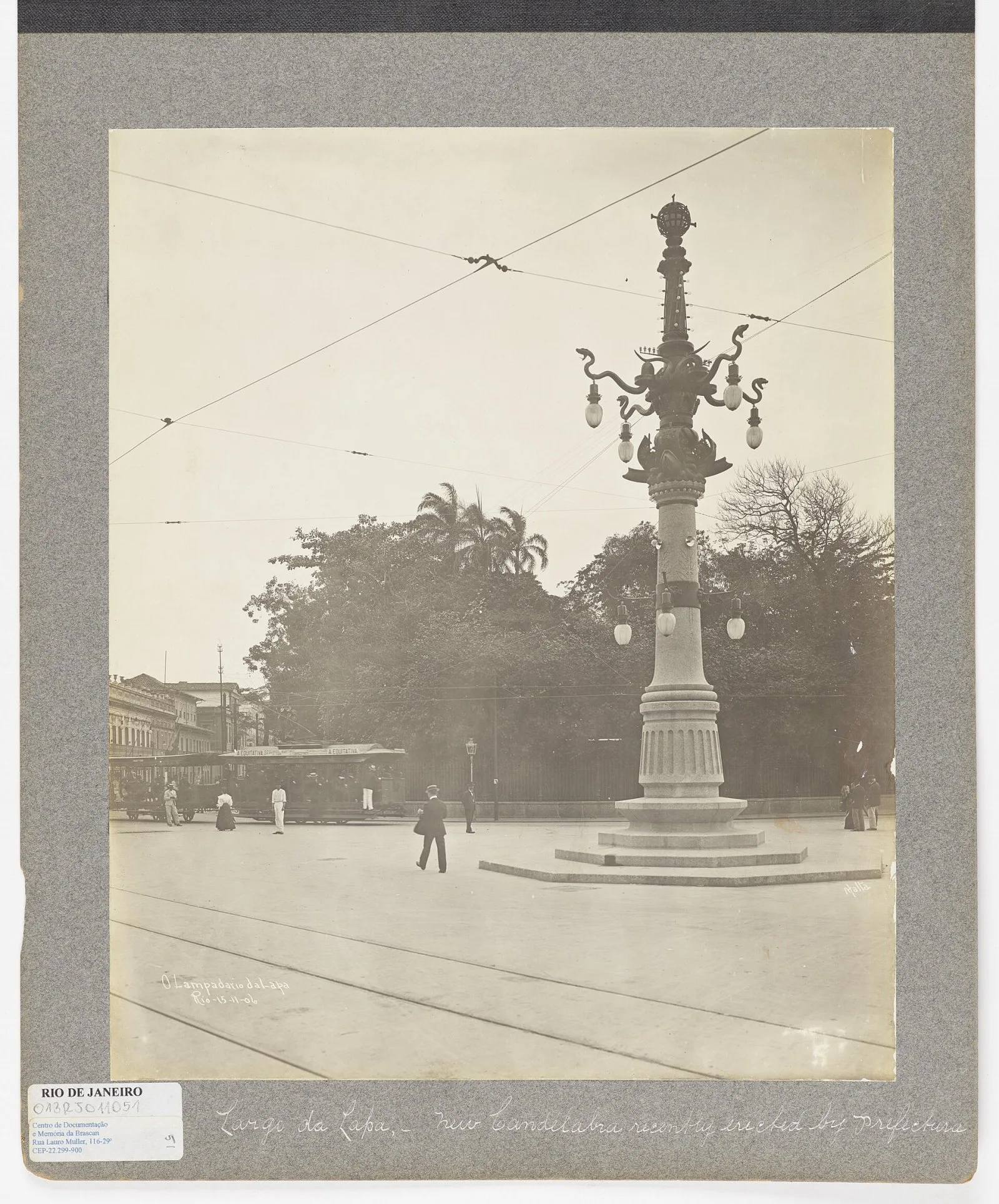
Lampadário Monumental da Lapa
Lampadário Monumental da Lapa is in Lapa, about 10 minutes on foot from the studio.
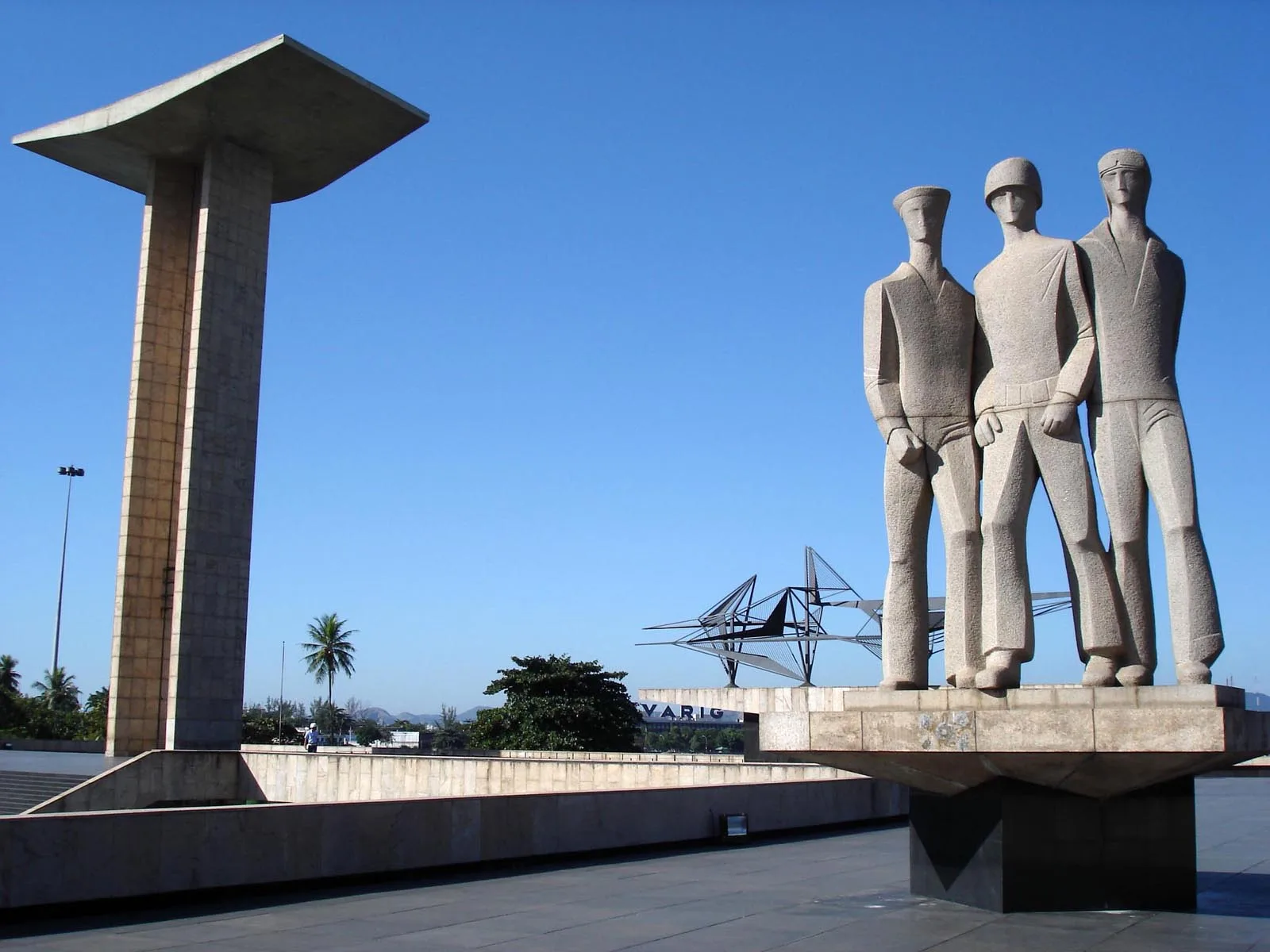
Monumento aos Mortos da Segunda Guerra
The National Monument to the Dead of the Second World War, popularly known as Monumento aos Pracinhas, stands in Parque Eduardo Gomes.
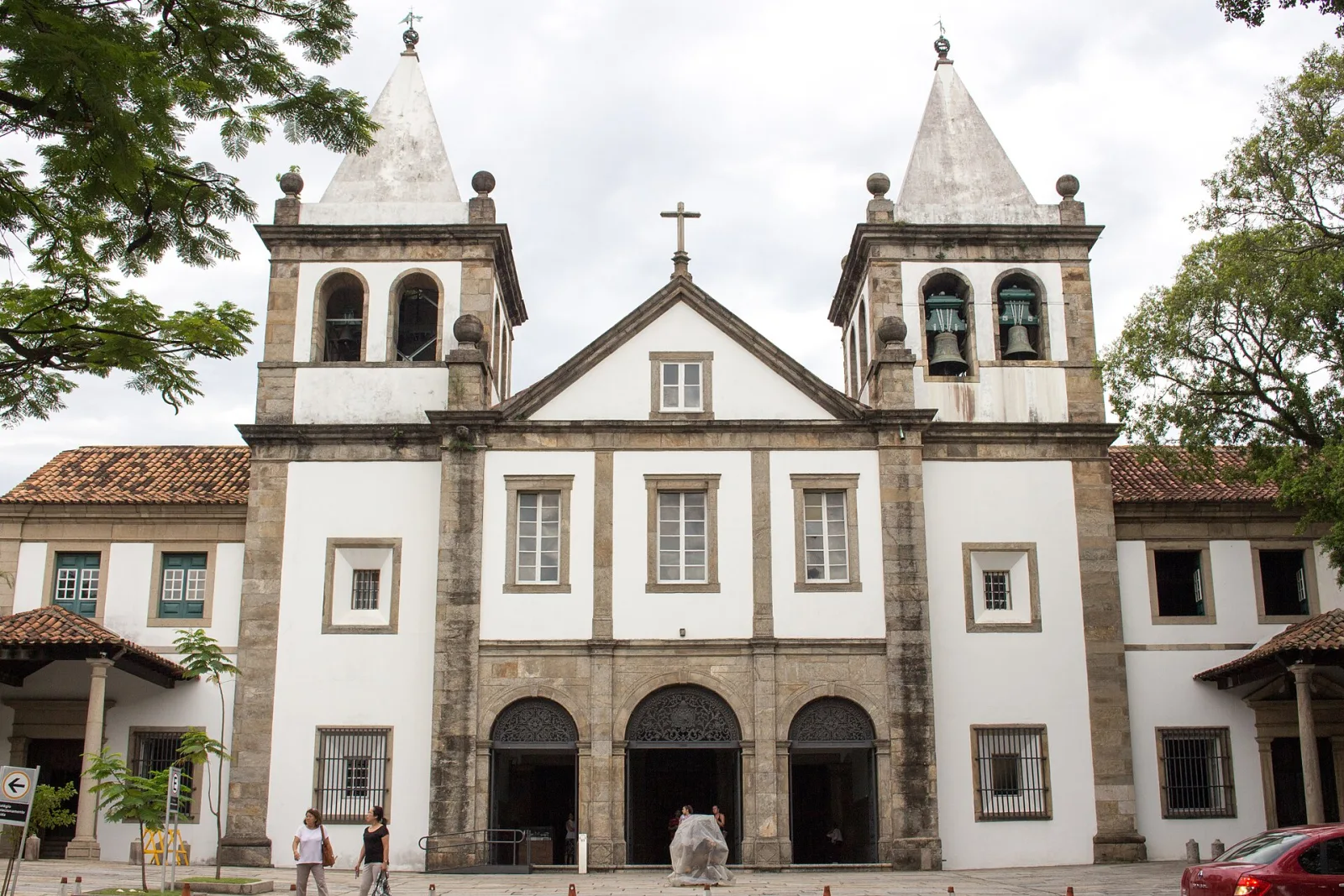
Mosteiro de São Bento
The Mosteiro de São Bento is a Benedictine abbey on its own hill downtown, founded by monks who arrived from Bahia in 1590.
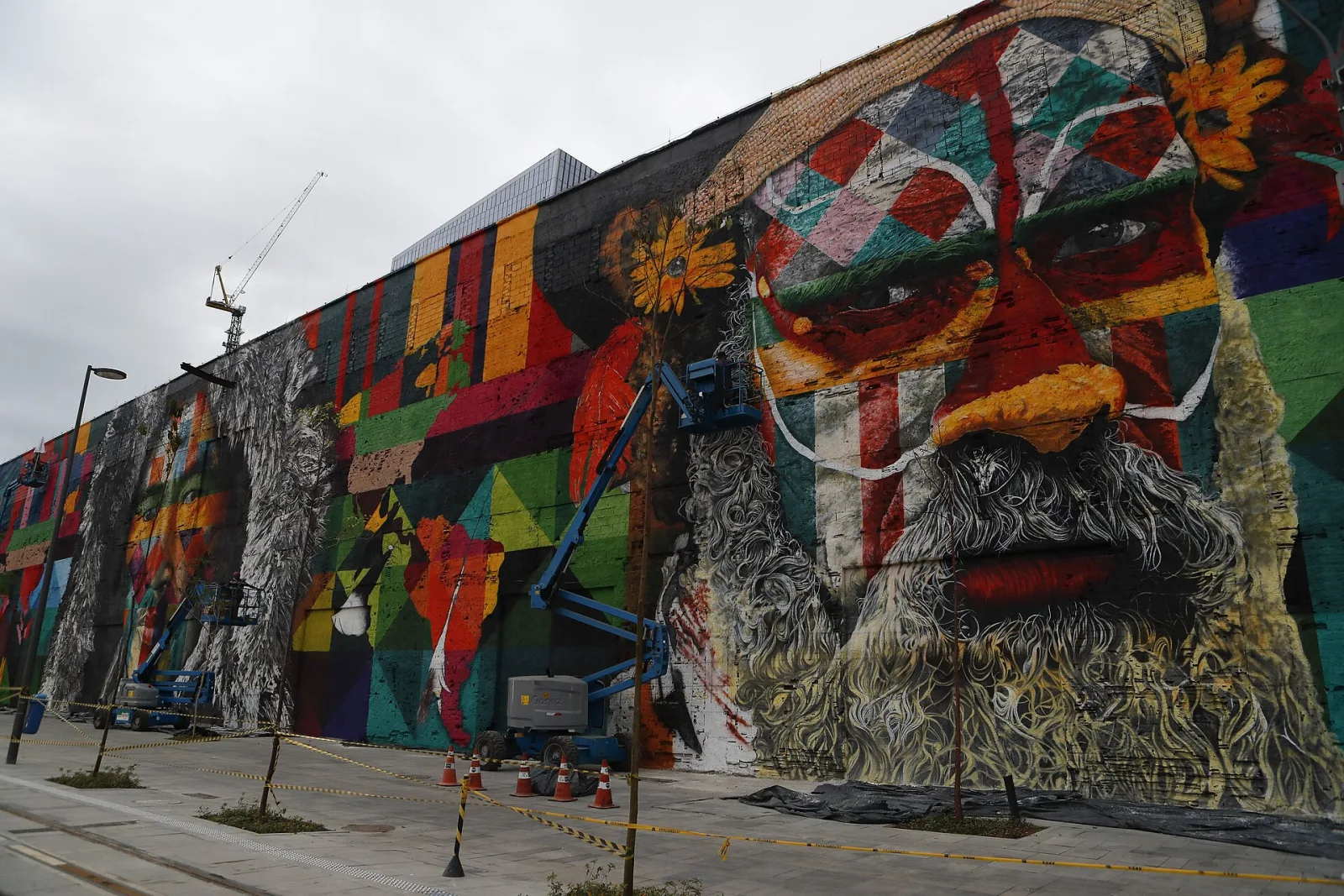
Mural Etnias
Mural Etnias, titled "Todos somos um" (We are all one), is a 15-meter-tall, 170-meter-long panel painted by artist Eduardo Kobra on a former warehouse for the 2016 Olympics.
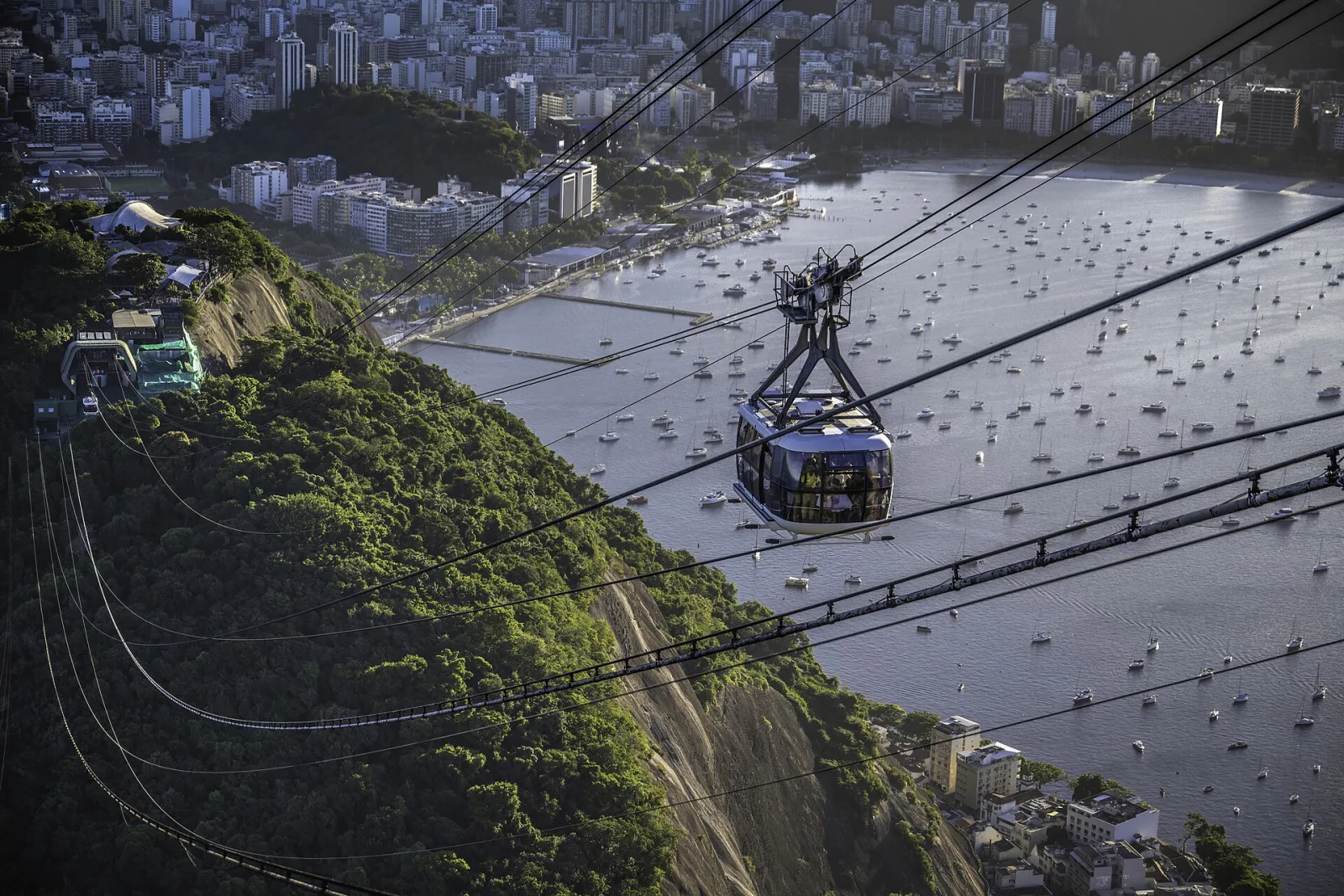
Parque Bondinho Pão de Açúcar
The Sugarloaf cable car has linked Praia Vermelha to Morro da Urca and the peak of Pão de Açúcar since its first stretch opened on October 27, 1912.
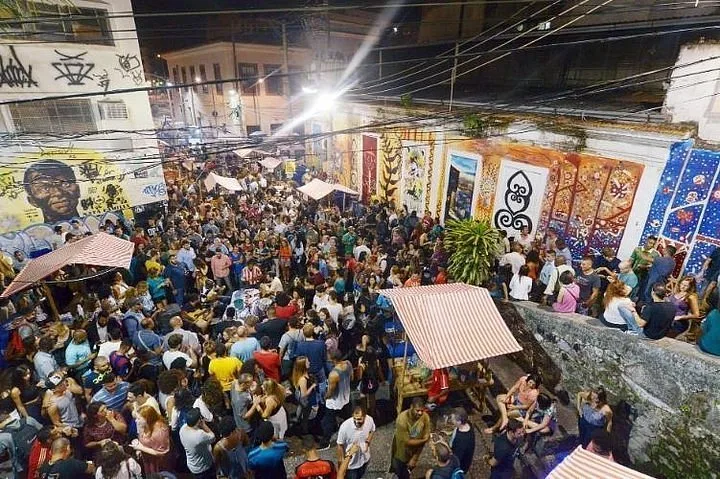
Pedra do Sal
Pedra do Sal is in Saúde, about 20 minutes on foot from the studio.
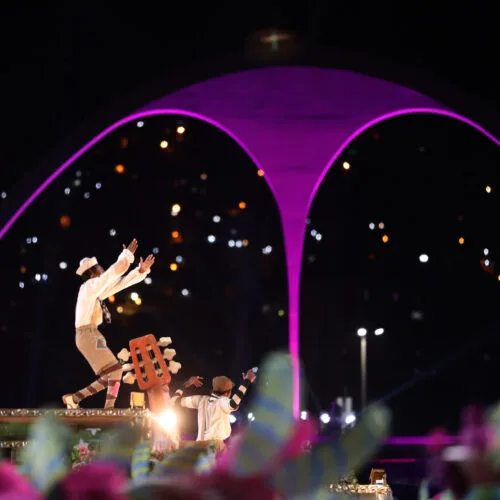
Sambódromo
Sambódromo is in Cidade Nova, about 20 minutes on foot from the studio.
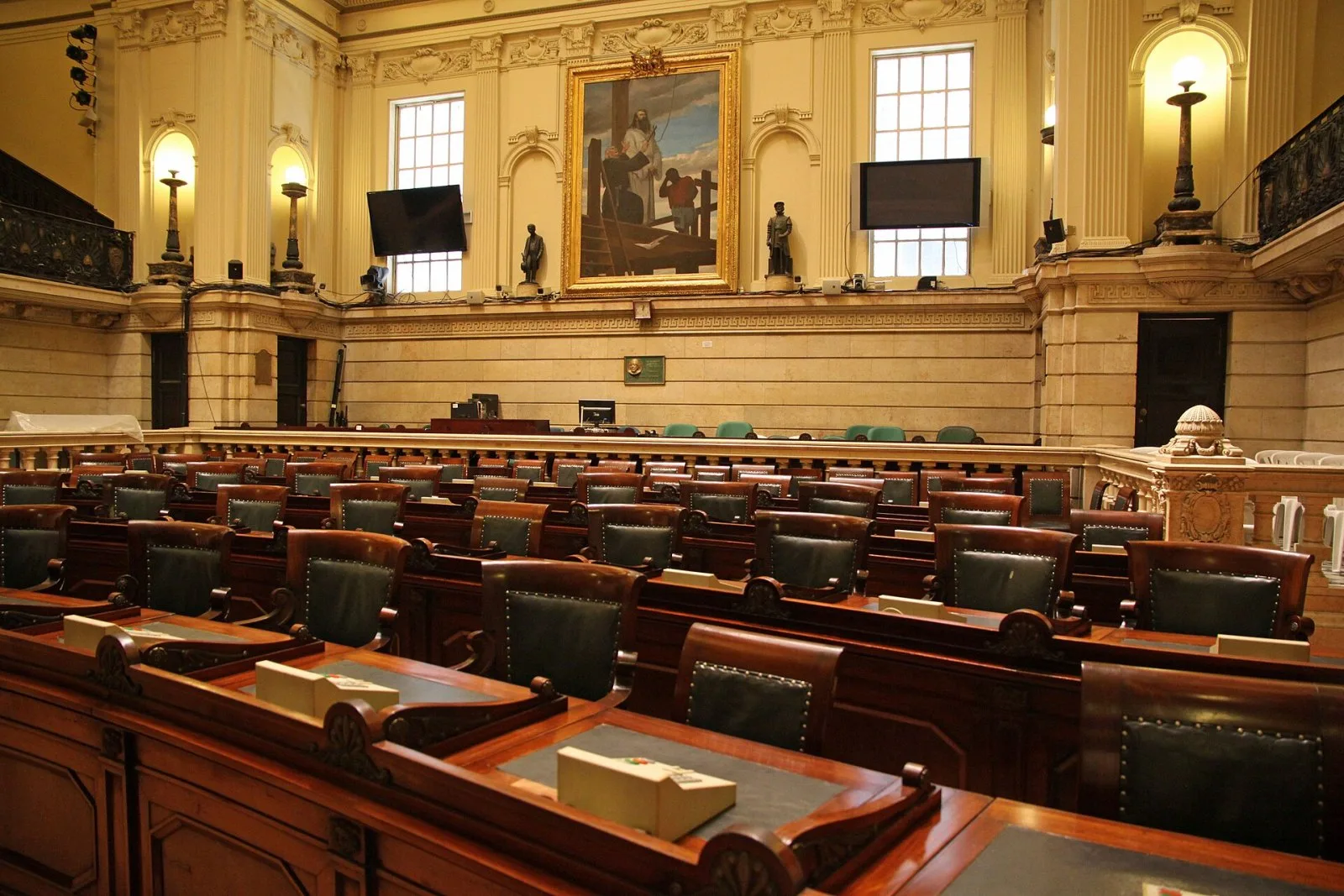
Câmara Municipal do Rio de Janeiro
The Municipal Chamber is Rio de Janeiro's unicameral legislative body, founded by Portuguese colonists in 1565.

Casa da Ciência da UFRJ
Casa da Ciência is a science-outreach unit of the Federal University of Rio de Janeiro, on Rua Lauro Müller in Botafogo.
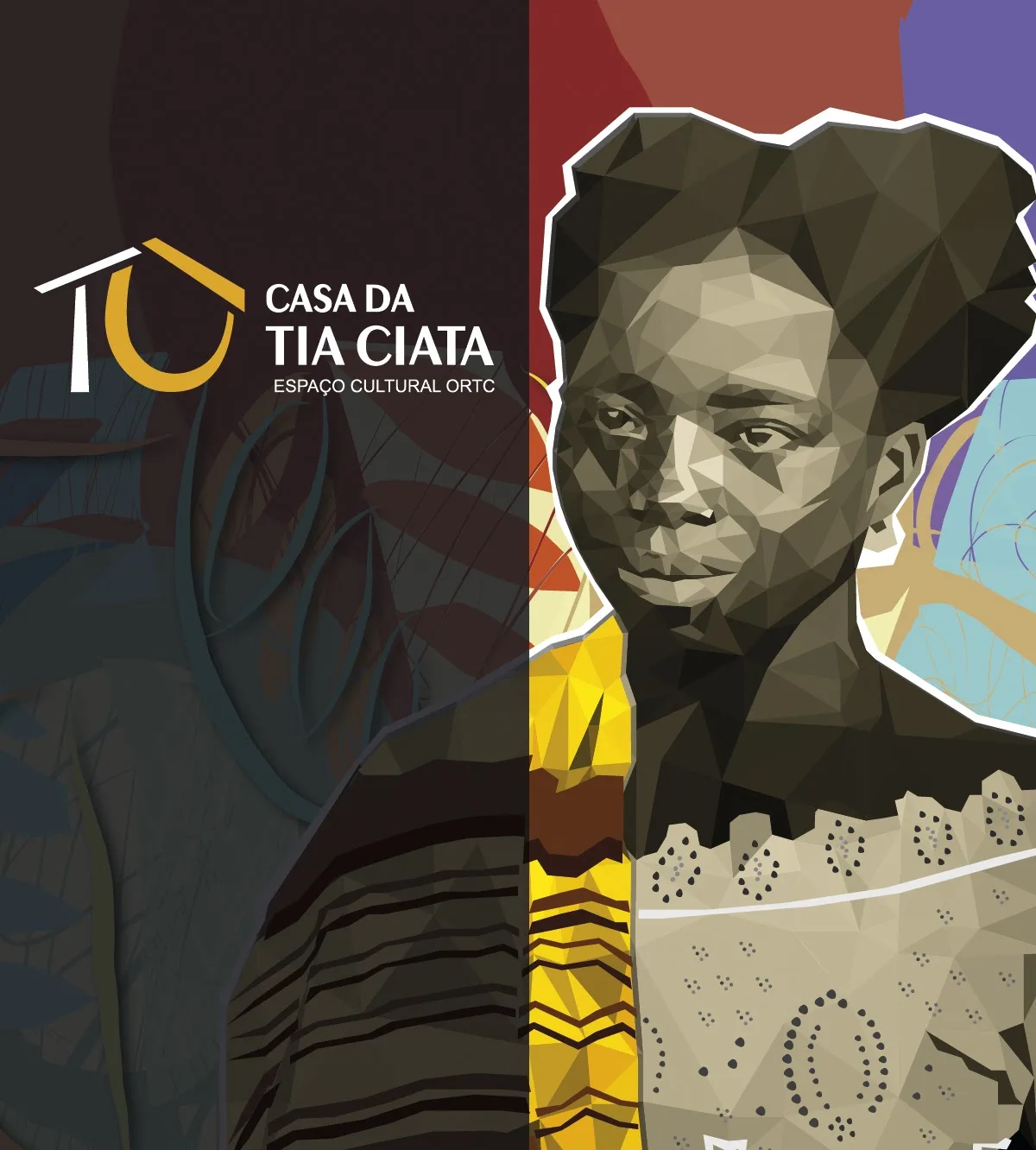
Casa da Tia Ciata
This site marks the home of Tia Ciata (1854–1924), a samba pioneer, candomblé priestess, and one of the most influential figures in the birth of Rio's samba.
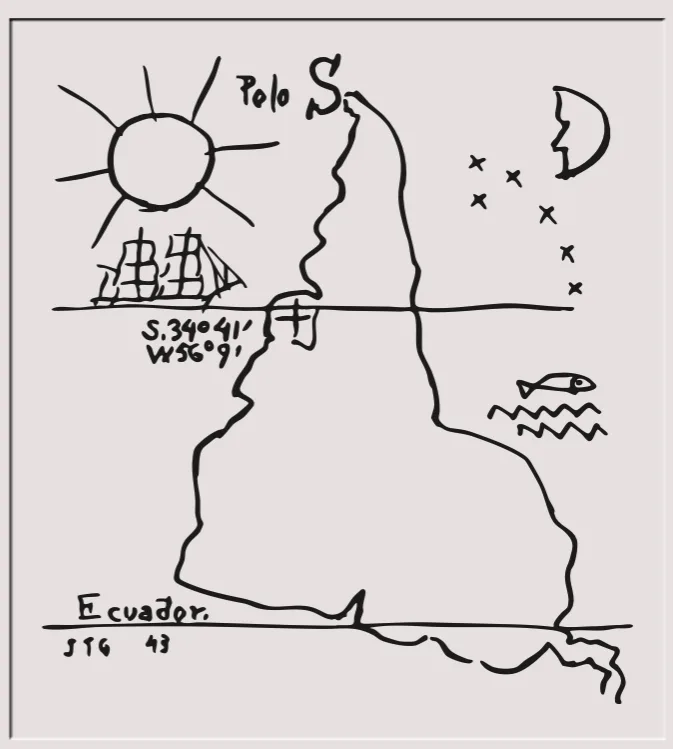
CCBB Rio
CCBB Rio is in Centro, about 20 minutes on foot from the studio.
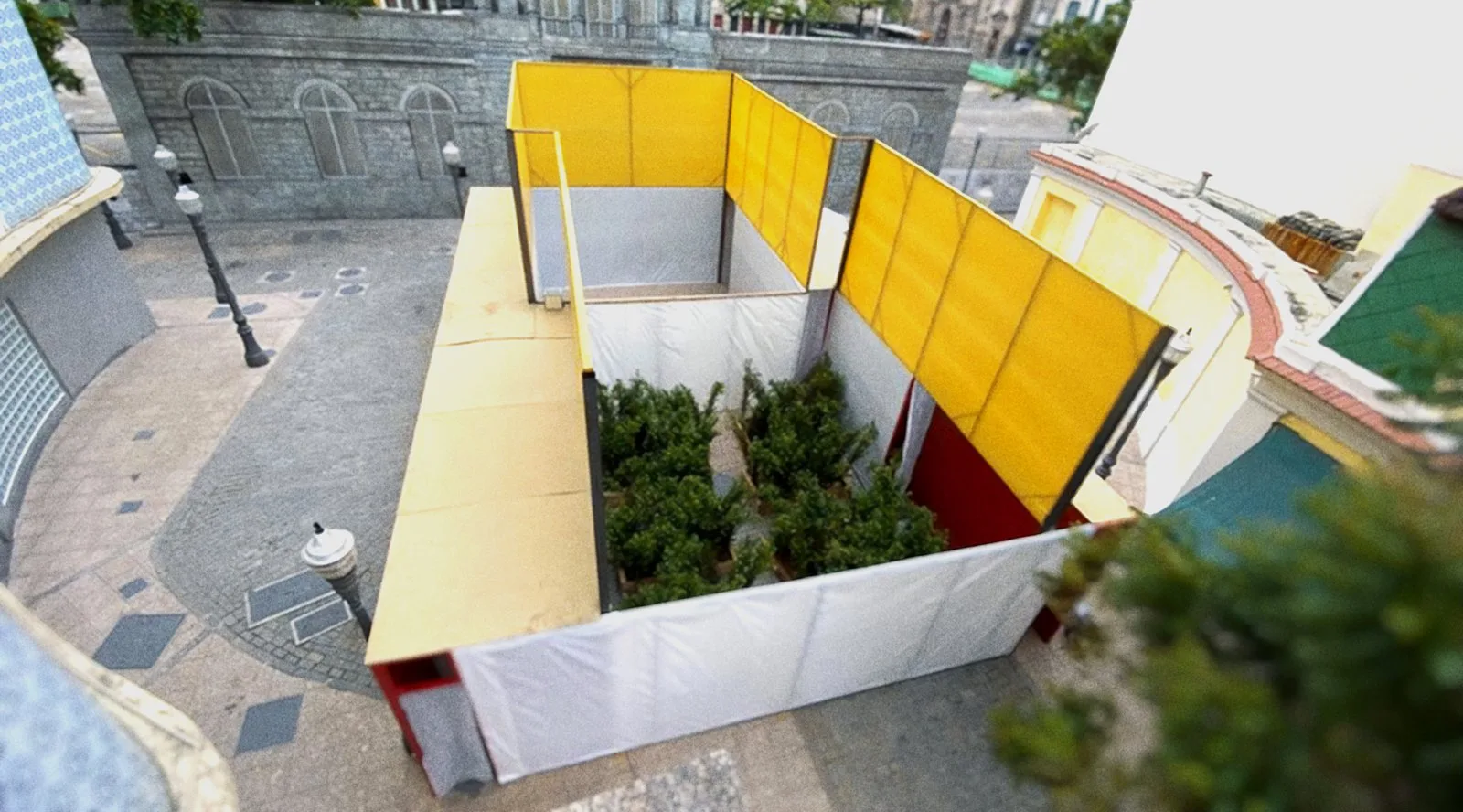
Centro Municipal de Arte Hélio Oiticica
This center carries the name of Hélio Oiticica (1937–1980), a painter, sculptor, and performance artist considered one of the great figures in Brazilian art history.
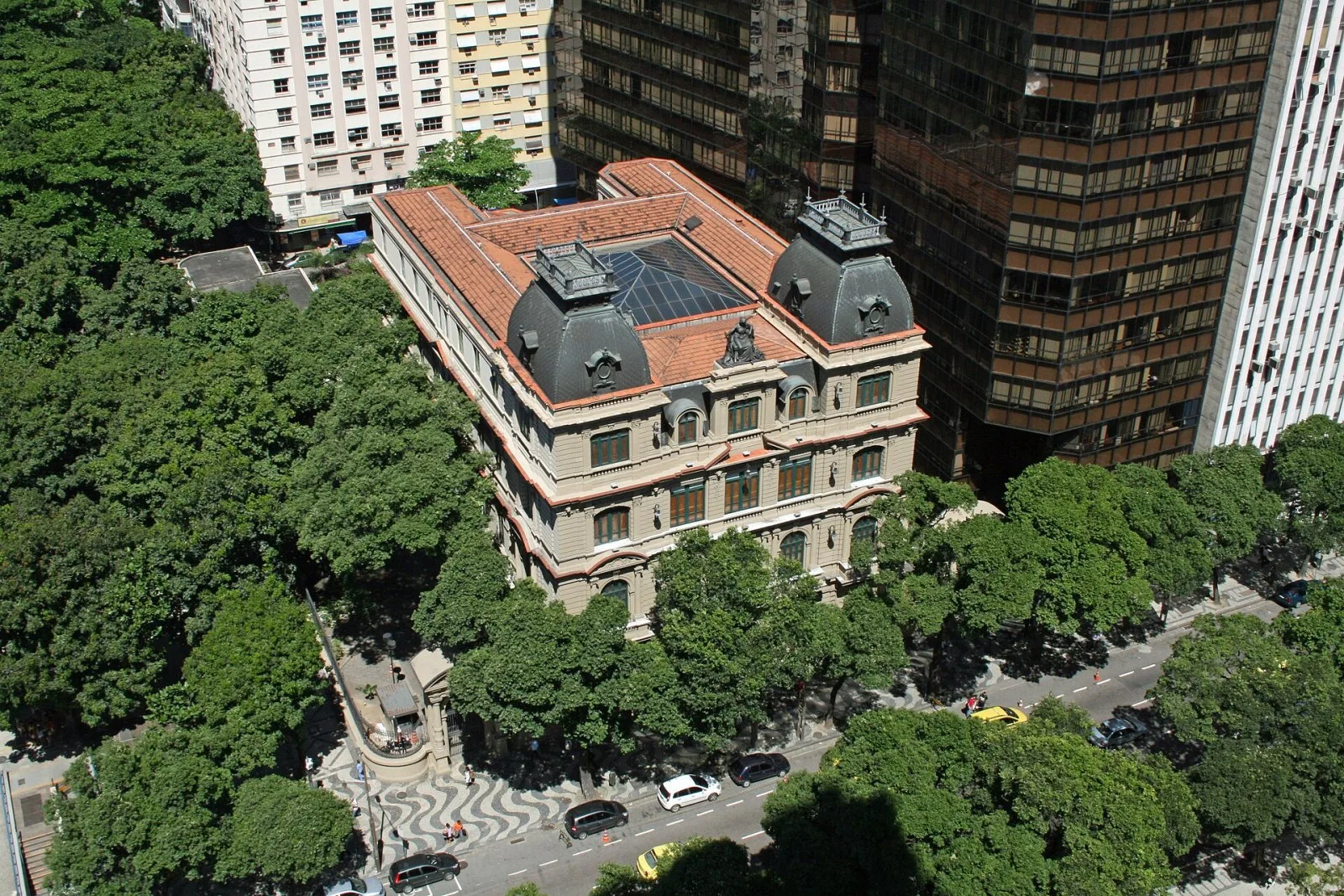
Centro Cultural Justiça Federal
The Centro Cultural Justiça Federal occupies the former home of Brazil's Supreme Federal Court, an eclectic-style building begun in 1905 and inaugurated in 1909.
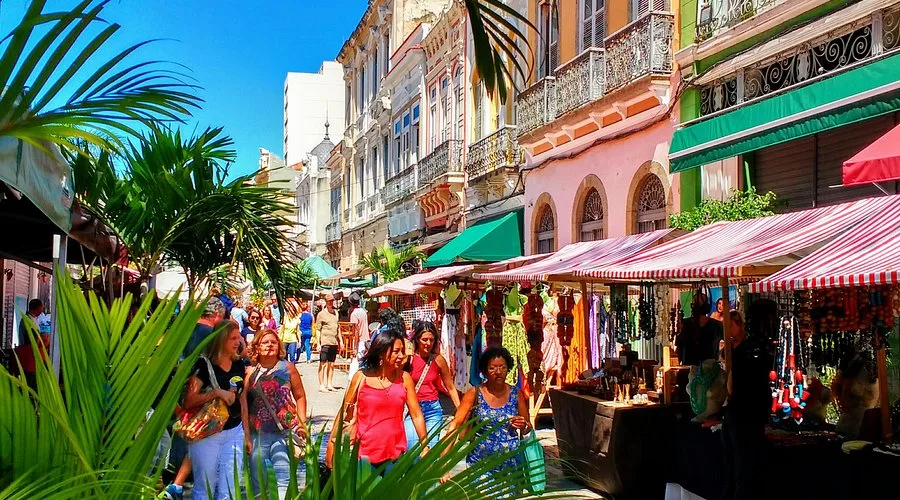
Feira do Rio Antigo
Feira do Rio Antigo is in Lapa, about 5 minutes on foot from the studio.
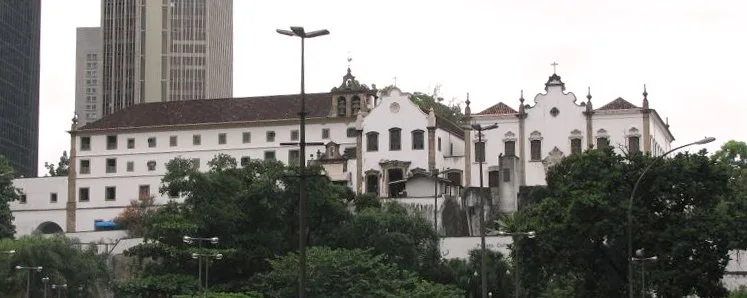
Igreja e Convento de Santo Antônio
The Convento de Santo Antônio sits atop its own hill overlooking Largo da Carioca, forming one of the oldest and most important surviving colonial ensembles in the city center.
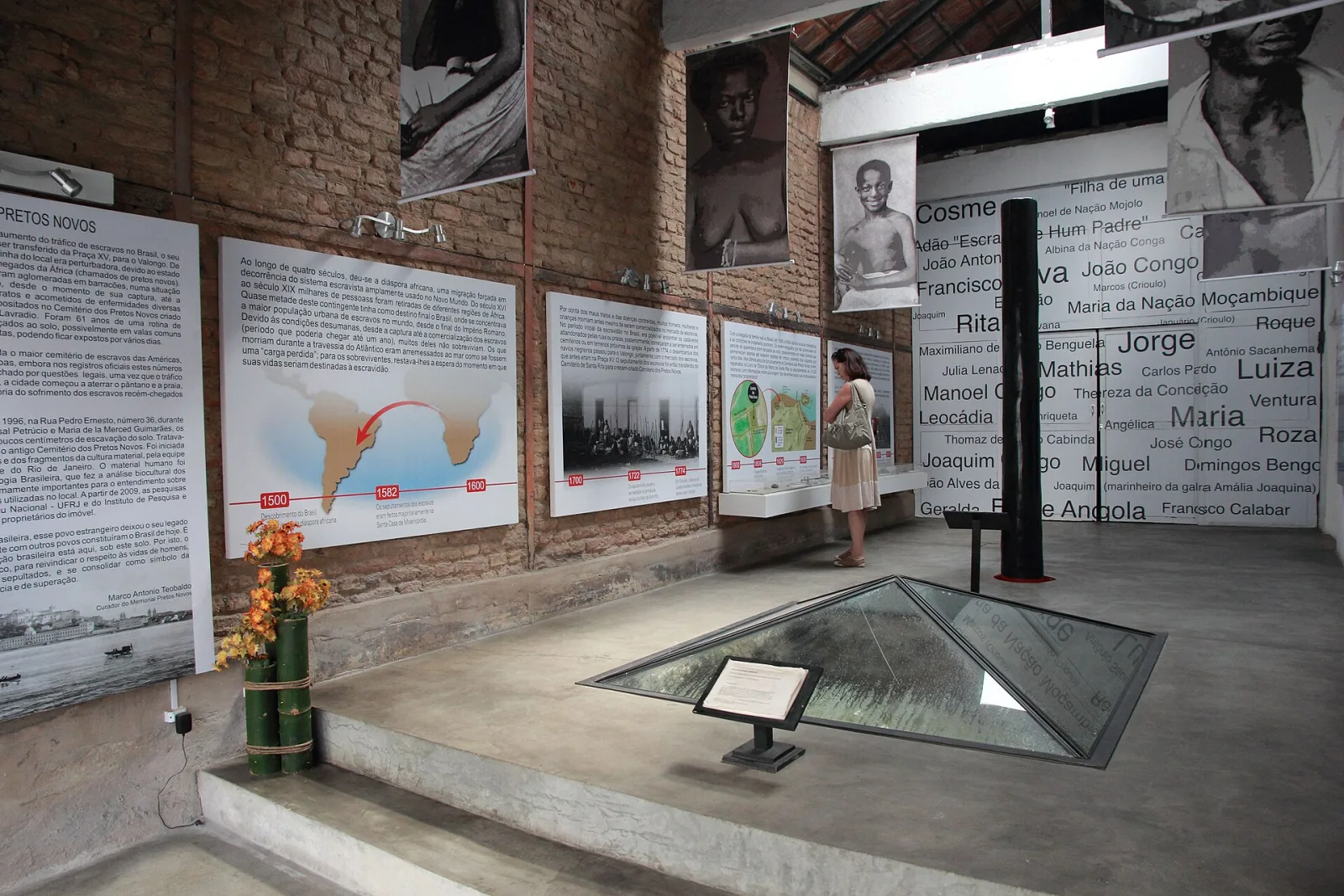
Instituto de Pesquisa e Memória Pretos Novos
The IPN grew out of an accidental find: renovating their own home on Rua Pedro Ernesto in 1996, a couple uncovered human bone fragments mixed with pottery, glass, and iron.
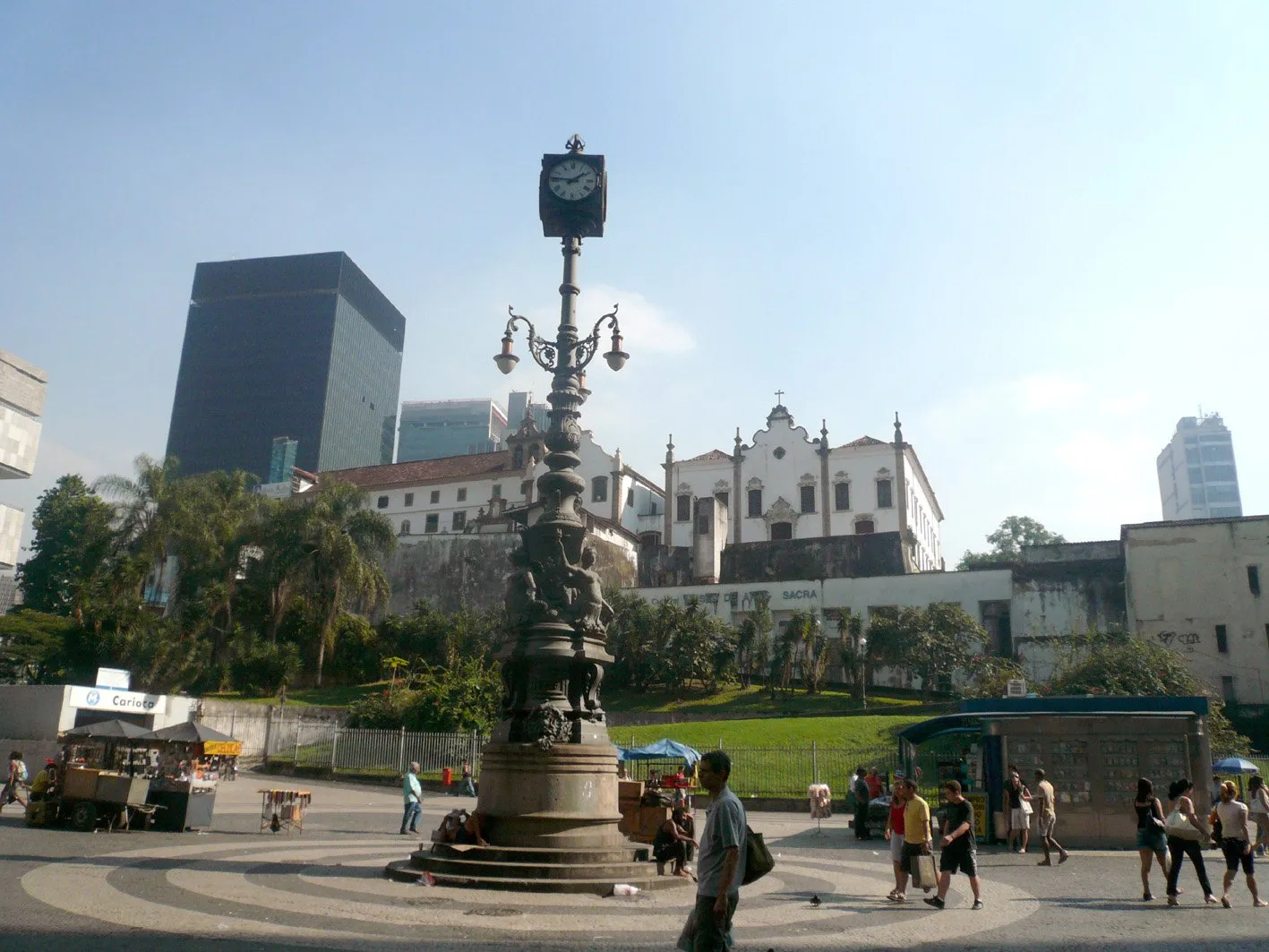
Largo da Carioca
Largo da Carioca is a wide public square filled with workers, locals, and street vendors selling every kind of product and service.
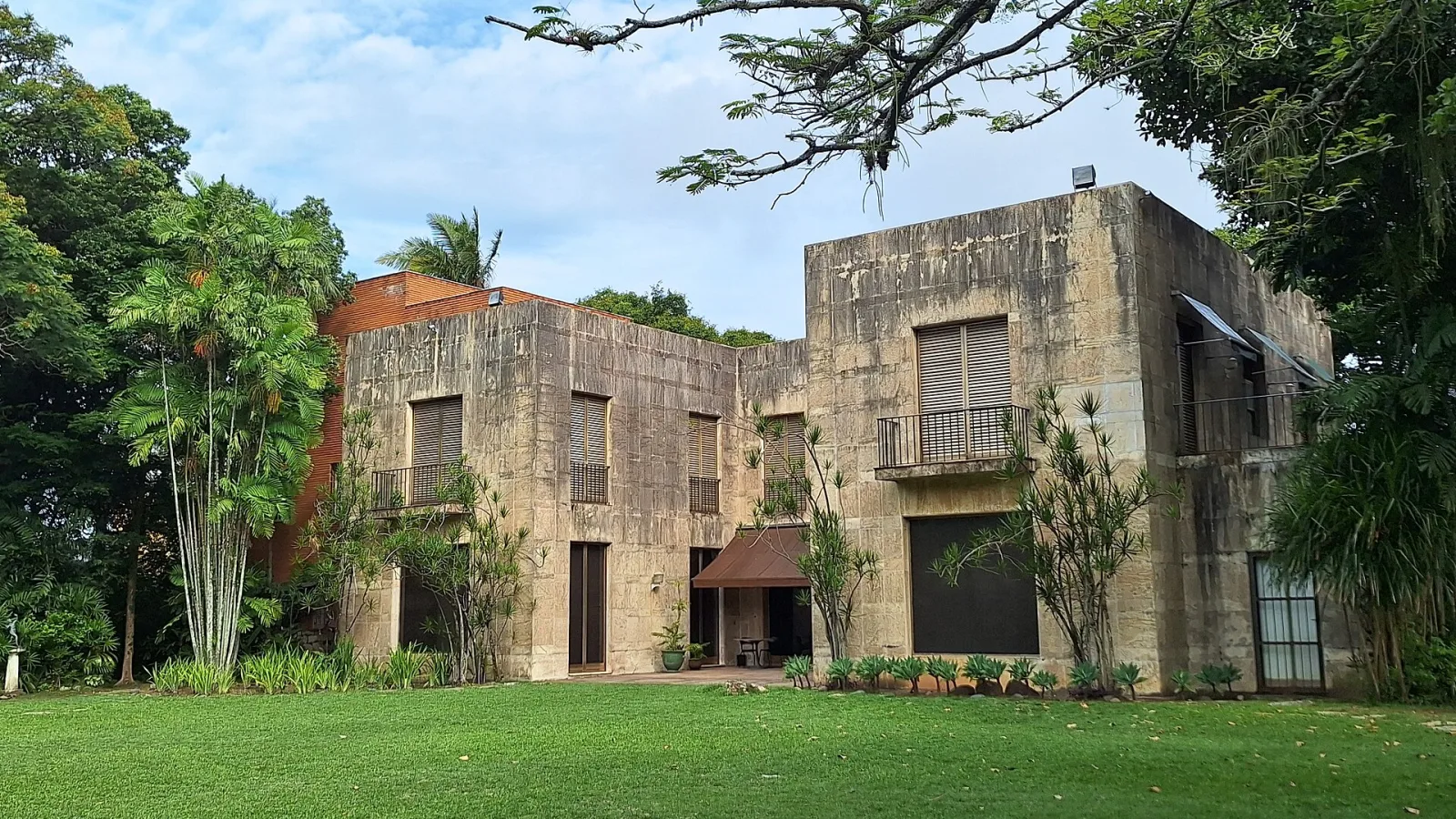
Museu da Chácara do Céu
The Museu da Chácara do Céu is an art museum in Santa Teresa, part of the Museus Castro Maya alongside the Museu do Açude.
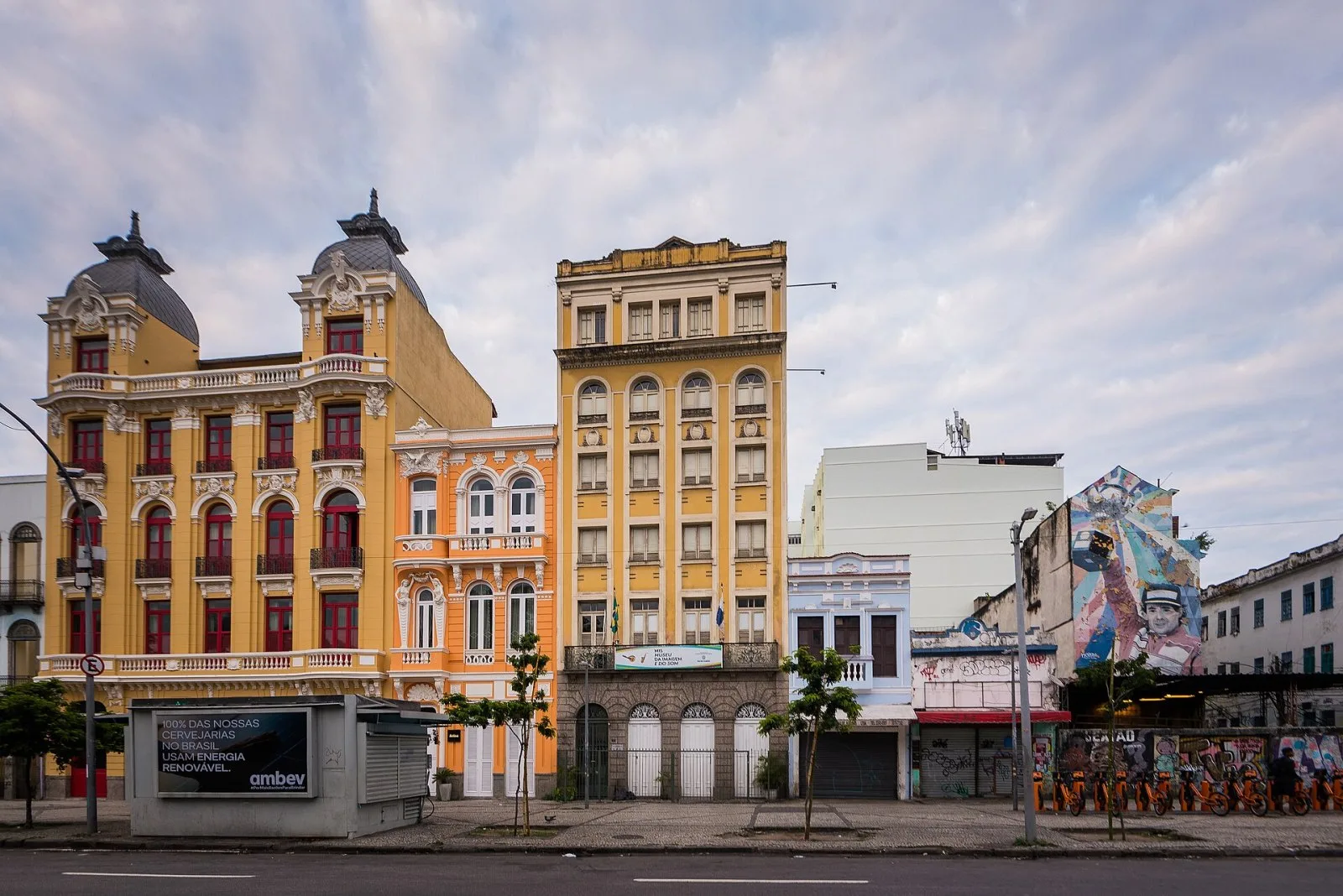
Museu da Imagem e do Som
Museu da Imagem e do Som is in Lapa, about 10 minutes on foot from the studio.
Museu Histórico do Corpo de Bombeiros
Museu Histórico do Corpo de Bombeiros is in Centro, about 5 minutes on foot from the studio.
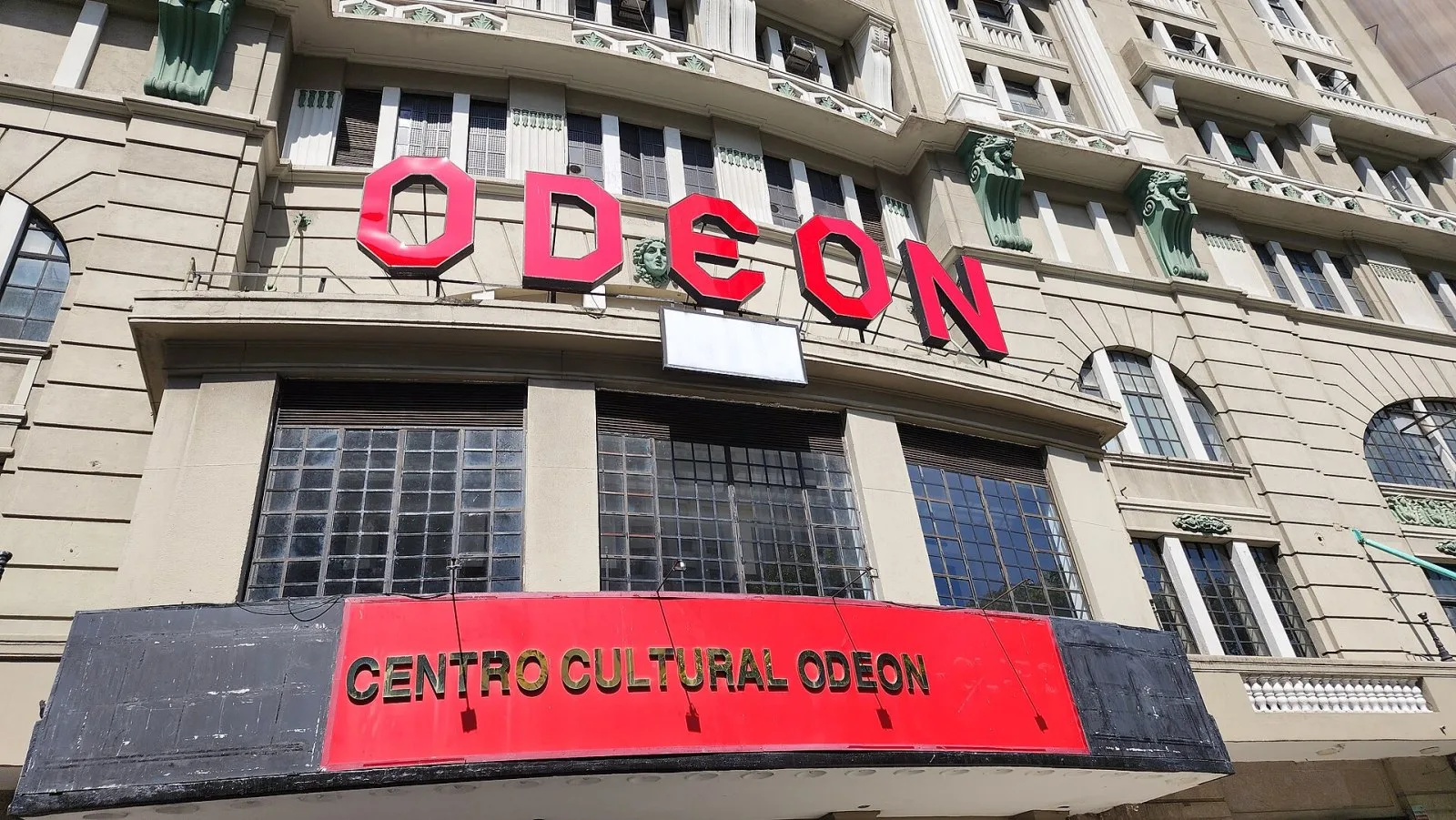
Cine Odeon
Cine Odeon is in Centro, about 10 minutes on foot from the studio.
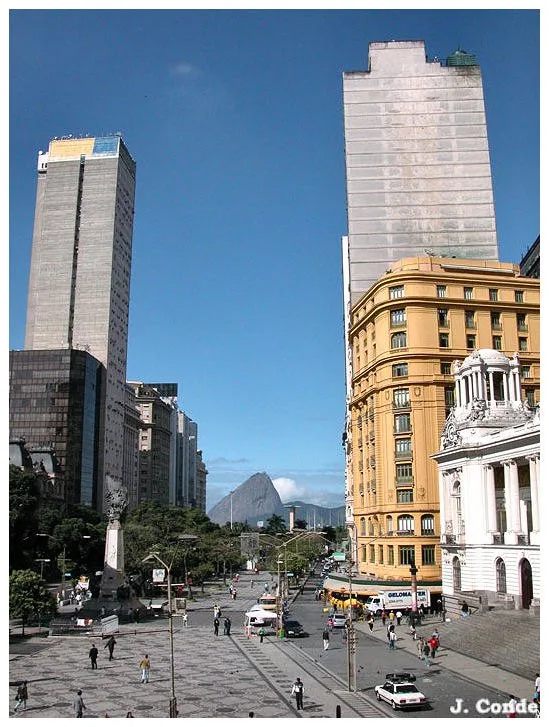
Praça Floriano Peixoto
Praça Floriano Peixoto, officially named for Brazil's second president, is the square better known by its popular nickname: Cinelândia.